Shopping Cart (0)
Close


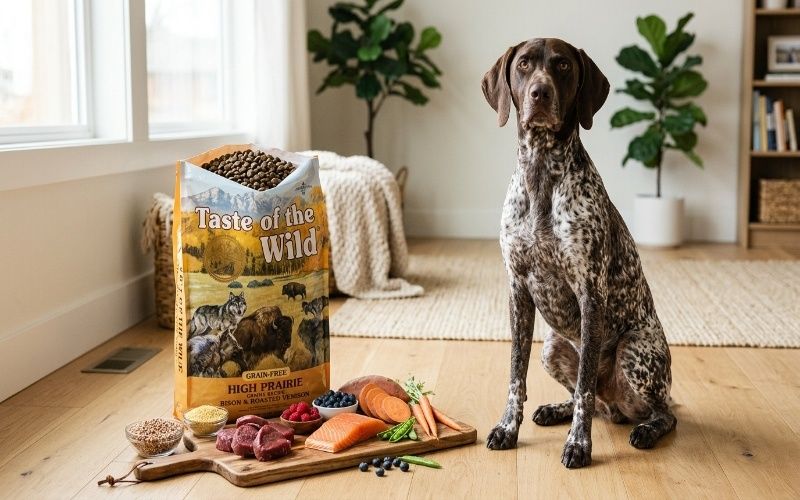
Choosing dog food isn’t always easy. There are many recipes, protein sources, and life stage options to choose from. Taste of the Wild dog food is one brand that gives dog owners several choices, including puppy food, adult recipes, grain-free food, and Ancient Grains formulas.
But having more options doesn’t always make the choice easier. A food that suits one dog may not suit another. Your dog’s age, size, activity level, weight, and food needs all matter when choosing a recipe.
If you’re looking for a Taste of the Wild dog food review, it’s worth looking beyond the brand name. The ingredients, recipe type, feeding needs, and price can all help you decide if it’s a good fit.
In this guide, we’ll look at the main Taste of the Wild options, what goes into them, how the recipes differ, and what to check before buying. We’ll also help you find the best Taste of the Wild dog food for your dog’s needs.
Taste of the Wild is a dog food brand with recipes made for different stages and needs. The range includes dry and wet food, so you can choose the type that works best for your dog. It also offers different protein sources and recipe styles, including grain-free, Ancient Grains, and PREY options.
One thing to keep in mind is that not every recipe will suit every dog. It’s better to look at the recipe itself rather than choosing food only because of the brand name.
Many Taste of the Wild dog food recipes focus on animal protein as a key part of the recipe. You can find options made with ingredients such as beef, salmon, venison, and other meat sources, depending on the formula.
The brand also gives owners more than one type of recipe. Grain-free food is available for those who prefer it, while Ancient Grains recipes include grains such as millet, sorghum, quinoa, or chia. PREY recipes take a simpler approach with fewer main ingredients. Some recipes also include added probiotics.
The range includes food for puppies and adult dogs, with recipes for different sizes and lifestyles. An active dog may have different food needs from a less active dog. The same is true for a growing puppy compared with an adult dog.
If you’re reading a Taste of the Wild dog food review, don’t look for one formula that is best for every dog. Instead, check your dog’s age, weight, activity level, and food needs. That’s the best way to choose the best Taste of the Wild dog food for your pet.
Taste of the Wild has several recipes, so you don’t have to feed the same type to every dog. The right choice depends on your dog’s age, activity level, and food needs. Some recipes are made for puppies, while others are better suited to adult dogs. You can also choose between grain-free and grain-inclusive options.
Taste of the Wild puppy food is made for growing dogs. Puppies need food that supports their fast growth and daily energy needs. The range includes recipes such as High Prairie Puppy and Pacific Stream Puppy.
High Prairie Puppy uses meat-based protein sources, while Pacific Stream Puppy is built around fish. This gives owners a choice if their puppy does better with one type of protein.
When choosing puppy food, always check the feeding guide for your puppy’s age and weight. Puppies also need regular weight checks as they grow.
Taste of the Wild adult dog food gives you more options based on protein and recipe type. Depending on the formula, you may find ingredients such as beef, salmon, venison, or other animal proteins.
Some recipes are also suitable for dogs at different life stages. This can be useful if you have more than one dog at home, but you should still check the feeding guide for each dog.
Taste of the Wild grain free dog food doesn’t contain traditional grains. Instead, these recipes use other sources of carbohydrates.
Some owners choose grain-free food because of their dog’s food preferences or needs. However, grain-free doesn’t automatically mean better. Dogs can do well on both grain-free and grain-inclusive food, depending on the recipe and their individual needs.
Ancient Grains recipes offer another choice for owners who don’t want a grain-free diet. These recipes can include grains such as sorghum and millet, along with ingredients such as quinoa and chia.
The main difference is simple. Grain-free recipes leave out traditional grains, while Ancient Grains recipes include selected grains. Neither option is automatically right for every dog.
PREY recipes take a simpler approach. They focus on a smaller number of main ingredients and animal protein. This may appeal to owners who prefer a more straightforward recipe.
The key is to check the full ingredient list and choose a food that matches your dog’s needs.
| Recipe type | Main purpose | Suitable for |
|---|---|---|
| Puppy | Growth and development | Puppies |
| Adult | Adult maintenance | Adult dogs |
| Grain-Free | Grain-free recipe | Dogs suited to the formula |
| Ancient Grains | Grain-inclusive option | Dogs suited to the formula |
| PREY | Simpler ingredient approach | Dogs suited to limited-ingredient recipes |
When you’re choosing dog food the ingredient list is one of the first things worth checking. It tells you what you’re actually feeding your dog. Taste of the Wild dog food ingredients can vary from one recipe to another, so it’s important to check the label of the exact product you’re buying.
The range includes different meat and fish sources, along with plant ingredients, vitamins, minerals, and other nutrients. This gives you more choice, but it also means you shouldn’t judge every recipe in the same way.
Protein is an important part of a dog’s diet. Taste of the Wild uses different animal protein sources across its recipes. Depending on the formula, you may find bison, venison, salmon, fowl, beef, or other meat and fish ingredients.
For example, a salmon-based recipe may be a good option for an owner who prefers fish as the main protein source. Another dog may do better with a recipe based on beef or another protein.
It’s worth checking the full label rather than choosing food based only on the name of the meat.
Taste of the Wild dog food ingredients aren’t limited to meat. Recipes can also include vegetables, fruits, and sources of carbohydrates. The exact ingredients depend on the formula.
Grain-free recipes use other carbohydrate sources instead of traditional grains. Ancient Grains recipes, on the other hand, include grains such as sorghum and millet.
This is why two Taste of the Wild recipes can have very different ingredient lists. If you’re buying dog food in Pakistan, check the actual packaging before ordering, especially if your dog needs to avoid a certain ingredient.
Some Taste of the Wild dog food with probiotics includes added probiotics to support normal digestive health. Probiotics are helpful bacteria that are commonly added to some dog foods.
Recipes can also provide omega fatty acids, vitamins, and minerals. These nutrients play different roles in a dog’s diet.
The key point is simple. Don’t choose a food just because one ingredient sounds good. Look at the complete recipe and make sure it fits your dog’s age, size, activity level, and food needs.
So, is Taste of the Wild good for dogs? It can be a suitable choice for many dogs, but it isn’t the right food for every dog. The best choice depends on the recipe and your dog’s own needs. It’s better to look at the full formula instead of judging the whole brand at once.
One benefit of Taste of the Wild is the range of recipes. You can choose from different protein sources, such as meat and fish. There are also options for puppies and adult dogs.
The brand offers both grain-free and Ancient Grains recipes. Some recipes also contain added probiotics. This gives owners more choices when looking for a food that fits their dog’s diet.
For example, if your dog enjoys fish-based food, you can look at a recipe that uses salmon as a main protein. If you prefer a grain-inclusive recipe, an Ancient Grains option may be worth considering.
A good Taste of the Wild dog food review should also look at the downsides. No single dog food works well for every pet. Dogs can react differently to the same ingredients, even when the food looks good on paper.
Grain-free food isn’t automatically better, either. Some dogs may do well with it, while others may be better suited to a grain-inclusive recipe.
Price is another factor. Imported dog food can cost more, and stock may not always be easy to find. Prices can also vary between sellers, so it’s worth comparing before you buy.
Not necessarily. When choosing the best Taste of the Wild dog food, think about your dog’s age, weight, activity level, and food tolerance.
A young, active dog may need more food than an older dog that spends most of the day resting. If your dog has ongoing digestive problems or a known food issue, it’s best to ask a vet before changing its diet.
In simple words, Taste of the Wild can be a good option, but the specific recipe matters just as much as the brand.
When choosing Taste of the Wild grain free vs Ancient Grains, it’s easy to think one option must be better than the other. In reality, there isn’t one choice that works for every dog. The main difference is whether the recipe contains grains and which ingredients your dog does well with.
Taste of the Wild grain free dog food doesn’t use traditional grains. Instead, these recipes use other sources of carbohydrates, such as peas, potatoes, or other plant ingredients, depending on the formula.
Some owners choose grain-free food because they prefer recipes without grains. It can also be an option for dogs that need to avoid a specific ingredient. However, grain-free doesn’t automatically mean that the food is healthier or better.
Taste of the Wild Ancient Grains dog food takes a different approach. These recipes include grains such as sorghum and millet. Some formulas may also contain ingredients such as quinoa and chia.
Ancient Grains recipes can be a good option for owners who want a recipe that includes grains rather than avoiding them. The grain source is only one part of the food, so it’s still important to check the full ingredient list.
Start with your dog’s needs rather than the label on the bag. Check the complete ingredients, feeding guide, and life stage information.
If your dog does well with grains, there’s no need to avoid them just because grain-free food sounds more appealing. On the other hand, if your dog has a known food issue, don’t make a major diet change without proper advice.
| Feature | Grain-Free | Ancient Grains |
|---|---|---|
| Traditional grains | No | Yes |
| Recipe style | Uses alternative carbohydrate sources | Includes selected grains |
| Main choice | Grain-free diet | Grain-inclusive diet |
| Best for | Depends on the individual dog | Depends on the individual dog |
The Taste of the Wild dog food price can vary quite a bit depending on the recipe, bag size, and seller. If you’re buying it in Pakistan, the final cost can also change because it’s an imported product. So, it’s better to compare the exact product and size instead of relying on one fixed price.
Taste of the Wild is available in different pack sizes, depending on the recipe and seller. Smaller bags can be useful if you’re trying a new food for the first time, while larger bags may offer better value if your dog already does well with that formula.
You may see sizes such as 2 kg and 12.2 kg, along with other pack sizes. The Taste of the Wild puppy food price can also differ from adult recipes because the formula and bag size may not be the same.
Several things can affect the price. The recipe itself, bag size, seller, stock level, and import costs can all make a difference. Some shops may also offer discounts or short-term deals.
That’s why two sellers can list the same food at different prices.
Before buying, don’t look only at the number shown on the product page. Check:
For example, if you’re comparing the Taste of the Wild dog food 12.2kg price, one seller may look cheaper but charge more for delivery. Another may have a slightly higher price but offer better value overall.
| What to check | Why it matters |
|---|---|
| Bag size | Helps compare total value |
| Price per kg | Shows the real cost |
| Expiry date | Helps ensure fresh stock |
| Delivery fee | Affects the final cost |
| Seller | Helps you avoid poor-quality stock |
Finding the best Taste of the Wild dog food isn’t just about picking the most popular recipe. Your dog’s age, size, weight, activity level, and food needs should guide your choice. If you’re comparing options at Petalicious Store, it’s still worth checking the exact recipe and feeding guide before you buy.
Puppies need food that supports growth and development. When looking at Taste of the Wild dog food for puppies, choose a recipe made for your puppy’s life stage.
Also consider your puppy’s expected adult size and follow the feeding guide on the pack. Don’t assume that a larger puppy needs the same amount as another puppy of the same age. Weight and growth rate can be different.
For Taste of the Wild dog food for adult dogs, start with your dog’s age, weight, and daily activity. An active dog that runs or plays a lot may need more food than a dog that spends most of the day resting.
You can also consider the protein source your dog does well with. Check the recipe rather than choosing only by the meat shown on the front of the bag.
If your dog has a known food sensitivity, read the full ingredient list before buying. Don’t rely only on terms such as “grain-free” or “natural”.
Grain-free food isn’t a guaranteed solution for food problems. If your dog has ongoing vomiting, diarrhoea, itching, or other signs after eating, speak with a vet before changing foods again.
Feeding amounts should match your dog’s needs. A small dog with low activity won’t need the same amount as a large, active dog.
| What to check | Why it matters |
|---|---|
| Age | Helps choose the right life stage |
| Weight | Helps guide feeding amounts |
| Activity | Affects daily energy needs |
| Ingredients | Helps avoid known problem foods |
| Feeding guide | Gives a starting point for portions |
If you’re wondering where to buy Taste of the Wild dog food, don’t choose a seller based on price alone. First, check if the seller has a good reputation and provides clear product details. The food should come in its original packaging with the seal intact.
Check the expiry date before placing your order. It’s also worth asking how the food is stored, especially during hot weather. Make sure you’re ordering the correct recipe and life stage for your dog. A clear return policy is another useful sign when buying online.
Online shops can make it easier to compare the Taste of the Wild dog food price, pack sizes, and available recipes. You can also order from home and check several sellers in a few minutes.
Local pet stores can be useful when you want to see the packaging before buying or need the food quickly. On the other hand, their stock may be more limited.
Before you choose, compare the total price, including delivery. Also check the bag size and expiry date. A slightly cheaper bag isn’t always the better deal if delivery costs more or the product has a shorter shelf life.
For Taste of the Wild dog food, focus on the seller, product condition, and value, not just the lowest price.
Taste of the Wild is worth considering if you want a dog food brand with several recipe choices. There are options for puppies and adult dogs, along with different protein sources and recipe styles. This makes it easier to look for a food that fits your dog’s needs.
However, there’s no single formula that’s best for every dog. Grain-free isn’t automatically better, and Ancient Grains can be a useful choice if you prefer a recipe that includes grains. Your dog’s age, weight, activity level, and food tolerance should guide your decision.
Price and availability are also worth checking, especially when buying imported food. Before you order, read the ingredient list and feeding guide for the exact recipe you’re considering.
In simple words, the best Taste of the Wild dog food is the one your dog can eat comfortably and that matches its life stage and daily needs. If your dog has ongoing digestive or food-related problems, it’s a good idea to speak with a vet before making major diet changes.
Taste of the Wild can be a suitable choice for many dogs, but the right recipe depends on the dog’s age, size, activity, and food needs. It’s best to check the ingredients and feeding guide for the specific formula.
Yes, Taste of the Wild has recipes made for growing puppies. Taste of the Wild puppy food can be considered when it matches your puppy’s life stage and nutritional needs. Always follow the feeding guide and keep track of your puppy’s growth.
Some Taste of the Wild recipes are grain-free, but not all of them are. The brand also has Ancient Grains recipes that include grains such as sorghum and millet. Check the product label to know which type you’re buying.