Shopping Cart (0)
Close


Is your dog looking too thin or losing weight? The right Weight Gain Dog Food can help, but simply giving your dog more food isn’t always the answer. A good dog food for weight gain should provide enough calories, protein, healthy fats, and other key nutrients.
The best choice depends on your dog’s age, size, activity level, and health. For example, an active dog may need more food than a less active dog. The goal is healthy weight gain for dogs, not just extra body fat. If your dog is losing weight without a clear reason, it’s best to speak with a vet before changing its diet.
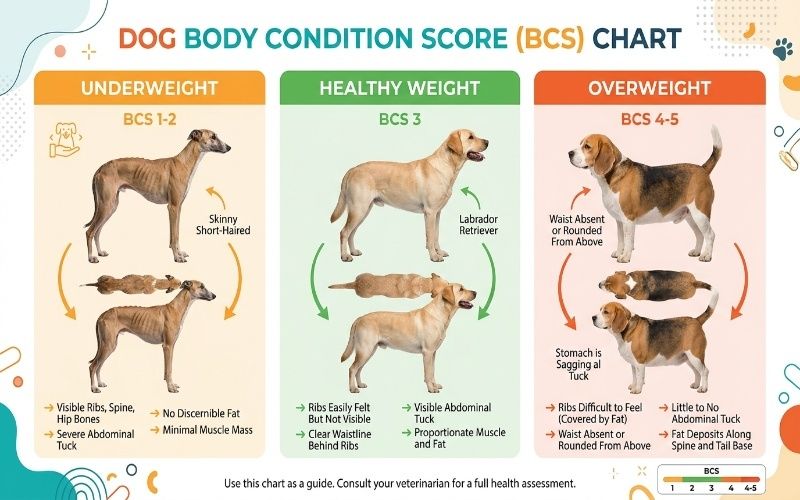
Before choosing dog food for underweight dogs, it’s important to know if your dog really needs to gain weight. A number on the weighing scale doesn’t tell the whole story. Two dogs of the same breed and weight can have very different body shapes. You should also look at your dog’s ribs, waist, hips, and overall muscle.
Your dog may be too thin if you notice several of these signs:
If your dog’s ribs are easy to feel but aren’t sticking out, that can be normal. You shouldn’t try to make a healthy dog heavier just because you can feel its ribs.
A body condition score for dogs is a simple way to check whether a dog is too thin, at a healthy weight, or carrying too much fat. You don’t need special tools to get a basic idea.
Look at your dog from the side and from above. A healthy dog should have a visible waist when viewed from above. You should also be able to feel the ribs without pressing hard. If the ribs, hips, or backbone are very easy to see, your dog may be underweight.
If you’re unsure, ask a vet to check your dog’s body condition. This is especially important if your dog has lost weight without a clear reason. The vet can help you decide whether underweight dog food is needed or if another issue needs attention.
Suggested table:
| Sign | What it may mean |
|---|---|
| Very visible ribs | Your dog may be too thin |
| Visible hip bones | Your dog may have low body fat |
| Very narrow waist | Your dog may need a weight check |
| Ribs easy to feel | Often normal in a healthy dog |
| Recent weight loss | May need a vet check |
If you’re asking, why is my dog losing weight, don’t assume that food is always the problem. Some dogs need more calories, but weight loss can happen for many reasons. Looking at your dog’s eating habits, daily activity, and recent changes can help you understand what may be going on.
Some dogs simply don’t eat enough food to meet their daily needs. This can happen when meals are too small, the dog has a poor appetite, or it doesn’t like the food. Over time, eating fewer calories than the body needs can lead to weight loss.
Active dogs use more energy than dogs that spend most of the day resting. Working dogs, sporting dogs, and very playful dogs may need more calories to maintain their weight. If their food intake doesn’t match their activity, they may slowly become thinner.
For example, a very active Labrador in Lahore may burn much more energy each day than a less active adult dog. Feeding both dogs the same amount may not give them the same results. This is only an example, as each dog’s needs are different.
Sometimes a dog eats a normal amount but still doesn’t gain weight. The food may not provide enough calories for that dog’s needs. Checking the calorie content can help you compare different options before choosing Weight Gain Dog Food.
Some dogs eat less when their routine changes. Moving house, loud noise, a new pet, or other changes can affect their appetite. Picky eaters may also leave food in their bowl instead of eating a full meal.
Weight loss can sometimes point to a health problem. Parasites, dental pain, digestive issues, diabetes, and other illnesses may affect a dog’s weight or appetite.
If your dog is losing weight but eating normally, don’t try to fix the problem with food alone. Sudden or ongoing weight loss needs attention. A vet can check your dog and help find the cause. Once you know what’s causing the problem, you’ll have a better idea of how to help your dog gain weight safely.
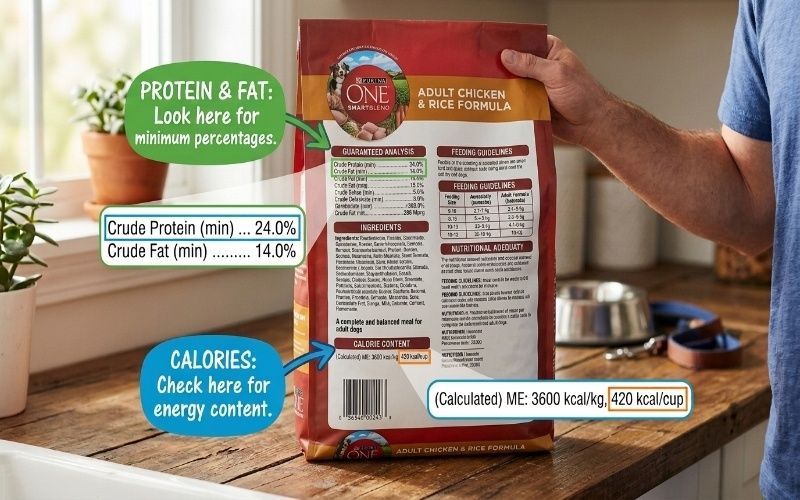
Choosing the best dog food for weight gain isn’t just about finding the bag with the highest protein or fat. A good food should give your dog enough energy while still providing balanced nutrition. Before buying Weight Gain Dog Food, take a few minutes to read the label. The right choice should match your dog’s age, size, activity level, and daily needs.
Calories tell you how much energy the food provides. A high calorie dog food can be useful for dogs that need more energy but can’t eat large meals.
Check the label for calorie information such as:
A food with more calories in a smaller serving can make it easier to increase your dog’s energy intake. This can be useful for very active dogs or dogs with a small appetite. Still, don’t increase portions too quickly. Your dog’s meals should be adjusted based on its needs.
Protein helps support muscles and normal body function. This is important when your goal is healthy weight gain rather than simply adding body fat.
A high protein dog food for weight gain can be helpful, but more protein isn’t always better. Look for a complete food that provides a good balance of protein, fat, vitamins, and minerals.
Fat is a concentrated source of energy. This means a food can provide more calories without making the meal much bigger. Healthy fat sources can be useful when a dog needs extra energy.
However, don’t choose a food just because it has a very high fat level. Too much fat may not suit every dog and can cause stomach problems in some cases.
Weight gain shouldn’t come at the cost of good nutrition. Check that the food is made to provide complete and balanced nutrition for your dog’s life stage.
A food that only looks good because of its protein or fat numbers may not be the best choice. Your dog still needs a range of nutrients to stay healthy.
Your dog needs to eat and digest the food well for it to support weight gain. If your dog refuses the food, it won’t provide much benefit. The same is true if the food regularly causes loose stools or stomach upset.
Choose a food your dog enjoys and handles well. If you’re changing foods, make the change slowly to help your dog adjust.
| What to check | Why it matters |
|---|---|
| Calories | Provides energy for weight gain |
| Protein | Helps support lean muscle |
| Healthy fats | Provides concentrated energy |
| Balanced nutrition | Supports overall health |
| Digestibility | Helps your dog use the nutrients |
| Palatability | Makes it easier for your dog to eat |
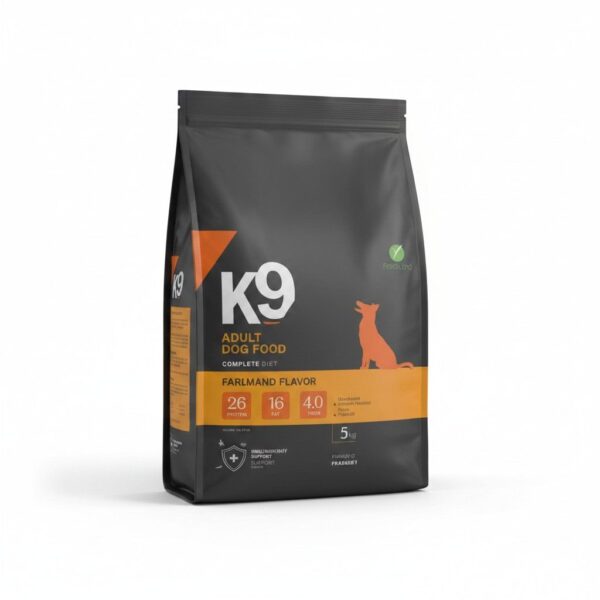
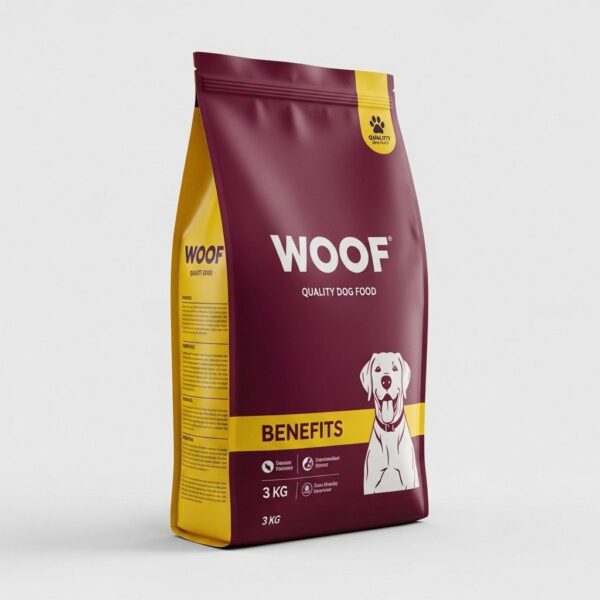
There isn’t one type of food that works for every dog. The right choice depends on your dog’s age, appetite, activity level, and daily needs. Some dogs do well with calorie-rich dry food, while others eat better when wet food is added to their meals. Knowing the difference can make choosing food much easier.
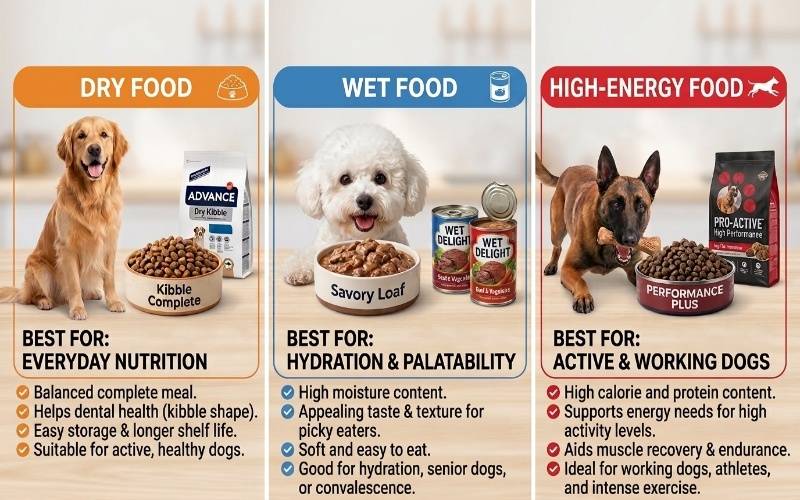
Dry food is easy to store, measure, and serve. A high calorie food for dogs can be a useful choice when your dog needs more energy but doesn’t eat large portions. Check the calorie content on the label rather than choosing a food only because it says “high energy”.
Wet food can be useful for dogs that are picky eaters. It often has a stronger smell and softer texture, which may make it more appealing. It also contains more moisture than dry food. You can serve it on its own or use a suitable wet food as a meal topper.
Dogs that need extra energy may benefit from food with a suitable level of protein and fat. Protein helps support muscle, while fat provides more energy in a smaller serving. A high fat dog food for weight gain should still offer balanced nutrition and be suitable for your dog’s needs.
Puppy food is often made to support growth and can be higher in calories than some adult foods. It can be a good choice for puppies that need to gain weight as they grow. However, don’t use puppy food for an adult dog just because it’s more calorie-rich. Adult dogs have different nutrition needs.
Very active dogs burn more energy each day. Working dogs, sporting dogs, and dogs that exercise a lot may need food that provides extra calories. A suitable high-energy formula can help meet those needs without forcing the dog to eat very large meals.
Once you’ve chosen suitable food, the next step is to build a simple feeding routine. Knowing how to make a dog gain weight isn’t about giving huge meals. Slow and steady changes are usually easier for your dog to handle. Your goal should be to help your dog gain weight while keeping meals balanced and easy to digest.
Some underweight dogs struggle with large meals. Try splitting the daily amount into smaller meals instead of giving too much food at once. This can make meals easier to eat and may help dogs with smaller appetites.
Keep fresh water available throughout the day and try to feed your dog at similar times each day.
Don’t suddenly double your dog’s food. A quick change can lead to loose stools, vomiting, or other stomach problems. Increase the amount slowly and watch how your dog responds.
If you’re changing to a new food, mix it with the old food and make the switch over several days.
If you’re wondering what to feed an underweight dog that doesn’t want to eat, focus on making meals more inviting without adding random foods.
You can:
Don’t rely only on how your dog looks. Weigh your dog regularly if you can, and keep a simple record of the results. You can also check the ribs, waist, and overall body shape.
If your dog isn’t gaining weight or continues to lose weight, speak with a vet. The feeding plan may need to be changed based on your dog’s health and needs.
Table scraps aren’t a good way to put weight on a dog. Fatty leftovers and other human foods may add extra calories without giving your dog balanced nutrition. Some foods can also be unsafe for dogs.
For dog owners in Pakistan, you’ll find many imported high-calorie foods online and in local pet shops. Don’t choose a product just because the pack says “weight gain” or “high protein”. Compare the calorie content, protein, fat, feeding guide, and life stage information on the label.
| Step | What to do |
|---|---|
| 1 | Choose suitable balanced food |
| 2 | Split meals into smaller portions |
| 3 | Increase food slowly |
| 4 | Track weight and body shape |
| 5 | Contact a vet if weight loss continues |
Finding the best Weight Gain Dog Food in Pakistan isn’t only about choosing the most expensive bag on the shelf. You need to check what the food offers and whether it suits your dog. Prices and product choices can also vary between local pet shops and online stores, so it’s worth comparing a few options before buying.
Before you place an order or visit a pet shop, check the food label carefully. Look at:
Both types can have a place in your dog’s diet. The better choice depends on your dog’s needs and eating habits.
| Food type | Best for | Main benefit |
|---|---|---|
| Dry food | Daily meals | Easy to store and measure |
| Wet food | Picky eaters | Often more appealing |
| High-energy food | Active dogs | Provides more calories |
| Puppy food | Growing puppies | Made for growth needs |
The dog food for weight gain price in Pakistan can vary a lot. Brand, bag size, food type, imported or local status, and calorie content can all affect the cost.
Don’t compare bags by price alone. For example, if one 10 kg bag costs more but provides more calories per 100g, it may offer better value for a dog that needs extra energy.
When comparing products in Pakistan, check both price per kg and calories per 100g. This gives you a clearer idea of what you’re paying for. Also, buy from a trusted seller and check the packaging before feeding the food to your dog.
Finding the best Weight Gain Dog Food in Pakistan isn’t only about choosing the most expensive bag on the shelf. You need to check what the food offers and whether it suits your dog. Prices and product choices can also vary between local pet shops and online stores, so it’s worth comparing a few options before buying. You can also check trusted pet retailers such as Petalicious Store when looking for dog food options.
Before you place an order or visit a pet shop, check the food label carefully. Look at:
Both types can have a place in your dog’s diet. The better choice depends on your dog’s needs and eating habits.
| Food type | Best for | Main benefit |
|---|---|---|
| Dry food | Daily meals | Easy to store and measure |
| Wet food | Picky eaters | Often more appealing |
| High-energy food | Active dogs | Provides more calories |
| Puppy food | Growing puppies | Made for growth needs |
The dog food for weight gain price in Pakistan can vary a lot. Brand, bag size, food type, imported or local status, and calorie content can all affect the cost.
Don’t compare bags by price alone. For example, if one 10 kg bag costs more but provides more calories per 100g, it may offer better value for a dog that needs extra energy.
When comparing products in Pakistan, check both price per kg and calories per 100g. This gives you a clearer idea of what you’re paying for. Also, buy from a trusted seller and check the packaging before feeding the food to your dog.
Helping your dog gain weight takes more than simply adding extra food to the bowl. Start by checking your dog’s body condition, then choose balanced food that provides the right amount of calories and nutrients. Feed meals in a steady routine and keep track of your dog’s progress.
If your dog keeps losing weight, has a poor appetite, or seems unwell, don’t wait too long to get help. A vet can find the cause and guide you towards a safe feeding plan. With the right food, regular care, and a little patience, you can help your dog reach a healthier weight.
The best food depends on your dog’s age, size, activity, and health. Look for balanced food with enough calories, protein, and healthy fats.
A complete and balanced dog food to help gain weight can be a good starting point. Choose a food that provides enough calories for your dog’s daily needs.
It can help support healthy muscle, but protein alone isn’t enough. Your dog’s food should also provide suitable calories, fats, vitamins, and minerals.
Choose a high calorie dog food that is complete and balanced for your dog’s life stage. Check the calories per 100g or serving on the label.