Shopping Cart (0)
Close


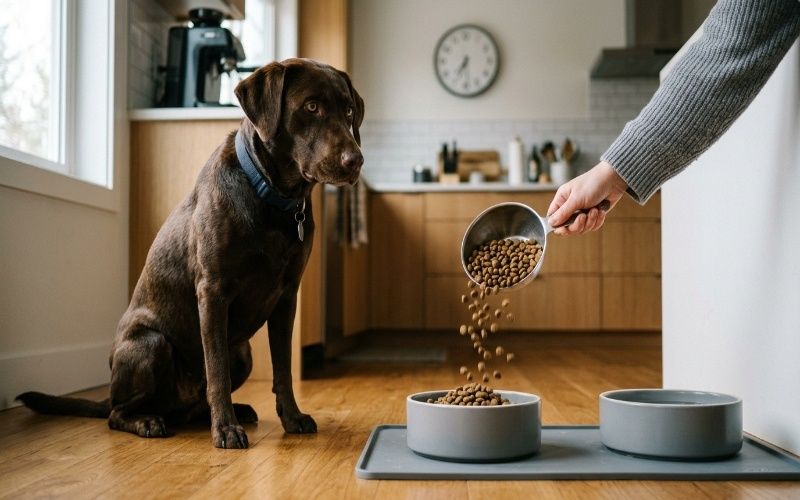
Many dog owners ask the same question, how often should you feed a dog? The answer depends on your dog’s age, size, health, and activity level. A young puppy needs food more often than an adult dog. Senior dogs may also need a different feeding routine to stay healthy.
If you’re wondering how many times a day should a dog eat, you’re not alone. Feeding your dog at the right times can help with digestion, energy levels, and weight control. It can also help prevent problems such as overeating or begging for food.
A good dog feeding schedule gives your pet a routine they can count on every day. Most adult dogs do well with two meals a day, while puppies often need three or four meals. However, every dog is different, so it’s important to understand your pet’s needs.
In this guide, you’ll learn the best feeding schedule for puppies, adult dogs, and senior dogs. You’ll also discover simple tips to help your dog stay happy, active, and healthy.
If you’re asking how often should dogs eat, the simple answer is that most adult dogs do best with two meals a day. One meal in the morning and one in the evening helps keep their energy steady and prevents them from getting too hungry.
Many vets recommend feeding dogs twice a day because it gives dogs a regular routine. It can also help with digestion and make it easier to manage your dog’s weight.
A simple dog meal frequency guide looks like this:
Meal timing is just as important as meal frequency. Dogs like routine, and their bodies work better when they eat at the same times each day. For example, feeding your dog every morning and evening can help reduce hunger between meals and support healthy digestion.
It’s also easier to notice changes in your dog’s appetite when you follow a regular feeding schedule.
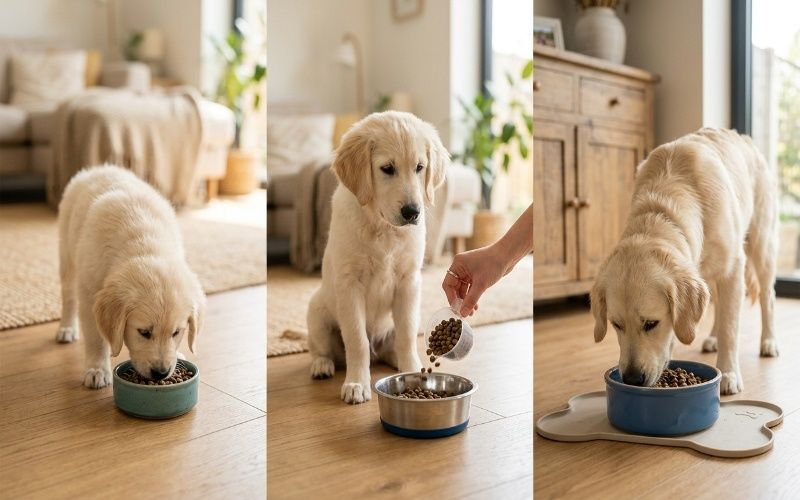
Puppies grow fast and they need the right food at the right time. A good puppy feeding schedule helps them stay healthy, strong, and active. If you’re wondering how often should puppies be fed, the answer depends on their age. Younger puppies need more meals in a day because their stomach is small and they burn energy quickly.
At this age, puppies need food about 4 times a day. Their body is still very small, so they cannot eat large meals. For example, you can feed them morning, midday, afternoon, and night. Keep portions small and easy to digest. This helps them grow without upsetting their stomach.
Now your puppy is growing fast. You can reduce feeding to 3 meals a day. In simple words, their body can handle a bit more food at one time. Try to keep a regular puppy meal schedule so your dog knows when food is coming. This also helps with training and behavior.
At this stage, most puppies move to 2 meals a day. They are almost adults now, so their feeding routine starts to look like an adult dog. However, large breed dogs may still need 3 meals for better digestion. Always watch your puppy’s energy and weight during this stage.
You should switch to adult feeding when your puppy is fully grown. This is usually around 12 months for small and medium dogs. Large breeds may take up to 18 months. On the other hand, switching too early can affect growth, so it’s better to wait until your vet says it’s okay.
In simple words, a good feeding routine helps your puppy grow healthy and happy. A steady puppy feeding schedule is one of the easiest ways to support their development every single day.
When your dog becomes an adult, their feeding needs change a lot. Most people ask how often should adult dogs eat, and the simple answer is usually two times a day. This helps keep their energy stable and their stomach happy.
A good adult dog feeding schedule is one meal in the morning and one in the evening. This routine is easy to follow and works well for most healthy dogs.
Most vets suggest feeding dogs twice a day because it helps with digestion. When a dog eats too much at one time, it can feel heavy or uncomfortable. Splitting meals makes it easier for the body to use energy during the day.
Some owners feed their dogs only once a day. On the other hand, this does not work well for every dog. Some dogs may feel very hungry for long hours. This can lead to low energy or even stomach issues in some cases. So, most dogs do better with two meals instead of one.
Sometimes you may need to change your dog’s routine. Watch for these signs:
If you see these signs, it may be time to adjust the adult dog feeding schedule. Every dog is different, so it’s important to watch their behavior and make small changes when needed.
As dogs get older, their body starts to slow down. That means their food needs also change. A good senior dog feeding schedule can help keep them healthy, active, and comfortable in daily life.
Older dogs may not eat as much as before, or they may become a bit picky with food. That is normal. But it’s still important to give them the right balance of meals each day.
When dogs age, their digestion becomes slower. Some dogs may lose interest in food, while others may gain weight more easily. This is why feeding older dogs needs more care and attention.
For example, an older dog may not finish a large meal at once. On the other hand, small and simple meals can be easier for them to eat and digest.
Most senior dogs do well with two smaller meals a day. This keeps their energy steady without putting pressure on their stomach. A simple routine also helps you track their eating habits.
Good dog nutrition for seniors includes easy to digest food, enough water, and the right portion size. You can also add wet food if your dog has trouble chewing dry food.
In simple words, a steady routine makes life easier for older dogs. A gentle senior dog feeding schedule helps them stay comfortable and happy as they grow older.
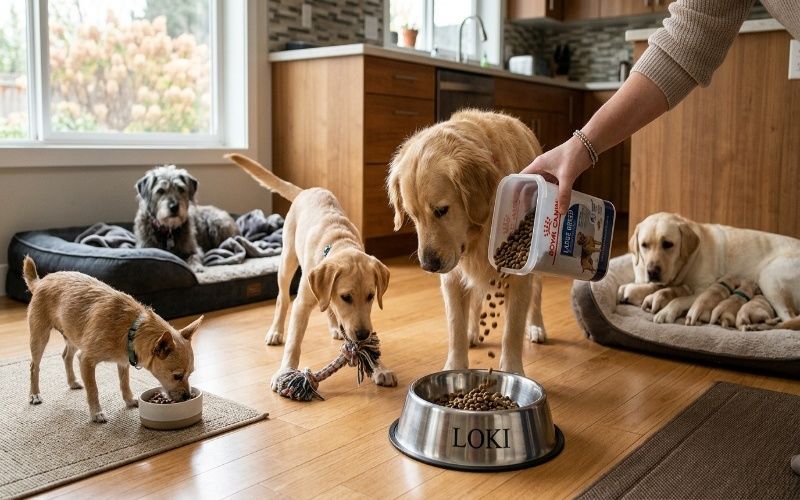
Every dog is different, so there is no one perfect rule for feeding. A good dog feeding routine depends on many things like age, size, health, and daily activity. When you understand these factors, it becomes easier to set the right meal plan for your dog.
Small dogs and large dogs do not eat the same way. Small dogs may need smaller meals more often because their stomach is small. Large dogs can handle bigger meals but may still do better with two meals a day. This is an important part of daily dog food requirements.
Active dogs that run and play a lot burn more energy. They may need more food or slightly bigger portions. On the other hand, lazy or less active dogs need fewer calories to avoid weight gain.
If your dog is overweight, you may need to reduce food portions. If your dog is too thin, you may need to increase food. A balanced dog nutrition plan helps keep your dog at a healthy weight.
Some dogs have health problems like stomach issues or diabetes. These dogs may need a special feeding plan. In simple words, always follow your vet’s advice if your dog has any health condition.
Female dogs that are pregnant or feeding puppies need more food and energy. They may eat smaller meals more often during the day. This helps support both the mother and her puppies.
In short, a good dog feeding routine is not the same for every dog. It changes based on your dog’s body, lifestyle, and health.
One of the most common questions dog owners ask is how much food should I feed my dog. The answer is not the same for every dog. It depends on size, age, activity level, and health. In simple words, every dog needs a different amount of food each day.
When we talk about dog food portions, we mean how much food goes into each meal. Most dog food bags give a feeding guide based on your dog’s weight. For example, a small dog may need only a small cup of food per day, while a large dog may need several cups split into two meals.
It’s important not to overfeed or underfeed. Too much food can cause weight gain. Too little food can make your dog weak or low on energy.
Dry food and wet food have different daily dog food requirements. Dry food is more common and easier to measure. Wet food has more water, so dogs may need a larger amount to feel full. Some owners mix both to balance taste and nutrition.
Dog food packs usually have a feeding chart. This tells you how much food your dog should eat based on weight. It’s a good starting point, but it’s not perfect for every dog.
In simple words, use the label as a guide and adjust based on your dog’s body and energy. A balanced routine helps keep your dog healthy and happy every day.
Many dog owners wonder should dogs eat once or twice a day. The simple answer is that most dogs do better with two meals a day. This helps keep their body steady and their stomach comfortable.
In most cases, a regular feeding frequency for dogs makes a big difference in their health and behavior.
When you feed your dog twice a day, their energy stays more balanced. They don’t get too hungry between meals. It also helps with digestion and can reduce stomach issues. For example, one meal in the morning and one in the evening works well for most dogs.
Feeding only once a day is not always the best choice. Some dogs may feel very hungry for long hours. This can affect their mood and energy. In some cases, it may also lead to fast eating, which is not good for digestion. These dog feeding habits can create stress for some pets.
Most vets recommend feeding dogs twice a day. It is simple, safe, and easy to follow. However, every dog is different, so you should always watch your pet’s behavior and adjust if needed.
Many dog owners try their best, but still make small mistakes with food. These common dog feeding mistakes can affect a dog’s health, energy, and weight. The good news is that they are easy to fix once you know them.
One big mistake is giving too much food. Many people think more food means a happier dog. But in reality, overfeeding can lead to weight gain and low energy. A simple rule is to follow proper dog feeding tips and stick to the right portion size for your dog’s age and size.
Some owners leave food out all day. This is called free feeding. It may seem easy, but it is not always healthy. Dogs may eat too much or lose interest in regular meals. A set schedule helps build better healthy dog feeding habits.
Treats are fun, but too many can be a problem. Dogs may start ignoring their main meals. It can also lead to weight gain. Treats should be small and given only as rewards.
Changing meal times again and again can confuse your dog. Dogs feel safe with a routine. A steady schedule helps their body and mind stay balanced.
If you have a busy life, it can feel hard to manage your dog’s meals. But with a simple plan, you can build a dog feeding routine that works every day. A steady plan helps your dog stay healthy and calm.
The best feeding schedule for dogs is usually two meals a day. One in the morning and one in the evening works well for most adult dogs. For example, you can feed your dog at 8 am before work and again at 7 pm after you get home. This keeps their energy balanced through the day.
If your family is busy, try to keep the same timing every day. You can also ask another family member to help if you are not home. In simple words, consistency is more important than perfection. A regular feeding schedule for dogs helps your pet feel safe and relaxed. At petalicious store, we always recommend keeping a fixed routine because it supports better health and behavior in dogs.
On weekends, many people change their routine, but try not to change your dog’s meal times too much. Dogs like routine, even on rest days. You can spend a little extra time with them during meals, but keep the timing the same.
Now you know how often should you feed a dog and how important a simple routine is for your pet’s health. Most dogs do well with two meals a day, but puppies and senior dogs may need a different plan.
A good dog feeding guide is not just about food. It’s about timing, portion size, and understanding your dog’s needs. When you follow a steady routine, your dog feels safe, active, and happy.
In simple words, a healthy dog feeding routine can make a big difference in your dog’s life. Try to keep meal times the same every day and adjust only when needed.
If you stay consistent and watch your dog’s behavior, you’ll always know what works best for them.
Some dogs can eat once a day, but it is not the best choice for most dogs. Many pets feel better when they eat two times a day. A simple feeding guide for dogs usually recommends splitting food into morning and evening meals. This helps with energy and digestion.
It is better to do both. Dogs do well with a morning and evening meal. This keeps their stomach full in a healthy way and avoids long gaps without food.
Large breed dogs usually do well with two meals a day. This helps reduce pressure on their stomach and keeps energy steady throughout the day.