Shopping Cart (0)
Close


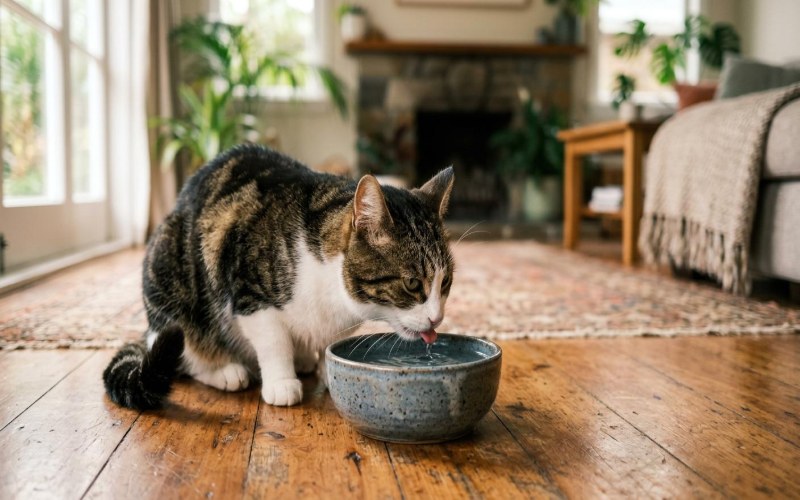
Choosing the right water bowl is an important part of caring for your cat. Cats need fresh, clean water every day to stay healthy. However, some cats may avoid drinking from a bowl that moves around, is hard to reach, or isn’t kept clean. The right bowl can make drinking water easier and more comfortable.
If you’re looking for the best cat water bowls, you’ll find several options to choose from. Stainless steel bowls are easy to clean, ceramic bowls are often sturdy, and plastic bowls are light and simple to use. You can also consider a gravity dispenser or an electric water fountain if your cat prefers moving water.
Before you buy a cat water bowl online, think about your cat’s size, drinking habits and daily needs. The best water bowl for cats isn’t always the most expensive one. It should be safe, stable and easy to wash. This guide will help you compare different types, understand prices and choose a bowl that suits your cat and your home.

Cat water bowls come in different materials and designs. Some are simple and easy to clean, while others help keep more water available throughout the day. The right choice depends on your cat’s habits, your budget and how much time you can spend on cleaning.
A stainless steel cat water bowl is a popular choice because it’s strong, light and easy to wash. Its smooth surface doesn’t hold stains as easily as some other materials. It also won’t break if it falls from a low height.
Look for a bowl with a wide base or a non-slip bottom. This can help stop it from sliding across the floor while your cat drinks. Even though stainless steel is easy to clean, you’ll still need to wash it often and refill it with fresh water.
A ceramic water bowl for cats can be a good choice if you want something heavy and steady. Its weight may help stop your cat from pushing it around. Choose a bowl with a smooth, glazed surface, and check it for chips or cracks. Damaged ceramic can be harder to clean properly.
Plastic bowls are usually light and often cost less than ceramic or stainless steel options. They’re easy to move, but they can develop scratches over time. Dirt can collect in these marks, so replace a bowl if it becomes badly scratched or damaged.
A gravity water dispenser holds extra water in a container and releases more as your cat drinks. It’s useful if you want a larger supply of water available without refilling a small bowl many times. However, you should still change the water and clean the container regularly.
An electric cat water fountain keeps water moving with the help of a pump. Some cats may find moving water more interesting than still water. Many fountains also use filters to catch hair and other particles. However, they need electricity, regular cleaning and filter changes to work well. If you’re looking for the best cat water bowl, consider whether your cat prefers still or moving water before choosing between these options.
Before choosing a fountain, check the pump, cleaning instructions and cost of replacement filters. A simple bowl may be the better option if you want something easy to maintain.

Every cat has different needs, so it’s worth taking a little time to choose the right water bowl. Think about your cat’s size, drinking habits and the space you have at home. A bowl that’s easy to reach, stays in place and is simple to clean can make daily care much easier.
Your cat should be able to drink without struggling to reach the water. A bowl that’s too deep or too narrow may not be comfortable for some cats. A wide cat water bowl with a shallow shape gives your cat plenty of room to drink. Some cats also prefer a wider rim that doesn’t touch their whiskers too much.
Kittens may need a smaller bowl with a low edge. This makes it easier for them to reach the water without climbing or leaning too far. When choosing the best water bowl for kittens, make sure it’s stable and won’t tip over easily. The bowl should also hold enough water for your cat’s needs, with fresh water added throughout the day.
A bowl that slides across the floor can spill water and make drinking less comfortable. A non-slip cat water bowl can help keep the bowl in place, especially if your cat tends to push it while drinking. You can also choose a heavier bowl with a broad base.
The material matters too. Stainless steel and smooth, glazed ceramic are often easy to wash. Check ceramic bowls for cracks or chips, and replace plastic bowls if they develop deep scratches. Choose a design without lots of tight corners, as these can be harder to clean.
Wash the bowl every day with dish soap and rinse it well. Always check the care instructions if the bowl has special parts or a coating.
Watch how your cat drinks before buying a new bowl. Some cats are happy with still water, while others seem more interested in moving water. If your cat often tries to drink from a running tap, you could try a water fountain. However, not every cat will prefer one, so keep a clean bowl available as well.
Where you place the bowl also matters. Choose a quiet spot where your cat can drink without being disturbed. Keep it away from the litter tray, and try placing it away from food if your cat seems to prefer separate areas. If you have a large home or more than one cat, offering water in several places can make it easier for every cat to drink when needed.
The cost of a cat water bowl depends on its material, size and design. A simple bowl is often a good choice if you want something easy to use and clean. A gravity dispenser can hold more water, while an electric fountain offers moving water. Before buying, think about what your cat needs and how much you want to spend.
When comparing the cat water bowl price, look beyond the price tag. Stainless steel and plastic bowls come in different sizes and designs, while ceramic bowls may cost more because of their finish or weight. The brand and build quality can also affect the cost.
Gravity dispensers and electric fountains may cost more than basic bowls. Fountains can also need replacement filters, pump parts and electricity. These extra costs are worth checking before you make a choice. A simple bowl may be enough if your cat drinks well from still water.
You can buy a cat water bowl online through pet shops and online marketplaces. Compare a few listings before placing an order. Check whether the item is in stock, how much delivery costs and when it’s expected to arrive. Also, read the return policy in case the product arrives damaged or doesn’t match its description.
Look closely at the product photos and details. Check the bowl’s size, material and water capacity. If you’re buying a fountain, make sure the pump and any required filters are included.
Before paying, read recent customer reviews and look for comments about cleaning, leaks, stability and product quality. For a fountain, check whether replacement filters are easy to find. This can save you trouble later.
When comparing the cat water dispenser price, check the capacity and cleaning needs as well as the cost. A cheaper dispenser may not be the best value if it’s hard to clean or replacement parts are difficult to find.
Use this quick checklist before buying:
The best choice is one that suits your cat, fits your budget and is easy to care for every day.

Both water bowls and fountains can provide fresh drinking water for your cat. The best choice depends on your cat’s habits, your budget and how much time you can spend on cleaning. A simple bowl works well for many cats, while some cats may enjoy drinking from moving water.
A traditional bowl is easy to use and doesn’t need electricity or special parts. You can place it in a quiet spot, refill it with fresh water and wash it each day. Stainless steel and ceramic bowls are useful options because they’re often easy to clean.
A basic bowl can also be a good choice if you want to keep costs low. If you have more than one cat, you can place bowls in different areas of your home. Just make sure each bowl stays clean and has fresh water.
An electric fountain moves water through a pump. Some cats may find this moving water more interesting than still water. Many models also have filters that catch hair and other particles, but filters don’t remove every type of dirt or germ.
Fountains need more care than basic bowls. You’ll need to clean the water tank and pump, change the filters as advised and check that the pump works well. The cost of replacement parts is also worth considering when comparing the best cat water fountain for indoor cats.
The cat water bowl vs water fountain choice comes down to what suits your cat and daily routine. A simple bowl may be better if you want low costs and less upkeep. A fountain may be worth trying if your cat often seeks water from a running tap. However, a fountain won’t make every cat drink more.
Think about your home, too. During power cuts, an electric fountain may stop working, so keep a regular bowl available with fresh water.
When checking the cat drinking fountain price, include the cost of filters, cleaning and any replacement parts. The most suitable option is one your cat can use easily and you can keep clean.
Fresh, clean water helps your cat stay hydrated. However, dust, loose hair and bits of food can quickly make a water bowl dirty. A simple daily routine can help keep the water fresh and make drinking more pleasant for your cat.
Replace your cat’s water with fresh water every day. If you notice hair, food or dirt in the bowl, change the water sooner. Wash the bowl with dish soap and warm water, then rinse it well to remove any soap left behind.
An easy-to-clean cat water bowl can make this task much simpler. Choose a bowl with a smooth surface and no hard-to-reach corners. Stainless steel and glazed ceramic are often practical choices because they’re easy to wash when used and cared for properly.
Water fountains need extra care because water moves through a pump and stays inside a tank. Follow the maker’s cleaning instructions and take apart the removable parts as directed. Clean the tank and pump to remove hair, dirt and slimy build-up.
Change the filter as often as the maker recommends. The timing depends on the fountain model, how many cats use it and how quickly the filter gets dirty. If the pump becomes noisy or the water flow slows down, check whether it needs cleaning.
If you’re unsure how often to clean a cat’s water bowl, daily washing is a good routine. Fountains may need deeper cleaning on a schedule based on their instructions and how quickly they get dirty.
Place the bowl in a quiet area where your cat can drink without being disturbed. Keep it away from the litter tray, and choose a spot that’s easy to reach. Avoid placing it where dust, food crumbs or other dirt can fall into the water.
If you have a large home, placing water bowls in more than one room can make drinking easier. This may also help if you have several cats.
To understand how to keep cat drinking water fresh, remember three simple steps: provide fresh water daily, wash the bowl often and check it throughout the day. These small habits help keep your cat’s drinking area clean and inviting.

Choosing a water bowl may seem simple, but a poor choice can make daily care harder. The bowl should suit your cat, be easy to clean and stay in place while your cat drinks. A few simple checks can help you avoid wasting money on the wrong product.
A bowl that’s too small may need frequent refills, while one that’s too deep may be hard for a kitten to use. Choose a size that lets your cat drink comfortably. A wide base or a non-slip bottom can also help stop the bowl from sliding across the floor.
Not every bowl will stay in good shape with daily use. When choosing a safe water bowl material for cats, look for a smooth surface that’s easy to wash. Check ceramic bowls for chips and cracks, and replace plastic bowls if they develop deep scratches.
A plastic water bowl for cats can be light and affordable, but it needs regular cleaning and should be replaced when damaged. Also, don’t assume a fountain is clean just because the water is moving. The tank and pump still need regular care.
An electric fountain may seem like a useful upgrade, but check the ongoing costs before buying one. Make sure you can find replacement filters for cat water fountains that fit your chosen model. Check the cost of filters and pump parts, too.
Think about power cuts as well. If the fountain stops working, your cat should still have access to fresh water in a regular bowl.
Before buying, use this quick checklist:
These simple steps can help you choose a bowl that’s practical, safe and easy to care for.
Choosing the right water bowl comes down to your cat’s needs and your daily routine. Look for a safe material, a suitable size and a stable design that’s easy to clean. The best cat water bowl for your pet should be easy to reach and simple to wash. A traditional bowl works well for many cats, while a water fountain may suit those who enjoy moving water. Before buying, compare product details, delivery costs and any extra costs for filters or pump parts. At Petalicious Store, check the available options carefully to find a bowl that fits your cat’s habits and your budget.
Stainless steel is a good choice because it’s durable and easy to clean. Ceramic is another option, while plastic bowls should be replaced if scratched.
A fountain may help encourage some cats to drink more. However, it needs regular cleaning and may require replacement filters.
Wash the bowl daily with soap and water. Rinse it well and refill it with fresh water to help keep it clean.
Some cats enjoy moving water, while others prefer a still bowl. If you’re wondering do cats prefer running water, try both options and see which your cat uses.
Choose a quiet spot away from the litter tray and food bowls. When deciding where to place a cat’s water bowl, make sure your cat can reach it easily.


