Shopping Cart (0)
Close


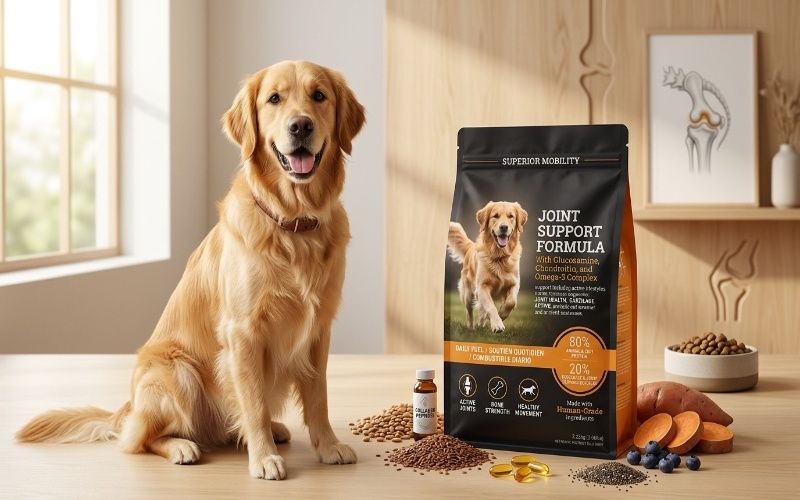
Choosing the right food can make a big difference to your dog’s daily health. Grain free dog food is made without grains such as wheat, corn, rice, or barley. Some dogs may do well on it, especially if they have certain food sensitivities. However, grain-free food isn’t automatically better for every dog. If you’re looking for grain free dog food Pakistan, it’s important to check the ingredients, nutrition, age group, and your dog’s needs. In this guide, we’ll cover the benefits, possible risks, popular options, and how to choose the best grain free dog food in Pakistan.
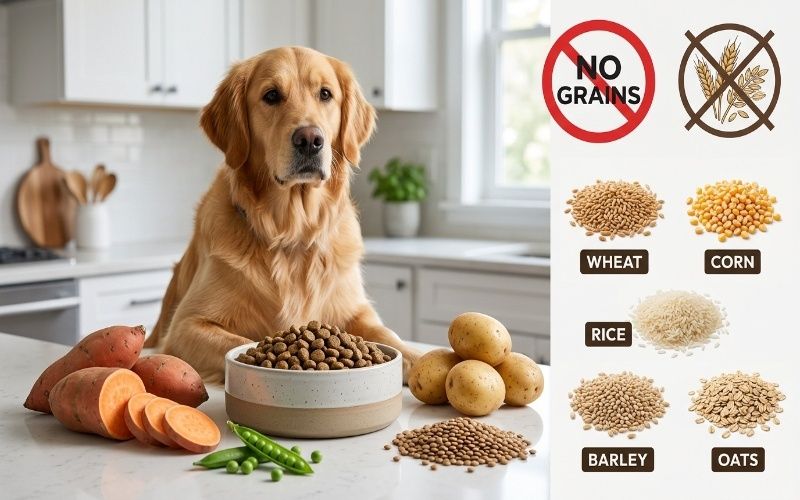
If you’re wondering what is grain free dog food, it’s food made without common grains such as wheat, corn, rice, barley, and oats. These ingredients are often used as sources of carbohydrates in regular dog food. A grain-free recipe leaves them out and uses other ingredients instead.
Grain-free simply means the recipe doesn’t contain grains. It doesn’t mean the food has no carbohydrates. Dogs can still get carbs from ingredients such as potatoes, sweet potatoes, peas, and lentils.
For example, a grain free dry dog food may use sweet potato instead of rice. Both can provide carbohydrates, but they come from different sources.
Common grain free dog food ingredients include sweet potatoes, potatoes, peas, and lentils. Some recipes also use other vegetables or legumes. When choosing one, don’t focus only on the grain-free label. Check the full ingredient list and make sure the food provides complete nutrition for your dog’s age and needs.
If you’re asking is grain free dog food good for dogs, the answer isn’t the same for every dog. Grain-free food can be a good choice for some dogs, but most healthy dogs don’t need to avoid grains. What matters more is whether the food gives your dog complete and balanced nutrition.
Most dogs can eat grains such as rice, corn, wheat, and oats without a problem. There’s no need to remove grains just because they’re seen as unhealthy. If your dog is healthy and doing well on its current food, you don’t need to switch to a grain-free diet without a good reason.
When comparing grain free vs regular dog food, the main difference is the source of carbohydrates.
| Feature | Grain Free | Grain Inclusive |
|---|---|---|
| Wheat | No | May contain |
| Corn | No | May contain |
| Rice | No | May contain |
| Carb sources | Potatoes, peas, etc. | Grains and other sources |
| Suitable for every dog | Not necessarily | Often suitable |
Grain-free food may be useful for a dog with a diagnosed food allergy or sensitivity to a specific grain. However, food allergies can also be caused by proteins such as chicken or beef. So, do dogs need grain free food? Not usually. It’s better to find out what your dog actually needs before changing its diet.
There are some reasons dog owners choose grain-free food, but it isn’t a magic fix. The main benefit is that it can give you more options when your dog needs a different diet. It’s also important to look at the full recipe, not just the words “grain free” on the bag.
Some dogs can react badly to certain ingredients. A grain free dog food for allergies may help if a grain is found to be the problem. However, removing grains doesn’t guarantee that the allergy will go away. Dogs can also react to proteins or other ingredients.
Grain-free recipes often use ingredients such as sweet potatoes, potatoes, peas, or lentils instead of grains. These can provide carbohydrates and other nutrients. For example, a recipe may use sweet potato instead of rice.
Also Read: Joint Care Dog Food
You can find grain-free recipes made with lamb, chicken, fish, or turkey. This can be useful when you’re trying to find a food that suits your dog’s needs. For dogs with a sensitive stomach, the protein source may matter more than whether the food is grain-free. If your dog has ongoing problems, it’s best to ask a vet before changing its diet.
Grain-free food can be a useful choice for some dogs, but it isn’t always the best option. The risks of grain free dog food depend on the full recipe and your dog’s needs. That’s why it’s better to look at the whole food instead of choosing it just because the label says grain free.
Removing grains doesn’t make a dog food healthier by itself. A good food should provide the right balance of protein, fat, vitamins, minerals, and other nutrients. It’s also important to choose a recipe made for your dog’s age and size.
Some grain-free recipes use peas, lentils, chickpeas, or potatoes as major ingredients. These can be useful food ingredients, but the full recipe still matters. Check the ingredient list and nutrition information before buying. Don’t judge a food only by its grain-free label.
You may have heard concerns about grain free dog food and DCM, which is a serious heart condition called dilated cardiomyopathy. Some reports have linked certain grain-free diets with cases of DCM, but the issue is complex. It doesn’t mean that all grain-free food causes heart problems, or that every dog eating it will become ill.
If you’re wondering, can grain free dog food cause heart problems, it’s best to discuss your dog’s diet with a vet, especially if your dog has a heart condition or other health concerns.
Vet advice: Don’t change your dog’s diet for a medical reason without getting advice from a qualified vet.
Choosing the right food isn’t just about finding a bag that says grain free. If you’re learning how to choose grain free dog food, start with your dog’s age, size, activity level, and health needs. A quick look at the label can also tell you a lot about the food.
Look for a clearly named protein such as chicken, lamb, turkey, or fish. Check where it appears in the ingredient list. The right protein can be important when your dog has food sensitivities.
Choose a complete and balanced dog food that is made for your dog’s life stage. This helps ensure your dog gets the nutrients needed for daily health and growth.
Puppies need food made for growth, while adult dogs need food for maintenance. Small and large breeds can also have different needs. Choose a formula that matches your dog’s life stage and size.
Before buying, check the protein, fat, fibre, calories, ingredients, feeding guide, and expiry date. If you’re buying pet food in Pakistan, also check the seal and packaging before paying.
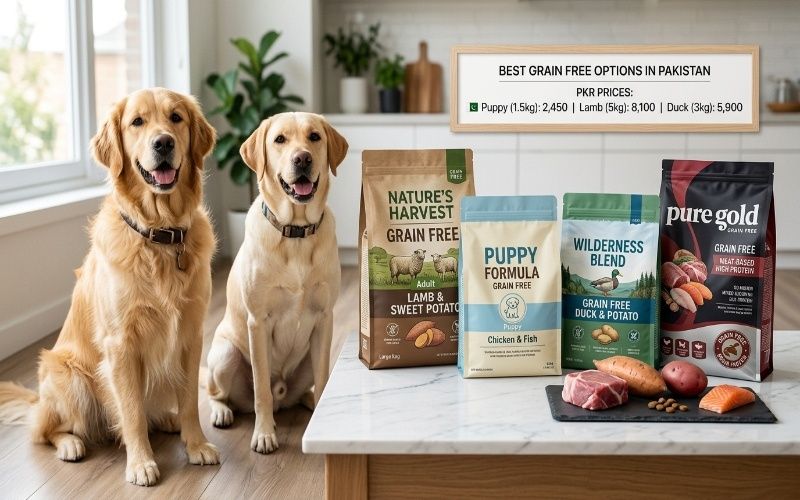
If you’re looking for the best grain free dog food in Pakistan, don’t choose a product only because it says grain free. Check the protein source, your dog’s age, the ingredients, and the food’s nutritional value. You can find several grain free dog food brands in Pakistan, from local pet shops to imported online options.
NorthPaw is one option available to Pakistani dog owners. Its range includes adult formulas, lamb and sweet potato recipes, small bite options, and puppy food. The lamb and sweet potato recipe may suit owners looking for a different protein and carb source. Always check the exact formula and size before buying.
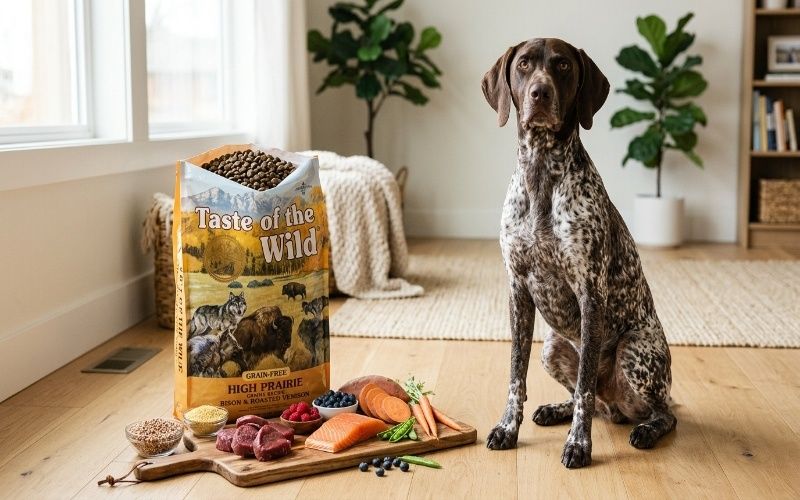
Taste of the Wild offers grain-free dry food with meat and fish based recipes. One 12 kg Wetlands Fowl bag is listed at Rs. 29,000 by BirdAgents, although it was sold out when checked.
Josera has grain-free recipes based on animal protein and potato. It’s worth considering for adult dogs when the recipe matches their nutritional needs.
Depending on stock, you may also find Blue Buffalo Freedom, Odin Grain Free, Open Farm, and other imported recipes. Prices can vary a lot due to bag size, imports, and seller costs.
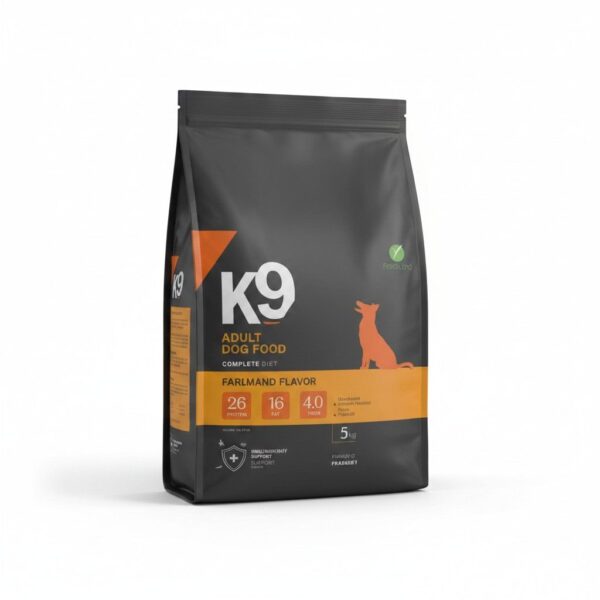
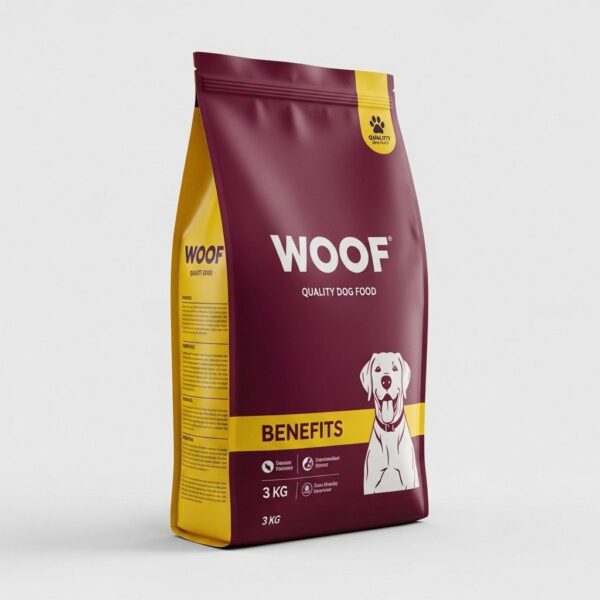
Every dog has different food needs, so the same recipe won’t suit every pet. When choosing grain-free food, think about your dog’s age, size, activity, and any food problems they may have.
Grain free dog food for puppies should be made for growth and development. Puppies need the right balance of nutrients as they grow. A food isn’t suitable just because it’s grain-free. Check that the recipe is made for puppies and meets their growth needs.
For grain free adult dog food, consider your dog’s age, weight, activity level, and daily calorie needs. An active dog may need a different amount of food than a less active one.
Grain free dog food for sensitive stomach problems may help some dogs, but it isn’t a guaranteed fix. Your dog could be reacting to another ingredient, such as a protein source.
If your dog has an allergy, don’t assume grains are the cause. A vet can help find the real trigger and suggest the right diet.
Case Study: if your dog in Pakistan often has loose stools after eating, don’t simply buy any grain-free bag. Check the ingredients and speak with a vet before making a major food change.
Dogs have different needs, so choosing food based on age and health is important. A grain-free label alone doesn’t tell you if a food is right for your pet.
Grain free dog food for puppies should be made for growth. Puppies need enough protein, fat, vitamins, and minerals to support their growing bodies. Always check the label to make sure the food is made for puppies. Grain-free by itself doesn’t make a food suitable for young dogs.
When choosing grain free adult dog food, think about your dog’s age, weight, activity, and daily calorie needs. An active dog may need more food than a dog that spends most of the day resting.
Grain free dog food for sensitive stomach problems may help some dogs, but it isn’t a guaranteed solution. Digestive problems can come from many causes, including another ingredient in the food.
Don’t assume grains are causing your dog’s allergy. Dogs can react to proteins and other ingredients too. If your dog has ongoing itching, vomiting, or digestive problems, a vet can help find the real cause and suggest a suitable diet.
A sudden change in food can upset your dog’s stomach. If you’re learning how to switch dog food, it’s better to make the change slowly. This can make changing dog food easier for your pet. If you’re buying a new formula from Petalicious Store, use the same slow approach when changing your dog’s food.
Try this simple plan:
If you notice vomiting, diarrhoea, or other stomach problems, slow the change down and speak with your vet if the problem continues. This is especially important when using grain free dog food for sensitive stomach problems. If your dog has a diagnosed allergy or medical condition, follow your vet’s diet advice.
Choosing grain free dog food isn’t about finding a food with the biggest grain-free label. It’s about finding a complete and balanced diet that suits your dog’s age, size, activity, and needs. If you’re comparing the best grain free dog food in Pakistan, check the ingredients, nutrition, pack size, price, and current availability before buying. Grain-free isn’t automatically better, and some dogs may not need it at all. If your dog has allergies, stomach problems, or other health concerns, it’s best to speak with a vet before changing its diet. A little care now can help you make a better food choice for your dog.
Not necessarily. The best food depends on your dog’s age, health, activity, and nutritional needs. Grain-free doesn’t automatically mean better.
Most healthy dogs don’t need a grain-free diet just because it has no grains. If your dog is doing well on a complete and balanced food, there’s usually no need to change it without a clear reason.
There have been concerns about some grain-free diets and DCM, a serious heart condition. However, this doesn’t mean all grain-free food causes heart problems. If you’re worried, speak with your vet.