Shopping Cart (0)
Close


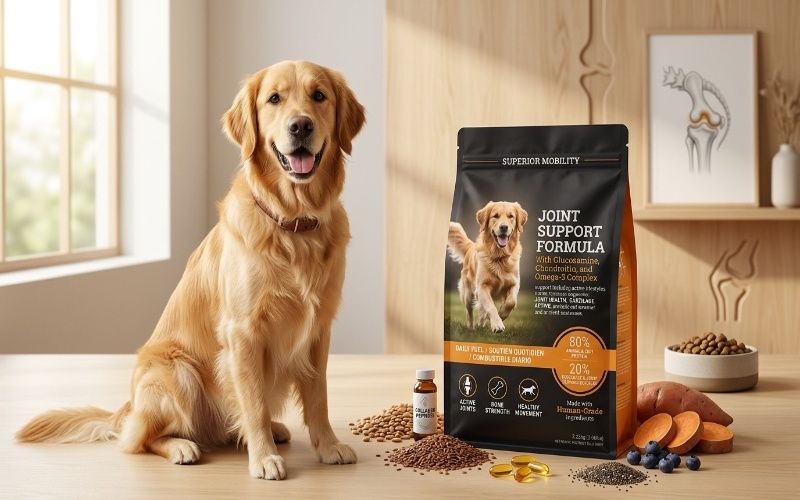
Choosing the right food can make a big difference to your dog’s daily health. Grain free dog food is made without grains such as wheat, corn, rice, or barley. Some dogs may do well on it, especially if they have certain food sensitivities. However, grain-free food isn’t automatically better for every dog. If you’re looking for grain free dog food Pakistan, it’s important to check the ingredients, nutrition, age group, and your dog’s needs. In this guide, we’ll cover the benefits, possible risks, popular options, and how to choose the best grain free dog food in Pakistan.
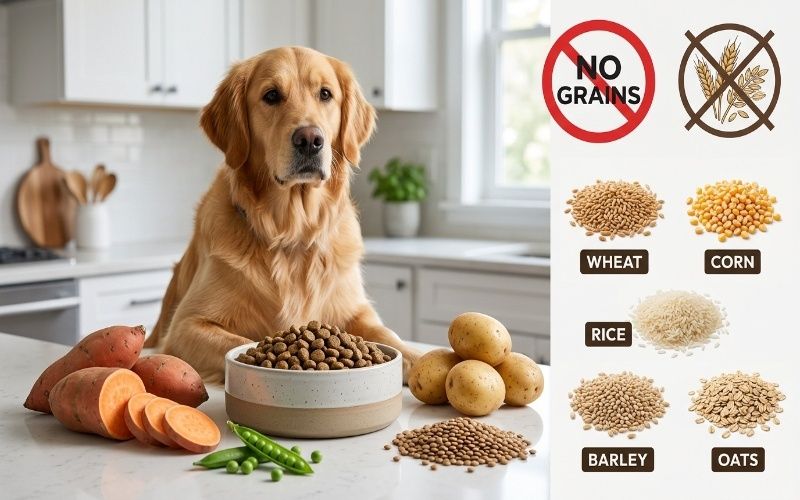
If you’re wondering what is grain free dog food, it’s food made without common grains such as wheat, corn, rice, barley, and oats. These ingredients are often used as sources of carbohydrates in regular dog food. A grain-free recipe leaves them out and uses other ingredients instead.
Grain-free simply means the recipe doesn’t contain grains. It doesn’t mean the food has no carbohydrates. Dogs can still get carbs from ingredients such as potatoes, sweet potatoes, peas, and lentils.
For example, a grain free dry dog food may use sweet potato instead of rice. Both can provide carbohydrates, but they come from different sources.
Common grain free dog food ingredients include sweet potatoes, potatoes, peas, and lentils. Some recipes also use other vegetables or legumes. When choosing one, don’t focus only on the grain-free label. Check the full ingredient list and make sure the food provides complete nutrition for your dog’s age and needs.
If you’re asking is grain free dog food good for dogs, the answer isn’t the same for every dog. Grain-free food can be a good choice for some dogs, but most healthy dogs don’t need to avoid grains. What matters more is whether the food gives your dog complete and balanced nutrition.
Most dogs can eat grains such as rice, corn, wheat, and oats without a problem. There’s no need to remove grains just because they’re seen as unhealthy. If your dog is healthy and doing well on its current food, you don’t need to switch to a grain-free diet without a good reason.
When comparing grain free vs regular dog food, the main difference is the source of carbohydrates.
| Feature | Grain Free | Grain Inclusive |
|---|---|---|
| Wheat | No | May contain |
| Corn | No | May contain |
| Rice | No | May contain |
| Carb sources | Potatoes, peas, etc. | Grains and other sources |
| Suitable for every dog | Not necessarily | Often suitable |
Grain-free food may be useful for a dog with a diagnosed food allergy or sensitivity to a specific grain. However, food allergies can also be caused by proteins such as chicken or beef. So, do dogs need grain free food? Not usually. It’s better to find out what your dog actually needs before changing its diet.
There are some reasons dog owners choose grain-free food, but it isn’t a magic fix. The main benefit is that it can give you more options when your dog needs a different diet. It’s also important to look at the full recipe, not just the words “grain free” on the bag.
Some dogs can react badly to certain ingredients. A grain free dog food for allergies may help if a grain is found to be the problem. However, removing grains doesn’t guarantee that the allergy will go away. Dogs can also react to proteins or other ingredients.
Grain-free recipes often use ingredients such as sweet potatoes, potatoes, peas, or lentils instead of grains. These can provide carbohydrates and other nutrients. For example, a recipe may use sweet potato instead of rice.
Also Read: Joint Care Dog Food
You can find grain-free recipes made with lamb, chicken, fish, or turkey. This can be useful when you’re trying to find a food that suits your dog’s needs. For dogs with a sensitive stomach, the protein source may matter more than whether the food is grain-free. If your dog has ongoing problems, it’s best to ask a vet before changing its diet.
Grain-free food can be a useful choice for some dogs, but it isn’t always the best option. The risks of grain free dog food depend on the full recipe and your dog’s needs. That’s why it’s better to look at the whole food instead of choosing it just because the label says grain free.
Removing grains doesn’t make a dog food healthier by itself. A good food should provide the right balance of protein, fat, vitamins, minerals, and other nutrients. It’s also important to choose a recipe made for your dog’s age and size.
Some grain-free recipes use peas, lentils, chickpeas, or potatoes as major ingredients. These can be useful food ingredients, but the full recipe still matters. Check the ingredient list and nutrition information before buying. Don’t judge a food only by its grain-free label.
You may have heard concerns about grain free dog food and DCM, which is a serious heart condition called dilated cardiomyopathy. Some reports have linked certain grain-free diets with cases of DCM, but the issue is complex. It doesn’t mean that all grain-free food causes heart problems, or that every dog eating it will become ill.
If you’re wondering, can grain free dog food cause heart problems, it’s best to discuss your dog’s diet with a vet, especially if your dog has a heart condition or other health concerns.
Vet advice: Don’t change your dog’s diet for a medical reason without getting advice from a qualified vet.
Choosing the right food isn’t just about finding a bag that says grain free. If you’re learning how to choose grain free dog food, start with your dog’s age, size, activity level, and health needs. A quick look at the label can also tell you a lot about the food.
Look for a clearly named protein such as chicken, lamb, turkey, or fish. Check where it appears in the ingredient list. The right protein can be important when your dog has food sensitivities.
Choose a complete and balanced dog food that is made for your dog’s life stage. This helps ensure your dog gets the nutrients needed for daily health and growth.
Puppies need food made for growth, while adult dogs need food for maintenance. Small and large breeds can also have different needs. Choose a formula that matches your dog’s life stage and size.
Before buying, check the protein, fat, fibre, calories, ingredients, feeding guide, and expiry date. If you’re buying pet food in Pakistan, also check the seal and packaging before paying.
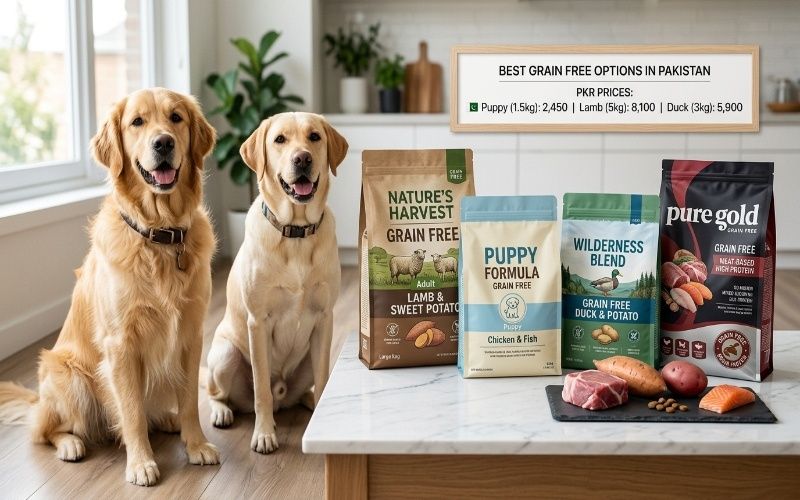
If you’re looking for the best grain free dog food in Pakistan, don’t choose a product only because it says grain free. Check the protein source, your dog’s age, the ingredients, and the food’s nutritional value. You can find several grain free dog food brands in Pakistan, from local pet shops to imported online options.
NorthPaw is one option available to Pakistani dog owners. Its range includes adult formulas, lamb and sweet potato recipes, small bite options, and puppy food. The lamb and sweet potato recipe may suit owners looking for a different protein and carb source. Always check the exact formula and size before buying.
Taste of the Wild offers grain-free dry food with meat and fish based recipes. One 12 kg Wetlands Fowl bag is listed at Rs. 29,000 by BirdAgents, although it was sold out when checked.
Josera has grain-free recipes based on animal protein and potato. It’s worth considering for adult dogs when the recipe matches their nutritional needs.
Depending on stock, you may also find Blue Buffalo Freedom, Odin Grain Free, Open Farm, and other imported recipes. Prices can vary a lot due to bag size, imports, and seller costs.
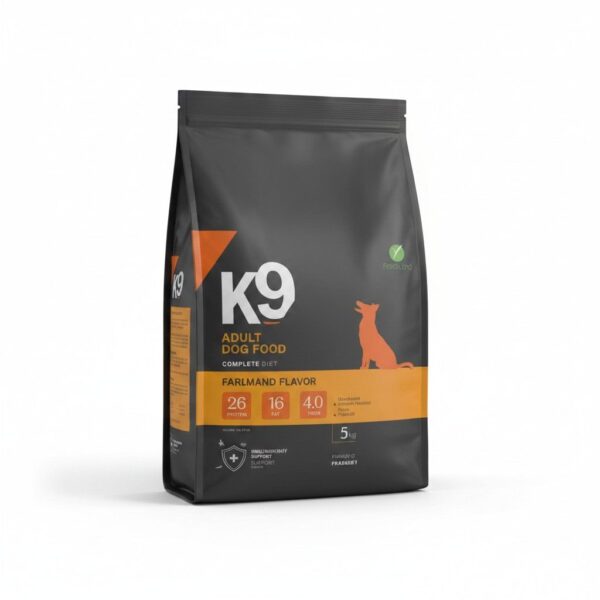
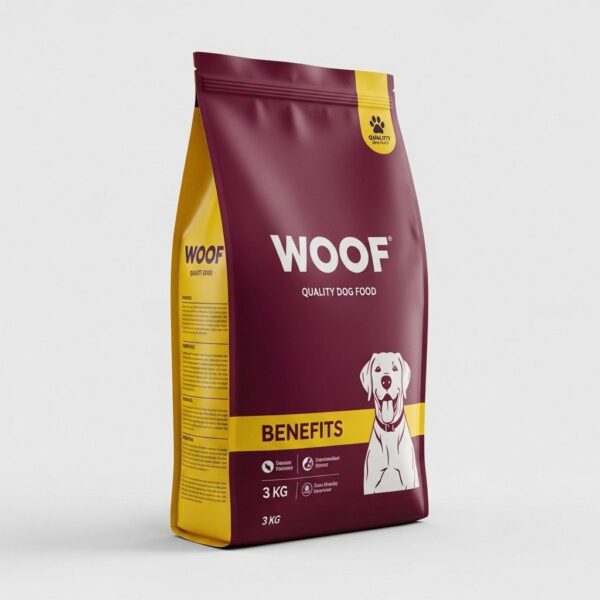
Every dog has different food needs, so the same recipe won’t suit every pet. When choosing grain-free food, think about your dog’s age, size, activity, and any food problems they may have.
Grain free dog food for puppies should be made for growth and development. Puppies need the right balance of nutrients as they grow. A food isn’t suitable just because it’s grain-free. Check that the recipe is made for puppies and meets their growth needs.
For grain free adult dog food, consider your dog’s age, weight, activity level, and daily calorie needs. An active dog may need a different amount of food than a less active one.
Grain free dog food for sensitive stomach problems may help some dogs, but it isn’t a guaranteed fix. Your dog could be reacting to another ingredient, such as a protein source.
If your dog has an allergy, don’t assume grains are the cause. A vet can help find the real trigger and suggest the right diet.
Case Study: if your dog in Pakistan often has loose stools after eating, don’t simply buy any grain-free bag. Check the ingredients and speak with a vet before making a major food change.
Dogs have different needs, so choosing food based on age and health is important. A grain-free label alone doesn’t tell you if a food is right for your pet.
Grain free dog food for puppies should be made for growth. Puppies need enough protein, fat, vitamins, and minerals to support their growing bodies. Always check the label to make sure the food is made for puppies. Grain-free by itself doesn’t make a food suitable for young dogs.
When choosing grain free adult dog food, think about your dog’s age, weight, activity, and daily calorie needs. An active dog may need more food than a dog that spends most of the day resting.
Grain free dog food for sensitive stomach problems may help some dogs, but it isn’t a guaranteed solution. Digestive problems can come from many causes, including another ingredient in the food.
Don’t assume grains are causing your dog’s allergy. Dogs can react to proteins and other ingredients too. If your dog has ongoing itching, vomiting, or digestive problems, a vet can help find the real cause and suggest a suitable diet.
A sudden change in food can upset your dog’s stomach. If you’re learning how to switch dog food, it’s better to make the change slowly. This can make changing dog food easier for your pet. If you’re buying a new formula from Petalicious Store, use the same slow approach when changing your dog’s food.
Try this simple plan:
If you notice vomiting, diarrhoea, or other stomach problems, slow the change down and speak with your vet if the problem continues. This is especially important when using grain free dog food for sensitive stomach problems. If your dog has a diagnosed allergy or medical condition, follow your vet’s diet advice.
Choosing grain free dog food isn’t about finding a food with the biggest grain-free label. It’s about finding a complete and balanced diet that suits your dog’s age, size, activity, and needs. If you’re comparing the best grain free dog food in Pakistan, check the ingredients, nutrition, pack size, price, and current availability before buying. Grain-free isn’t automatically better, and some dogs may not need it at all. If your dog has allergies, stomach problems, or other health concerns, it’s best to speak with a vet before changing its diet. A little care now can help you make a better food choice for your dog.
Not necessarily. The best food depends on your dog’s age, health, activity, and nutritional needs. Grain-free doesn’t automatically mean better.
Most healthy dogs don’t need a grain-free diet just because it has no grains. If your dog is doing well on a complete and balanced food, there’s usually no need to change it without a clear reason.
There have been concerns about some grain-free diets and DCM, a serious heart condition. However, this doesn’t mean all grain-free food causes heart problems. If you’re worried, speak with your vet.
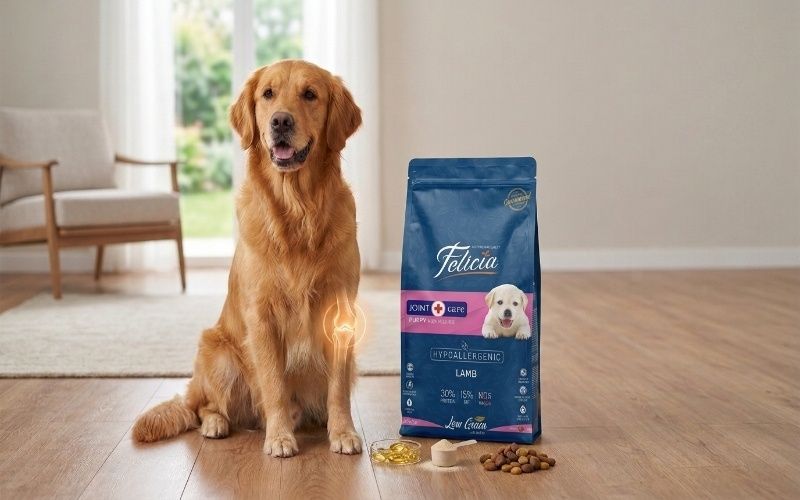
If your dog is slower getting up, avoids stairs, or isn’t as active as before, you may start looking at its food. Joint Care Dog Food is made with nutrients that can support healthy joints, bones, and movement. It can be useful for large breeds, older dogs, active dogs, and dogs that carry extra weight. However, food alone can’t fix every joint problem. If your dog is in pain or suddenly has trouble walking, it’s best to speak with a vet. In this guide, we’ll look at the best joint care dog food, key ingredients to check, and how to choose dog food for joint health.
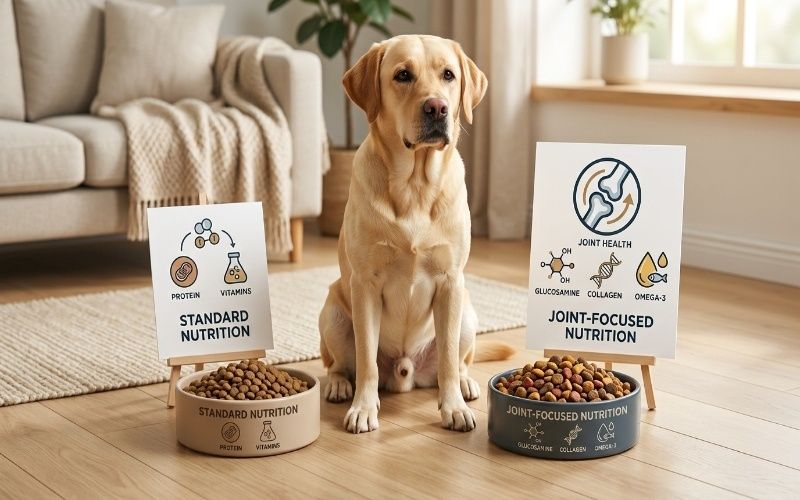
Joint care dog food is made to give dogs complete nutrition while also providing nutrients that support healthy joints and cartilage. It’s not a special food for only old or sick dogs. Some formulas are made for puppies, adults, or large breeds, so it’s important to choose one that fits your dog’s needs.
Regular dog food is made to meet a dog’s basic nutrition needs. Joint support dog food may include extra nutrients that support joints, cartilage, and normal movement. These can include ingredients such as glucosamine, chondroitin, collagen, or omega 3 fatty acids. However, every brand uses a different recipe, so don’t assume all joint care foods are the same.
Large breeds, senior dogs, active dogs, and dogs carrying extra weight may need more attention to joint health. For example, a Labrador that runs and plays every day may have different needs from a small dog that takes short walks. Dog food for healthy joints can be part of a balanced diet, but it shouldn’t replace advice from a vet when a dog has pain or trouble moving.
| Regular Dog Food | Joint Care Dog Food |
|---|---|
| Provides general nutrition | Provides nutrition with a joint support focus |
| Formula varies by brand | May include joint support nutrients |
| Suitable for many healthy dogs | May suit dogs needing extra joint support |
When choosing Joint Care Dog Food, don’t only look at the words on the front of the bag. Check the ingredient list too. Different brands use different recipes, and some may offer more joint support than others. A good formula should also provide complete nutrition for your dog’s age and size.
Glucosamine and chondroitin are common in dog food with glucosamine and chondroitin. They’re linked to the normal health of cartilage and joints. They may be useful as part of a balanced diet, but they shouldn’t be seen as a cure for arthritis or other joint problems.
Collagen is a protein found in many parts of the body, including connective tissues. Some formulas use hydrolysed collagen as part of their joint support. If you’re looking for dog food with collagen for joint health, check the product label to see what type and amount is included.
Omega 3 fats, including EPA and DHA, can support normal joint health. Fish oil is a common source. Omega 3 dog food for joint health can be a useful choice when it also meets your dog’s other nutrition needs.
Don’t forget the basics. Quality protein helps support muscles, while vitamins, minerals, antioxidants, and suitable calories help provide a balanced diet. Keeping your dog’s weight under control is also important for healthy movement.
| Ingredient | Simple benefit |
|---|---|
| Glucosamine | Supports normal joint structure |
| Chondroitin | Supports cartilage |
| Collagen | Supports connective tissues |
| Omega 3 | Supports normal joint health |
| Protein | Helps support muscles |
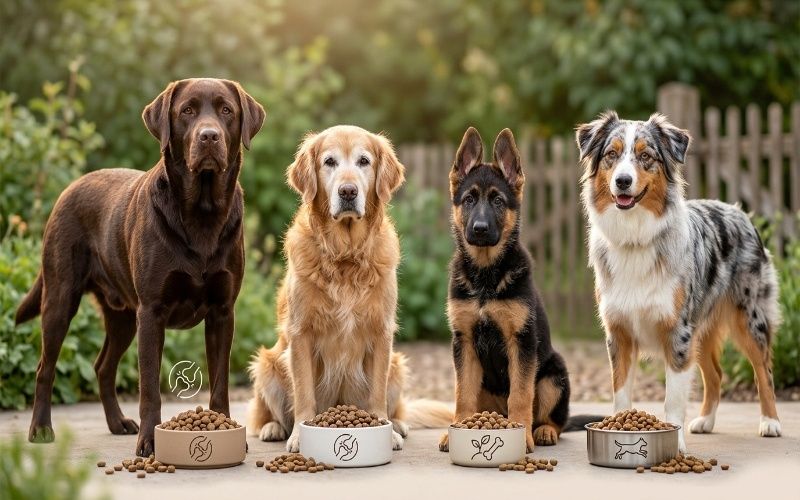
There isn’t one joint care food that’s right for every dog. Your dog’s age, size, activity level, and weight all matter. A puppy needs food that supports growth, while an older dog may need fewer calories. So, when choosing joint care dog food for large breeds, senior dogs, or puppies, always check the full nutrition label.
Large dogs put more weight on their joints as they walk, run, and play. A good joint care dog food for large breeds should provide complete nutrition and suitable joint support. Keeping your dog at a healthy weight is also important. Royal Canin Large Joint Care is one example made for large adult dogs.
Older dogs may become less active over time. This means they may need fewer calories to help maintain a healthy weight. Joint care dog food for senior dogs should provide balanced nutrition while supporting normal movement. Look for a formula made for older dogs rather than choosing food based only on joint ingredients.
Puppies need nutrients for healthy growth and bone development. Medium and large puppies have special needs as they grow. Joint care food for puppies should be made for their growth stage and expected adult size. Felicia Joint Care Puppy Food is one option available in Pakistan. Don’t switch a puppy to adult joint-care food just because it contains joint support ingredients.
Active dogs use their muscles and joints more during daily play, walks, and exercise. Their food should provide enough energy and good quality protein. Joint support can be helpful, but it’s not the only thing to consider.
For example, a large-breed puppy in Pakistan needs food made for growth and its breed size. An adult joint-care formula may not be suitable just because it contains joint-support nutrients.
| Dog Type | Main Focus |
|---|---|
| Large breed | Joint support and healthy weight |
| Senior | Joint support and suitable calories |
| Puppy | Growth and bone development |
| Active dog | Energy and joint support |
Finding the best joint care dog food isn’t only about picking a well-known brand. Your dog’s age, size, weight, and daily activity should guide your choice. If you’re shopping for joint care dog food in Pakistan, it’s also worth checking the seller, product date, and current price before you order.
Start with the basics. Puppies need food made for growth, while adult and senior dogs have different needs. Breed size matters too. Small, medium, and large dogs may need different levels of calories and nutrients.
Don’t judge a food only by the front of the bag. Check the full label and look for ingredients such as:
The exact formula can vary between brands, so it’s useful to compare the labels.
Overfeeding can lead to extra weight, which may put more pressure on your dog’s joints. Follow the feeding guide on the pack and adjust portions based on your dog’s needs.
When checking the joint care dog food price in Pakistan, look at more than the price tag. Check the bag size, expiry date, stock, seller reputation, delivery charges, and storage conditions.
For example, Royal Canin Joint Care may suit a large adult dog, while Felicia Joint Care Puppy Food is made for medium and large puppies. The right choice depends on your dog’s needs, not just the brand name.
| Product | Best suited for | Size | Price |
|---|---|---|---|
| Royal Canin Joint Care | Large adult dogs | Varies | Check current price |
| Felicia Joint Care Puppy | Medium and large puppies | Varies | Check current price |
Choosing good dog food for joint health is only one part of caring for your dog. How you feed it and how your dog moves each day also matter. Whether you’re using dog food for joint problems or simply want to support healthy movement, keep your dog’s daily routine simple and steady.
Food can support nutrition, but it can’t replace proper veterinary care. Speak with a vet if your dog is limping, stiff, struggling to stand, having trouble with stairs, avoiding walks, suddenly becoming less active, or showing signs of pain.
Dog food for mobility can be part of a healthy routine, but if your dog has ongoing joint problems, it’s best to find out what’s causing them before relying on food alone.
Choosing the right Joint Care Dog Food isn’t just about picking a bag that says “joint care”. Your dog’s age, breed size, activity, weight, and daily needs all matter. Check the ingredients and feeding guide, then compare trusted products from reliable sellers in Pakistan. Price is useful to consider, but it shouldn’t be the only reason you choose a food. The best joint care dog food is one that fits your dog’s needs and provides complete nutrition. If your dog is limping, in pain, or struggling to move, it’s best to speak with a vet.
It can be a good choice when the formula matches your dog’s age, size, and needs. Joint Care Dog Food may provide nutrients that support normal joint health and movement.
Common ingredients include glucosamine, chondroitin, collagen, and omega 3 fatty acids. The amount and type can vary between products, so check the food label before buying.
Yes, but the food should be made for puppies and their growth needs. Large and medium breed puppies need the right balance of nutrients as they grow. Don’t choose an adult formula just because it has joint-support ingredients.
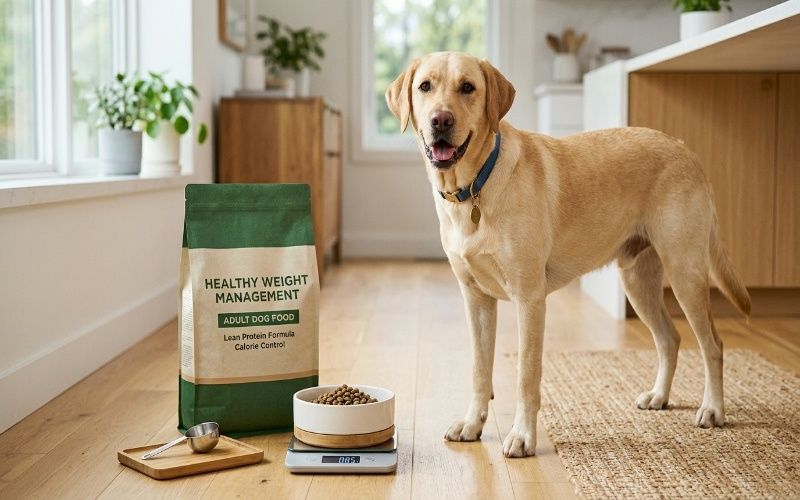
Keeping a dog at a healthy weight isn’t always easy. Too much food, extra treats, or less daily activity can slowly lead to weight gain. Weight Management Dog is made for dogs that need better control over their daily calorie intake. Its formula has controlled calories, lower fat, fibre, and protein to support a healthy body weight. Weight Management Dog Food may be a useful choice for adult dogs that gain weight easily or need to maintain their weight after losing excess weight. In this guide, we’ll look at its benefits, ingredients, feeding amounts, and Weight Management Dog Food Pakistan price. You’ll also learn what to check before buying it and how to use it as part of a sensible weight management plan.
Specific CRD-2 Weight Control Dog Food is a specialised diet made for dogs that need help managing their daily calorie intake. It has controlled energy and lower fat than many regular dog foods. The formula also provides protein and fibre, along with L-carnitine and omega-3 fatty acids.
In simple words, Specific Weight Control Dog for overweight dogs can be part of a planned diet when a dog needs better weight control. However, food alone won’t solve every weight problem. The amount you feed, treats, exercise, age, and daily routine all matter too.
This food is mainly aimed at adult dogs that need to maintain a healthy body weight. It can also be useful for dogs that tend to gain weight easily or need to maintain their weight after losing excess weight.
It’s worth looking at your dog’s daily routine before choosing a dog weight management food. For example, a dog that spends most of the day indoors may use fewer calories than a highly active working dog. Dogs living in flats or homes with limited outdoor space may also have lower activity levels.
If you’re unsure whether this diet is right for your dog, especially if your dog has a health problem, it’s best to speak with a vet first.
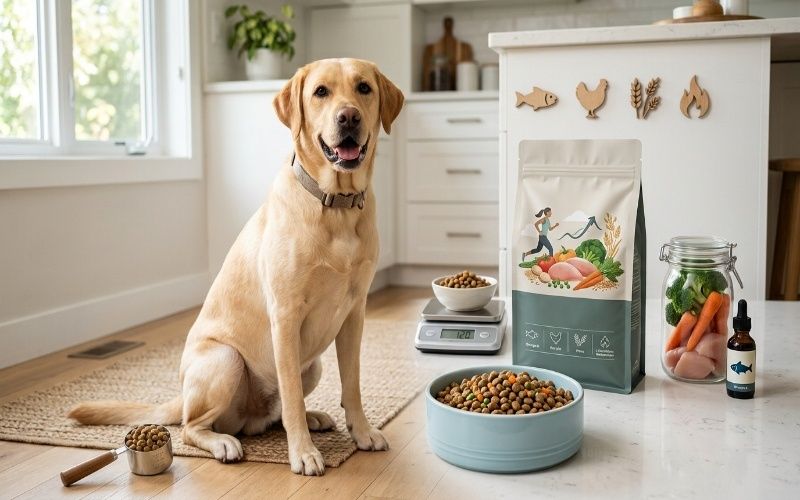
Choosing the right Weight Management Dog Food isn’t only about finding fewer calories. The food should also provide enough nutrients to support your dog’s body while you manage its weight. Specific Weight Control Dog is made with this goal in mind, using controlled energy, lower fat, fibre, protein, L-carnitine, and omega-3 fatty acids.
When a dog eats more calories than it uses, the extra energy can lead to weight gain. A calorie-controlled diet can make it easier to manage the amount your dog eats each day. The lower fat level also helps keep the total energy of the meal under control. This makes it a useful option when looking for low calorie dog food for weight loss.
Fibre adds bulk to food without adding a large amount of energy. It can help your dog feel satisfied after a meal. This can be helpful when you’re trying to stick to measured portions. A high fibre dog food for weight control can also make a controlled feeding routine easier to follow.
Protein is important for helping dogs maintain lean muscle. This matters when you’re working on healthy weight control, as you don’t want the diet to focus only on reducing body weight. L-carnitine is also included in the formula and is linked with normal fat metabolism.
Omega-3 fatty acids are useful nutrients in a balanced dog diet. Specific Weight Control includes sources of omega-3 to support overall nutrition while your dog’s food intake is being managed.
| Nutrient | Amount |
|---|---|
| Energy | 317 kcal |
| Protein | 23.8 g |
| Fat | 5.9 g |
| Crude fibre | 6.5 g |
| Omega-3 | 0.56 g |
| L-carnitine | 30 mg |
The formula contains wheat, fish meal, maize protein, cellulose powder, beet pulp, egg powder, fish oil, Antarctic krill, potato protein, psyllium husk, and L-carnitine.
Fish meal, egg powder, maize protein, and potato protein provide different sources of protein. Protein is important for supporting your dog’s muscles. Cellulose, beet pulp, and psyllium husk add fibre to the food, which can help make meals more filling. Fish oil and Antarctic krill provide sources of omega-3 fatty acids. L-carnitine is included as part of the formula to support normal fat metabolism.
Looking at Specific Weight Control Dog nutritional information can help you compare the food with other options. The energy level tells you how many calories the food provides, while protein and fat show some of its main nutrients. Fibre is also important in a weight control diet.
The Specific Weight Control Dog calories per 100g are 317 kcal. The formula also provides 23.8 g of protein, 5.9 g of fat, and 6.5 g of crude fibre per 100 g.
| Ingredient or Nutrient | Simple explanation |
|---|---|
| Fish meal | Provides protein |
| Cellulose | Adds fibre |
| Beet pulp | Fibre source |
| Fish oil | Provides omega-3 |
| Psyllium husk | Adds dietary fibre |
| L-carnitine | Supports normal fat metabolism |
Getting the portion right is just as important as choosing the food. If you’re wondering how much Specific Weight Control should I feed my dog, start with your dog’s weight and the feeding guide on the pack. The amounts below can help you get an idea of daily portions, but your dog’s needs may be different.
Use this Specific Weight Control Dog feeding chart as a general guide:
| Dog Weight | Daily Amount |
|---|---|
| 5 kg | 95 g |
| 10 kg | 160 g |
| 20 kg | 270 g |
| 30 kg | 365 g |
| 40 kg | 455 g |
| 50 kg | 540 g |
| 60 kg | 620 g |
| 80 kg | 765 g |
These amounts aren’t the same for every dog. Age, activity, living conditions, body condition, and individual needs can all affect how much food your dog needs. If your dog is gaining or losing weight too quickly, speak with your vet about the right portion.
A few simple habits can make weight control easier:
Weight control and active weight loss aren’t always the same thing. A dog that has reached a healthy weight may need a diet that helps maintain it. An overweight dog may need a different feeding plan to safely lose excess weight.
Example: A 25 kg adult dog that gets little exercise may gain weight from large meals and frequent treats. Measuring each meal and cutting back on extra snacks may help manage its daily calorie intake.
This is only an example. Your dog’s feeding plan should be based on its own needs, and a vet can give advice if weight loss is needed.

If you’re checking the Specific Weight Control Dog Price in Pakistan, keep in mind that the cost can change from one seller to another. The final price may depend on the bag size, stock, delivery charges, promotions, and import costs. It’s a good idea to compare the current price before placing an order.
The price of Weight Management Dog Pakistan can also vary based on the pack size you choose. A larger bag may cost more at checkout, but it can be more practical if your dog eats this food regularly. Always check the current product price rather than relying on an old listing.
You can also check trusted pet retailers such as Petalicious Store when comparing availability and prices. However, price shouldn’t be the only thing you look at when choosing the best Weight Management Dog in Pakistan.
Before ordering, take a few minutes to check:
For example, two Pakistani online pet stores may show different prices for the same food because one has limited stock or a different pack size. Comparing the full cost can help you avoid paying more than expected.
Specific Weight Control Dog can be a useful choice for adult dogs that need support with healthy weight management. Its controlled calorie and fat levels, along with protein and fibre, can fit into a sensible feeding plan. However, choosing the right dog weight management food is only one part of keeping your dog healthy. Portion size, treats, and daily activity matter too.
If you’re choosing dog food for overweight dogs, pay attention to your dog’s age, activity, body condition, and overall health. Measure meals instead of guessing, keep treats limited, and check your dog’s weight regularly. If your dog is very overweight or has a health problem, speak with a vet before making major changes to its diet.
It can be a suitable option for some adult dogs that need help managing their weight. However, dog food for overweight dogs is only one part of the plan. Portion size, treats, daily activity, and your dog’s health also matter.
Specific Weight Control vs Weight Reduction depends on the dog’s goal. Weight control may be used to help maintain a healthy weight, while an active weight reduction plan is aimed at helping an overweight dog lose excess weight. Your vet can help decide which approach is right.
Start with the feeding chart on the pack and use the Specific Weight Control Dog feeding guide as a starting point. Your dog’s age, activity, weight, and body condition can change its needs.

Is your dog looking too thin or losing weight? The right Weight Gain Dog Food can help, but simply giving your dog more food isn’t always the answer. A good dog food for weight gain should provide enough calories, protein, healthy fats, and other key nutrients.
The best choice depends on your dog’s age, size, activity level, and health. For example, an active dog may need more food than a less active dog. The goal is healthy weight gain for dogs, not just extra body fat. If your dog is losing weight without a clear reason, it’s best to speak with a vet before changing its diet.
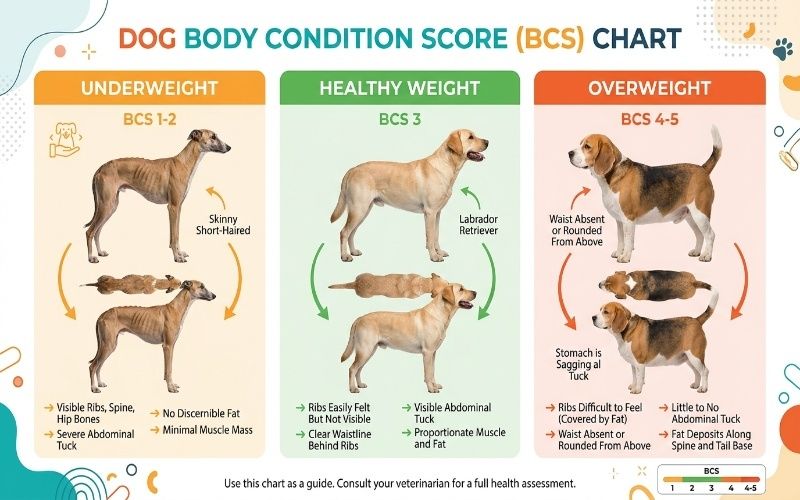
Before choosing dog food for underweight dogs, it’s important to know if your dog really needs to gain weight. A number on the weighing scale doesn’t tell the whole story. Two dogs of the same breed and weight can have very different body shapes. You should also look at your dog’s ribs, waist, hips, and overall muscle.
Your dog may be too thin if you notice several of these signs:
If your dog’s ribs are easy to feel but aren’t sticking out, that can be normal. You shouldn’t try to make a healthy dog heavier just because you can feel its ribs.
A body condition score for dogs is a simple way to check whether a dog is too thin, at a healthy weight, or carrying too much fat. You don’t need special tools to get a basic idea.
Look at your dog from the side and from above. A healthy dog should have a visible waist when viewed from above. You should also be able to feel the ribs without pressing hard. If the ribs, hips, or backbone are very easy to see, your dog may be underweight.
If you’re unsure, ask a vet to check your dog’s body condition. This is especially important if your dog has lost weight without a clear reason. The vet can help you decide whether underweight dog food is needed or if another issue needs attention.
Suggested table:
| Sign | What it may mean |
|---|---|
| Very visible ribs | Your dog may be too thin |
| Visible hip bones | Your dog may have low body fat |
| Very narrow waist | Your dog may need a weight check |
| Ribs easy to feel | Often normal in a healthy dog |
| Recent weight loss | May need a vet check |
If you’re asking, why is my dog losing weight, don’t assume that food is always the problem. Some dogs need more calories, but weight loss can happen for many reasons. Looking at your dog’s eating habits, daily activity, and recent changes can help you understand what may be going on.
Some dogs simply don’t eat enough food to meet their daily needs. This can happen when meals are too small, the dog has a poor appetite, or it doesn’t like the food. Over time, eating fewer calories than the body needs can lead to weight loss.
Active dogs use more energy than dogs that spend most of the day resting. Working dogs, sporting dogs, and very playful dogs may need more calories to maintain their weight. If their food intake doesn’t match their activity, they may slowly become thinner.
For example, a very active Labrador in Lahore may burn much more energy each day than a less active adult dog. Feeding both dogs the same amount may not give them the same results. This is only an example, as each dog’s needs are different.
Sometimes a dog eats a normal amount but still doesn’t gain weight. The food may not provide enough calories for that dog’s needs. Checking the calorie content can help you compare different options before choosing Weight Gain Dog Food.
Some dogs eat less when their routine changes. Moving house, loud noise, a new pet, or other changes can affect their appetite. Picky eaters may also leave food in their bowl instead of eating a full meal.
Weight loss can sometimes point to a health problem. Parasites, dental pain, digestive issues, diabetes, and other illnesses may affect a dog’s weight or appetite.
If your dog is losing weight but eating normally, don’t try to fix the problem with food alone. Sudden or ongoing weight loss needs attention. A vet can check your dog and help find the cause. Once you know what’s causing the problem, you’ll have a better idea of how to help your dog gain weight safely.
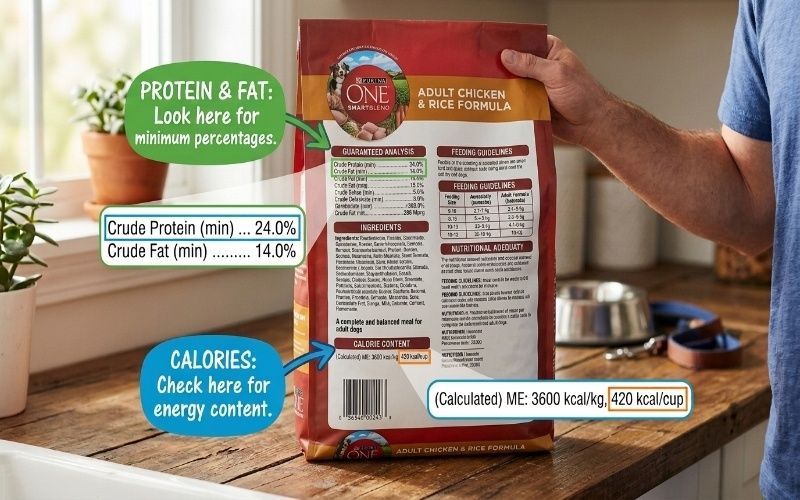
Choosing the best dog food for weight gain isn’t just about finding the bag with the highest protein or fat. A good food should give your dog enough energy while still providing balanced nutrition. Before buying Weight Gain Dog Food, take a few minutes to read the label. The right choice should match your dog’s age, size, activity level, and daily needs.
Calories tell you how much energy the food provides. A high calorie dog food can be useful for dogs that need more energy but can’t eat large meals.
Check the label for calorie information such as:
A food with more calories in a smaller serving can make it easier to increase your dog’s energy intake. This can be useful for very active dogs or dogs with a small appetite. Still, don’t increase portions too quickly. Your dog’s meals should be adjusted based on its needs.
Protein helps support muscles and normal body function. This is important when your goal is healthy weight gain rather than simply adding body fat.
A high protein dog food for weight gain can be helpful, but more protein isn’t always better. Look for a complete food that provides a good balance of protein, fat, vitamins, and minerals.
Fat is a concentrated source of energy. This means a food can provide more calories without making the meal much bigger. Healthy fat sources can be useful when a dog needs extra energy.
However, don’t choose a food just because it has a very high fat level. Too much fat may not suit every dog and can cause stomach problems in some cases.
Weight gain shouldn’t come at the cost of good nutrition. Check that the food is made to provide complete and balanced nutrition for your dog’s life stage.
A food that only looks good because of its protein or fat numbers may not be the best choice. Your dog still needs a range of nutrients to stay healthy.
Your dog needs to eat and digest the food well for it to support weight gain. If your dog refuses the food, it won’t provide much benefit. The same is true if the food regularly causes loose stools or stomach upset.
Choose a food your dog enjoys and handles well. If you’re changing foods, make the change slowly to help your dog adjust.
| What to check | Why it matters |
|---|---|
| Calories | Provides energy for weight gain |
| Protein | Helps support lean muscle |
| Healthy fats | Provides concentrated energy |
| Balanced nutrition | Supports overall health |
| Digestibility | Helps your dog use the nutrients |
| Palatability | Makes it easier for your dog to eat |
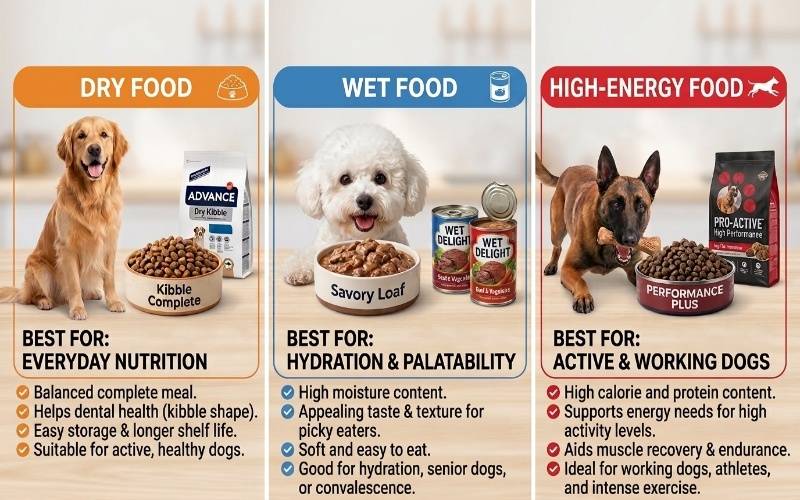
There isn’t one type of food that works for every dog. The right choice depends on your dog’s age, appetite, activity level, and daily needs. Some dogs do well with calorie-rich dry food, while others eat better when wet food is added to their meals. Knowing the difference can make choosing food much easier.
Dry food is easy to store, measure, and serve. A high calorie food for dogs can be a useful choice when your dog needs more energy but doesn’t eat large portions. Check the calorie content on the label rather than choosing a food only because it says “high energy”.
Wet food can be useful for dogs that are picky eaters. It often has a stronger smell and softer texture, which may make it more appealing. It also contains more moisture than dry food. You can serve it on its own or use a suitable wet food as a meal topper.
Dogs that need extra energy may benefit from food with a suitable level of protein and fat. Protein helps support muscle, while fat provides more energy in a smaller serving. A high fat dog food for weight gain should still offer balanced nutrition and be suitable for your dog’s needs.
Puppy food is often made to support growth and can be higher in calories than some adult foods. It can be a good choice for puppies that need to gain weight as they grow. However, don’t use puppy food for an adult dog just because it’s more calorie-rich. Adult dogs have different nutrition needs.
Very active dogs burn more energy each day. Working dogs, sporting dogs, and dogs that exercise a lot may need food that provides extra calories. A suitable high-energy formula can help meet those needs without forcing the dog to eat very large meals.
Once you’ve chosen suitable food, the next step is to build a simple feeding routine. Knowing how to make a dog gain weight isn’t about giving huge meals. Slow and steady changes are usually easier for your dog to handle. Your goal should be to help your dog gain weight while keeping meals balanced and easy to digest.
Some underweight dogs struggle with large meals. Try splitting the daily amount into smaller meals instead of giving too much food at once. This can make meals easier to eat and may help dogs with smaller appetites.
Keep fresh water available throughout the day and try to feed your dog at similar times each day.
Don’t suddenly double your dog’s food. A quick change can lead to loose stools, vomiting, or other stomach problems. Increase the amount slowly and watch how your dog responds.
If you’re changing to a new food, mix it with the old food and make the switch over several days.
If you’re wondering what to feed an underweight dog that doesn’t want to eat, focus on making meals more inviting without adding random foods.
You can:
Don’t rely only on how your dog looks. Weigh your dog regularly if you can, and keep a simple record of the results. You can also check the ribs, waist, and overall body shape.
If your dog isn’t gaining weight or continues to lose weight, speak with a vet. The feeding plan may need to be changed based on your dog’s health and needs.
Table scraps aren’t a good way to put weight on a dog. Fatty leftovers and other human foods may add extra calories without giving your dog balanced nutrition. Some foods can also be unsafe for dogs.
For dog owners in Pakistan, you’ll find many imported high-calorie foods online and in local pet shops. Don’t choose a product just because the pack says “weight gain” or “high protein”. Compare the calorie content, protein, fat, feeding guide, and life stage information on the label.
| Step | What to do |
|---|---|
| 1 | Choose suitable balanced food |
| 2 | Split meals into smaller portions |
| 3 | Increase food slowly |
| 4 | Track weight and body shape |
| 5 | Contact a vet if weight loss continues |
Finding the best Weight Gain Dog Food in Pakistan isn’t only about choosing the most expensive bag on the shelf. You need to check what the food offers and whether it suits your dog. Prices and product choices can also vary between local pet shops and online stores, so it’s worth comparing a few options before buying.
Before you place an order or visit a pet shop, check the food label carefully. Look at:
Both types can have a place in your dog’s diet. The better choice depends on your dog’s needs and eating habits.
| Food type | Best for | Main benefit |
|---|---|---|
| Dry food | Daily meals | Easy to store and measure |
| Wet food | Picky eaters | Often more appealing |
| High-energy food | Active dogs | Provides more calories |
| Puppy food | Growing puppies | Made for growth needs |
The dog food for weight gain price in Pakistan can vary a lot. Brand, bag size, food type, imported or local status, and calorie content can all affect the cost.
Don’t compare bags by price alone. For example, if one 10 kg bag costs more but provides more calories per 100g, it may offer better value for a dog that needs extra energy.
When comparing products in Pakistan, check both price per kg and calories per 100g. This gives you a clearer idea of what you’re paying for. Also, buy from a trusted seller and check the packaging before feeding the food to your dog.
Finding the best Weight Gain Dog Food in Pakistan isn’t only about choosing the most expensive bag on the shelf. You need to check what the food offers and whether it suits your dog. Prices and product choices can also vary between local pet shops and online stores, so it’s worth comparing a few options before buying. You can also check trusted pet retailers such as Petalicious Store when looking for dog food options.
Before you place an order or visit a pet shop, check the food label carefully. Look at:
Both types can have a place in your dog’s diet. The better choice depends on your dog’s needs and eating habits.
| Food type | Best for | Main benefit |
|---|---|---|
| Dry food | Daily meals | Easy to store and measure |
| Wet food | Picky eaters | Often more appealing |
| High-energy food | Active dogs | Provides more calories |
| Puppy food | Growing puppies | Made for growth needs |
The dog food for weight gain price in Pakistan can vary a lot. Brand, bag size, food type, imported or local status, and calorie content can all affect the cost.
Don’t compare bags by price alone. For example, if one 10 kg bag costs more but provides more calories per 100g, it may offer better value for a dog that needs extra energy.
When comparing products in Pakistan, check both price per kg and calories per 100g. This gives you a clearer idea of what you’re paying for. Also, buy from a trusted seller and check the packaging before feeding the food to your dog.
Helping your dog gain weight takes more than simply adding extra food to the bowl. Start by checking your dog’s body condition, then choose balanced food that provides the right amount of calories and nutrients. Feed meals in a steady routine and keep track of your dog’s progress.
If your dog keeps losing weight, has a poor appetite, or seems unwell, don’t wait too long to get help. A vet can find the cause and guide you towards a safe feeding plan. With the right food, regular care, and a little patience, you can help your dog reach a healthier weight.
The best food depends on your dog’s age, size, activity, and health. Look for balanced food with enough calories, protein, and healthy fats.
A complete and balanced dog food to help gain weight can be a good starting point. Choose a food that provides enough calories for your dog’s daily needs.
It can help support healthy muscle, but protein alone isn’t enough. Your dog’s food should also provide suitable calories, fats, vitamins, and minerals.
Choose a high calorie dog food that is complete and balanced for your dog’s life stage. Check the calories per 100g or serving on the label.

Choosing Poodle Dog Food can be confusing when there are so many brands and formulas to choose from. The best dog food for Poodles depends on your dog’s age, size, weight, activity, and daily needs. A Toy Poodle may need different food and portions than a Standard Poodle. Your dog’s health and eating habits matter too. In this guide, we’ll explain what to look for and how to choose the best Poodle dog food for your dog in Pakistan.
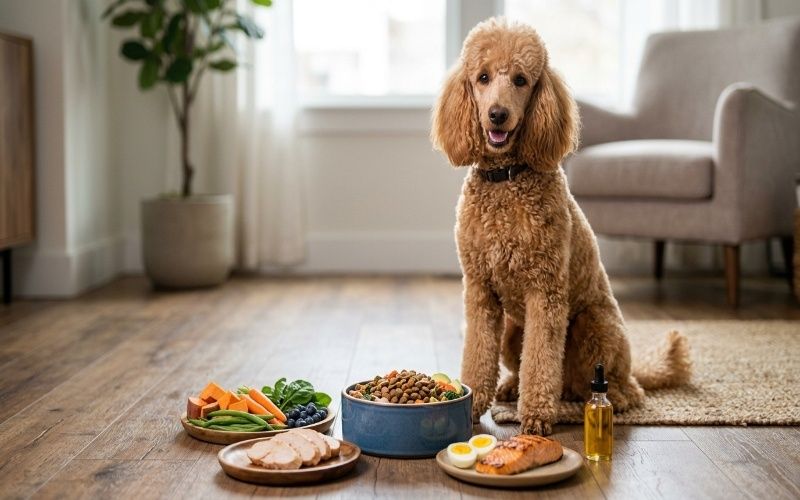
When choosing Poodle Dog Food, don’t focus only on the brand or price. Look at what the food provides. A good formula should offer complete and balanced nutrition for your dog’s age, size, and activity level. If you’re wondering, what should I feed my Poodle, start by checking the food label and choosing a formula made for your dog’s life stage.
Protein helps your Poodle build and maintain strong muscles. It also supports growth and helps the body repair tissues. Look for high-quality protein from sources such as chicken, turkey, fish, or lamb.
This is an important part of Poodle nutrition, especially for active dogs. However, more protein doesn’t always mean better food. A balanced formula matters more than one nutrient alone. For Poodle adult dog food, choose a recipe that provides the right balance of protein, fat, calories, vitamins, and minerals.
A healthy coat starts with good nutrition. Poodle food for healthy coat support should include useful fats and omega-3 fatty acids. Fish oil is one common source.
These nutrients can help support normal skin and keep the coat looking healthy. Still, food isn’t a cure for every skin problem. If your Poodle has ongoing itching, hair loss, or sore skin, it’s best to speak with a vet.
Fibre can support normal digestion and healthy stools. Vitamins and minerals also play a key role in keeping your dog healthy.
When comparing healthy food for Poodles, look for a complete and balanced dog food that provides all the key nutrients your dog needs.
| Nutrient | Why it matters |
|---|---|
| Protein | Supports muscles and growth |
| Healthy fats | Supports energy, skin, and coat |
| Fibre | Supports normal digestion |
| Vitamins and minerals | Supports overall health |
| Appropriate calories | Helps maintain a healthy weight |
A Poodle’s food needs change as it grows. A young puppy is building bones, muscles, and other parts of the body, while an adult dog needs food that helps it stay at a healthy weight. Older dogs may also need fewer calories as they become less active. Choosing food for the right life stage can help your Poodle get the care it needs at each age.
The best food for Poodle puppies should be made for growth and development. Good Poodle puppy food should provide the energy and nutrients a growing puppy needs.
Puppies also have small stomachs, so they often do better with smaller meals spread through the day. Toy, Miniature, and Standard Poodle puppies grow at different rates, so their food and portions may not be the same. Check the feeding guide on the pack and adjust portions as your puppy grows.
For an adult dog, Poodle adult dog food should help maintain a healthy weight and support an active lifestyle. The right amount of food depends on your Poodle’s size, daily exercise, and body condition.
If your Poodle spends most of the day indoors, it may need fewer calories than a dog that gets plenty of daily exercise. The best dog food for adult Poodles isn’t always the most expensive one. What matters is finding a complete food that suits your dog’s needs.
As Poodles get older, they may become less active. Senior Poodle food can be useful when an older dog needs fewer calories or a diet that is easier to manage.
Poodle senior nutrition should also take your dog’s health into account. If you’re changing food for an older Poodle, especially because of weight, digestion, or another health concern, it’s best to ask your vet first.
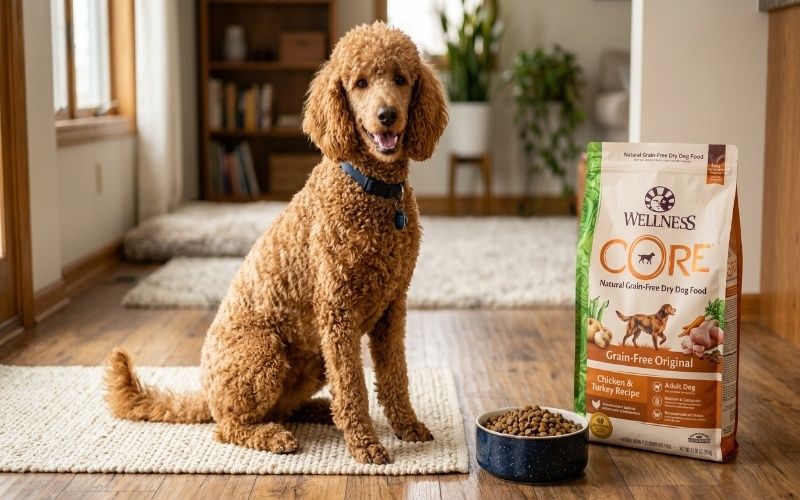
Poodles come in three main sizes, and their food needs can be different too. A Toy Poodle eats much smaller meals than a Standard Poodle, so you shouldn’t use the same portion for both dogs. When choosing food, think about your Poodle’s size, weight, activity, and the size of the kibble. This can make daily feeding easier and help you avoid giving your dog too much or too little food.
Toy Poodles have small bodies and need carefully measured meals. The best food for Toy Poodles should provide enough energy in a suitable portion. A small breed dog food with smaller kibble can also be easier for a Toy Poodle to pick up and chew.
Treats count too, so don’t give too many between meals. Even a few extra treats can add a lot of calories to a small dog.
For a Miniature Poodle, look for food that matches its weight and daily activity. Miniature Poodle food should provide balanced nutrition without giving more calories than your dog needs.
The best food for Miniature Poodles can vary from one dog to another. A very active dog may need more food than one that spends most of the day resting.
Standard Poodles have larger bodies and usually need bigger portions than smaller Poodles. Standard Poodle food should support their muscles and daily energy needs while helping them maintain a healthy body condition.
The best food for Standard Poodles should be chosen based on the dog’s weight, activity, and overall needs.
| Poodle type | Main considerations |
|---|---|
| Toy | Small portions and suitable kibble |
| Miniature | Balanced calories and activity |
| Standard | Protein, energy, and healthy weight |
Sometimes choosing food isn’t just about your Poodle’s age or size. Your dog may have a sensitive stomach, skin issues, or a tendency to gain weight. In these cases, the right food can help support your dog’s daily needs. It’s important to look at the whole diet and your dog’s habits, rather than choosing food based on one ingredient alone.
If your Poodle often has loose stools or an upset stomach, look for Poodle food for sensitive stomach that is easy to digest. A suitable Poodle food for sensitive digestion may help some dogs feel more comfortable.
When changing to sensitive stomach dog food, do it slowly over several days. A sudden change can upset your dog’s stomach even when the new food is good quality. If vomiting, diarrhoea, or other stomach problems continue, speak with your vet instead of changing foods again and again.
Good nutrition can help support your Poodle’s skin and coat. Poodle food for healthy coat support may include healthy fats and omega-3 fatty acids. Fish oil is one common source found in some foods.
However, food isn’t a cure for every skin problem. If your Poodle has ongoing itching, redness, sores, or hair loss, a vet should check the cause.
Poodle weight management starts with the right portion size. Measure meals instead of guessing, and keep treats under control. Check your dog’s body shape regularly and adjust food if needed.
A Toy Poodle that spends most of the day indoors may need fewer calories than an active Standard Poodle that gets regular exercise. Low calorie dog food isn’t always needed, so focus on your dog’s full diet and daily activity.
When looking at Poodle dog food brands in Pakistan, don’t choose a product just because its brand is popular. Check the formula, your dog’s age, and its size and needs first. Brands such as Royal Canin, Farmina, Purina Pro Plan, Hill’s Science Diet, and Eukanuba offer different options for puppies and adult dogs.
For example, Royal Canin Poodle food includes formulas made with Poodle needs in mind. Other brands may offer a wider range of recipes for different life stages or dietary needs. The right choice depends on your individual dog, not just the name on the bag.
When checking Poodle dog food price in Pakistan, compare the cost per kilogram instead of looking only at the pack price. A larger bag may seem expensive, but it can cost less per kg.
Before buying Poodle food online Pakistan, check the pack size, expiry date, seal, and storage condition. Also compare the actual formula and nutrition, not just the price.
For example, a large bag may have a lower price per kg, but it may not be a good choice if your Poodle eats very little and the food sits open for too long.
| Brand | What to compare | Suitable for |
|---|---|---|
| Royal Canin | Breed and life-stage formulas | Breed-focused feeding |
| Farmina | Formula and life-stage options | Different dietary needs |
| Purina Pro Plan | Life-stage options | Various needs |
| Hill’s | Specialised formulas | Specific dietary needs |
| Eukanuba | Life-stage options | Active dogs |
If you’re asking how much food should a Poodle eat, there isn’t one amount that works for every dog. Your Poodle’s weight, age, activity, food calorie content, body condition, and health all matter. A small Toy Poodle may need far less food than a Standard Poodle.
Start with the feeding guide on the food pack, then watch your dog’s weight and body shape. If you’re buying Poodle food online Pakistan, stores such as Petalicious Store can also be useful for comparing different food options and pack sizes. If your Poodle gains or loses too much weight, the portion may need to change. When you’re unsure, your vet can help you choose the right amount.
A good Poodle feeding guide should be easy to follow. Measure each meal instead of guessing, and use a consistent Poodle feeding schedule. Treats also count towards your dog’s daily intake.
Keep fresh water available throughout the day. For accurate Poodle food portions, always check the food’s feeding instructions and consider your dog’s individual needs.
| Life stage | General approach |
|---|---|
| Puppy | Smaller, more frequent meals |
| Adult | Measured daily portions |
| Senior | Adjust for activity and body condition |
Choosing the best Poodle dog food doesn’t have to be hard. Before you buy, use this quick checklist:
The best Poodle Dog Food isn’t always the most expensive or popular option. Healthy food for Poodles should match your dog’s age, size, activity, and individual needs. If you’re unsure, ask your vet before making a major diet change.
The best dog food for Poodles should provide complete and balanced nutrition and match your dog’s age, size, activity level, and health needs. Choose a suitable formula rather than focusing only on the brand or price.
The right amount depends on your Poodle’s weight, age, activity, and the calories in its food. Follow the feeding guide on the food pack and measure each meal. Adjust the portion if your dog’s weight changes.
Both wet and dry food can be suitable for Poodles when they provide complete and balanced nutrition. Dry food is easy to measure and store, while wet food can be useful for dogs that prefer a softer texture. Your dog’s needs and preferences should guide your choice.

Finding the right Shih Tzu Dog Food isn’t always easy. There are many brands, but not every formula is a good match for this small breed. Shih Tzus need food that supports healthy skin, a soft coat, strong teeth, and easy digestion. Choosing the right diet can also help your dog stay active and maintain a healthy weight.
If you’re looking for the Best Dog Food for Shih Tzu in Pakistan, this guide will help you make a smart choice. We’ll explain what ingredients to look for, what to avoid, how much to feed, and which foods suit puppies, adults, and senior dogs. By the end, you’ll know how to choose the best Shih Tzu Dog Food for your pet’s age, health, and daily needs.

Choosing the Best Food for Shih Tzu is about more than picking a popular brand. Shih Tzus are small dogs with their own nutrition needs. The right food helps keep their coat soft, supports healthy digestion, and gives them the energy to play every day. Before you buy a bag of food, take a few minutes to read the ingredient list. A good recipe should provide complete and balanced nutrition for your dog’s age and lifestyle.
Protein is one of the most important parts of a healthy diet. It helps build strong muscles and keeps your Shih Tzu active. Look for foods where real meat is the first ingredient.
Good protein sources include:
A High Protein Dog Food for Shih Tzu should contain quality animal protein instead of fillers. This gives your dog the nutrients it needs without adding unnecessary ingredients.
Healthy fats help keep your Shih Tzu’s skin in good condition and make its coat soft and shiny. Omega 3 and Omega 6 fatty acids also support the brain, eyes, and immune system.
Look for ingredients such as:
If your dog has dry skin or a dull coat, a Healthy Skin and Coat Dog Food with these ingredients can make a noticeable difference over time.
Shih Tzus can have sensitive stomachs, so good digestion is important. Fibre helps food move through the digestive system and supports healthy stools. Many quality dog foods also include probiotics to support gut health.
Helpful ingredients include:
These ingredients are gentle on the stomach and can help reduce digestive upset.
Shih Tzus have small mouths and short jaws. Large kibble can be hard for them to chew. Choose food made for small breeds with bite sized pieces that are easy to pick up and chew. This can also help support better dental health by encouraging proper chewing.
Not every dog food offers the same quality. Some products contain low quality ingredients that add little nutritional value.
Try to avoid foods with:
Choosing food with simple and natural ingredients is a better way to support your dog’s long term health.
| Good Ingredients | Ingredients to Avoid |
|---|---|
| Real chicken, lamb, salmon, or turkey | Artificial colours and flavours |
| Fish oil or salmon oil | Added sugar or corn syrup |
| Flaxseed | Excess salt |
| Pumpkin | Low quality meat by products |
| Sweet potato | Unnamed animal fats |
| Brown rice | Too many fillers such as excessive corn or wheat |
| Beet pulp | Artificial preservatives where possible |
| Probiotics and prebiotics | Ingredients with little nutritional value |
Taking a few extra minutes to check the label can help you choose the Best Food for Shih Tzu. A balanced recipe with quality protein, healthy fats, fibre, and small kibble gives your dog the nutrition it needs to stay healthy, active, and happy.
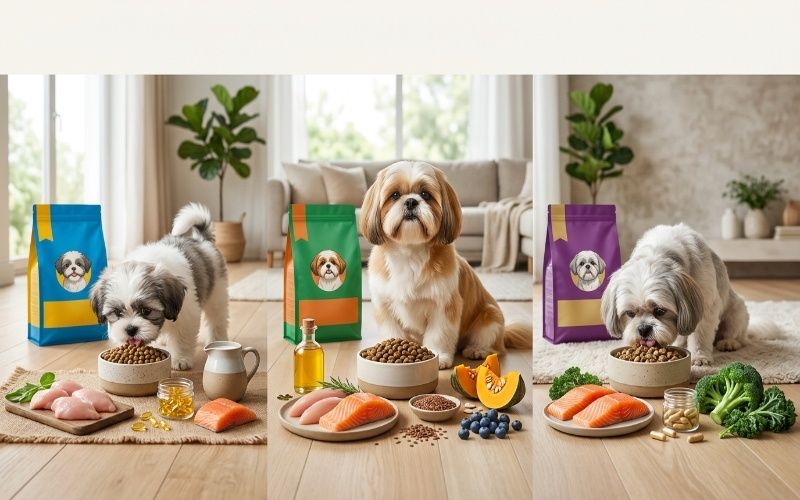
Your Shih Tzu’s food should change as it grows. A puppy needs more nutrients than an adult, while an older dog may need fewer calories and extra joint support. Choosing the right food for each stage of life helps your dog stay healthy and active. When shopping in Pakistan, always check the label to make sure the food matches your dog’s age.
A growing puppy needs extra nutrition to build strong bones, muscles, and a healthy immune system. The Best Shih Tzu Puppy Food should be made for small breed puppies and contain high quality protein, healthy fats, and DHA to support brain and eye development.
Look for these features:
Young puppies usually need three to four small meals each day. Smaller meals are easier to digest and help keep their energy levels steady.
Once your Shih Tzu reaches adulthood, its nutrition needs change. Adult Shih Tzu Dog Food should help maintain a healthy weight while supporting the skin, coat, and digestive system.
Choose food that includes:
If your dog spends most of the day indoors, avoid overfeeding and follow the feeding guide on the food pack.
Older Shih Tzus are usually less active and may need a diet with fewer calories. Some senior dogs also develop joint stiffness or become more sensitive to certain ingredients.
A good senior formula should provide:
Regular weight checks and fresh drinking water are also important as your dog gets older. If your senior Shih Tzu has a health condition, ask your vet before changing its diet.
| Life Stage | Main Nutrition Needs | Feeding Frequency | What to Look For |
|---|---|---|---|
| Puppy | High protein, DHA, calcium, healthy fats | 3 to 4 meals a day | Small breed puppy formula, small kibble, complete and balanced nutrition |
| Adult | Balanced protein, Omega 3 and Omega 6, fibre | 2 meals a day | Healthy skin and coat support, digestive care, weight management |
| Senior | Easy to digest protein, joint support, antioxidants | 2 small meals a day | Lower calorie formula, glucosamine, chondroitin, added fibre |
Choosing food that matches your dog’s age is one of the easiest ways to support its health. Whether you’re buying Shih Tzu Puppy Food for a young pup or Adult Shih Tzu Dog Food for a fully grown companion, the right nutrition will help your Shih Tzu enjoy a healthy and happy life.
Feeding your Shih Tzu the right way is just as important as choosing good food. Even the best diet won’t help if your dog eats too much, too little, or changes food too quickly. This Shih Tzu Feeding Guide will help you build healthy feeding habits that suit your dog’s age and daily routine.
There isn’t one perfect amount for every dog. It depends on your Shih Tzu’s age, weight, and activity level. Puppies need more frequent meals because they’re still growing. Adult dogs usually do well with two meals a day.
A simple Shih Tzu Feeding Schedule looks like this:
Always check the feeding guide on the food package and adjust the amount if your dog gains or loses weight. Fresh, clean water should always be available.
Changing food too quickly can upset your dog’s stomach. A slow change gives the digestive system time to adjust.
For example, Ali from Lahore wanted to change his Shih Tzu from one local brand to a premium formula. Instead of changing the food overnight, he mixed the old and new food over seven days. His dog changed diets without vomiting or loose stools.
Follow these simple steps:
This gradual method helps reduce stomach upset and makes the change easier for your dog.
Many owners make small mistakes that can affect their dog’s health over time. Avoid these common problems:
If you’re wondering How Much Should a Shih Tzu Eat, remember that quality matters as much as quantity. Feed measured portions, follow a regular schedule, and choose food that matches your dog’s age and activity level. These simple habits can help your Shih Tzu stay healthy, active, and happy for years to come.
If you’re searching for the Best Dog Food for Shih Tzu in Pakistan, you’ll find many brands in pet shops and online stores. The best choice depends on your dog’s age, activity level, and any special health needs. Instead of buying the first bag you see, compare the ingredients and choose a food that provides complete and balanced nutrition.
Here are some trusted brands that are widely available in Pakistan:
| Brand | Best For | Key Benefits |
|---|---|---|
| Royal Canin | Shih Tzu puppies and adults | Breed specific formula, small kibble, supports healthy skin, coat, and digestion |
| Farmina | Dogs with sensitive digestion | High quality ingredients, balanced nutrition, good protein sources |
| Josera | Active adult Shih Tzus | Easy to digest recipe with vitamins and minerals |
| Bonacibo | Everyday feeding | Supports healthy skin, coat, and immune system |
| Reflex | Budget friendly nutrition | Good protein, balanced formula, suitable for small breeds |
| Pro Plan | Dogs needing extra digestive support | High quality protein, probiotics, and immune support |
Many owners choose Royal Canin Shih Tzu Dog Food because it is made especially for this breed. Its kibble is designed for a Shih Tzu’s small mouth, and the recipe supports healthy skin, a shiny coat, and good digestion.
Buying from a trusted seller helps you get genuine products with a good shelf life. This is especially important when buying premium dog food online.
Keep these tips in mind:
For example, if you’re ordering food online in cities like Lahore, Karachi, or Islamabad, choose a well known pet store or a trusted website with good customer reviews. This reduces the risk of getting expired or fake products.
Whether you choose a Premium Dog Food for Shih Tzu or a more affordable option, the most important thing is to pick a complete and balanced formula that meets your dog’s daily nutrition needs. A healthy diet today can help your Shih Tzu stay active and happy for years to come.
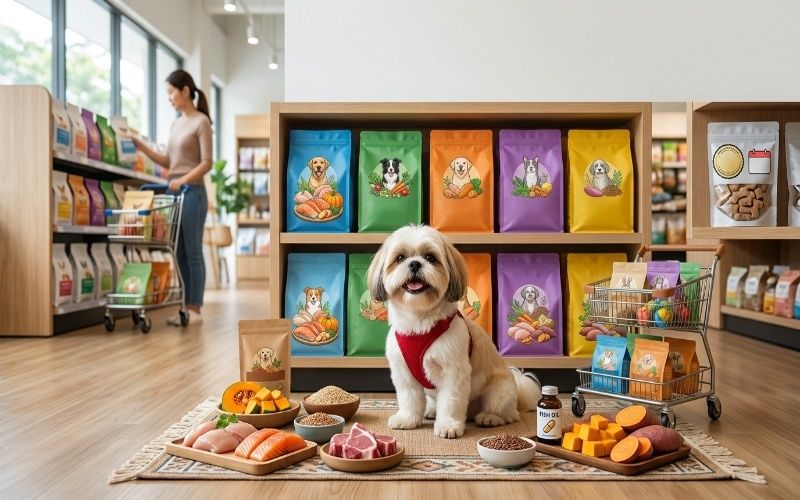
If you’re searching for the Best Dog Food for Shih Tzu in Pakistan, you’ll find many brands in pet shops and online stores. You can also explore trusted pet retailers such as Petalicious Store, where a range of dog food brands is available for different ages and nutritional needs. The best choice depends on your dog’s age, activity level, and any special health needs. Instead of buying the first bag you see, compare the ingredients and choose a food that provides complete and balanced nutrition.
| Brand | Best For | Key Benefits |
|---|---|---|
| Royal Canin | Shih Tzu puppies and adults | Breed specific formula, small kibble, supports healthy skin, coat, and digestion |
| Farmina | Dogs with sensitive digestion | High quality ingredients, balanced nutrition, good protein sources |
| Josera | Active adult Shih Tzus | Easy to digest recipe with vitamins and minerals |
| Bonacibo | Everyday feeding | Supports healthy skin, coat, and immune system |
| Reflex | Budget friendly nutrition | Good protein, balanced formula, suitable for small breeds |
| Pro Plan | Dogs needing extra digestive support | High quality protein, probiotics, and immune support |
Buying from a trusted seller helps you get genuine products with a good shelf life. This is especially important when buying premium dog food online.
Keep these tips in mind:
Case Study: If you’re ordering food online in cities like Lahore, Karachi, or Islamabad, choose a well known pet store or a trusted website with good customer reviews. This reduces the risk of getting expired or fake products.
Whether you choose a Premium Dog Food for Shih Tzu or a more affordable option, the most important thing is to pick a complete and balanced formula that meets your dog’s daily nutrition needs. A healthy diet today can help your Shih Tzu stay active and happy for years to come.
Choosing the right Shih Tzu Dog Food is one of the best ways to keep your dog healthy and happy. Focus on your dog’s age, activity level, and any special health needs before buying a new food. Read the ingredient list, feed the right portion, and change foods slowly to avoid stomach problems. This Shih Tzu Feeding Guide is designed to help you make better choices with confidence. Whether you’re buying the Best Shih Tzu Dog Food for a playful puppy or an older companion, a balanced diet and a regular feeding routine will help your Shih Tzu enjoy a long, active, and healthy life.
The Best Food for Shih Tzu is a complete and balanced diet made for small breeds. Look for food with real meat as the first ingredient, healthy fats, fibre, and vitamins. Choose a formula that matches your dog’s age, whether it’s a puppy, adult, or senior.
Yes, healthy Shih Tzus can eat dry food every day if it provides complete nutrition. Dry food is easy to store and may help reduce plaque when your dog chews properly. Always make sure fresh, clean water is available throughout the day.
A Shih Tzu Puppy Food formula is usually fed three to four times a day while the puppy is growing. Adult and senior Shih Tzus are usually fed two meals a day. Feed measured portions and avoid giving too many treats between meals.

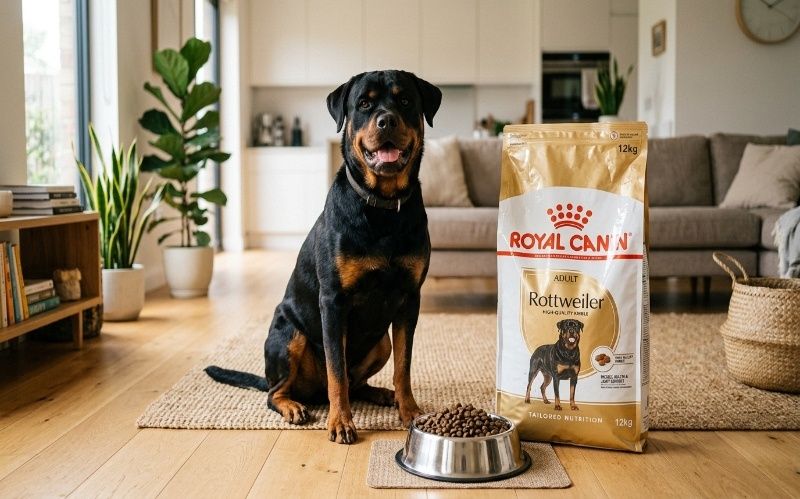
Choosing the right Rottweiler Dog Food is one of the best ways to help your dog stay healthy and active. Rottweilers are large, strong dogs, so they need food that supports their muscles, joints, and digestion at every age. The best Rottweiler dog food should have high quality protein, healthy fats, and the right vitamins and minerals. If you have a young dog, Rottweiler puppy food should also support steady growth without adding too much weight. In Pakistan, there are many options available, but reading the ingredient list can help you choose food that matches your dog’s needs.
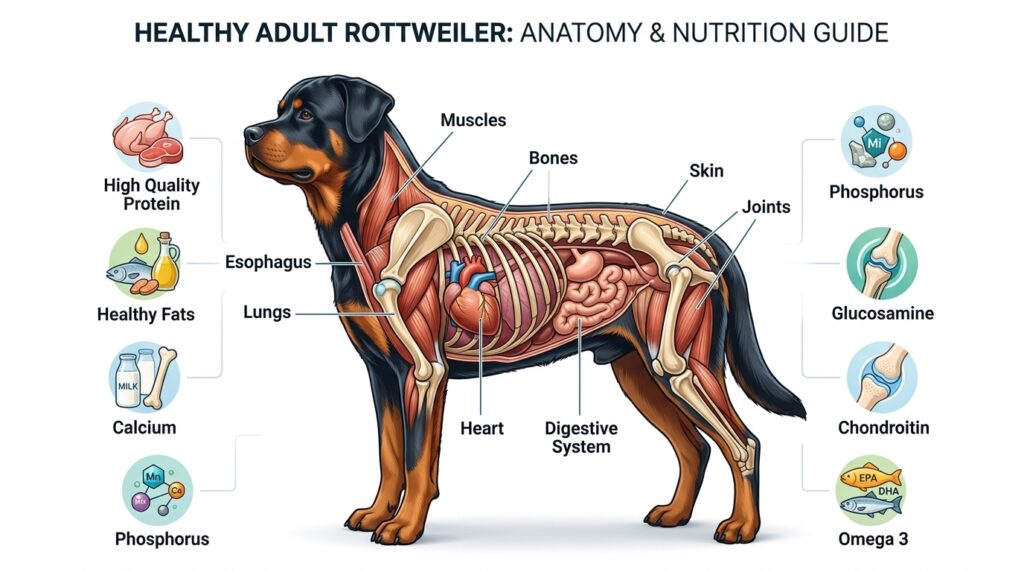
Rottweilers are strong, active dogs that grow much bigger than many other breeds. Because of their size, they need large breed dog food that gives them the right balance of nutrients. Small breed food may not meet their needs. A growing puppy needs food that supports healthy bones, while an adult dog needs food that helps keep muscles strong without adding extra weight.
If your Rottweiler enjoys long walks, playtime, or training, it’s important to feed a diet that matches its activity level. Choosing the right food now can help your dog stay healthy for years.
The best high protein dog food gives your Rottweiler the nutrients it needs every day. Look for food that includes:
A balanced diet is much better than giving extra treats or table scraps.
Feeding the wrong food for a long time can lead to health problems. An adult Rottweiler food formula made for large breeds can help lower these risks.
Poor nutrition may cause:
Choosing the right food from the start helps your Rottweiler stay active, healthy, and ready for everyday life.
Buying the best Rottweiler dog food doesn’t have to be confusing. If you know what to look for, you can choose food that keeps your dog healthy and active. In Pakistan, you’ll find many brands, but the label tells you much more than the picture on the bag.
Always check the first few ingredients. Real meat such as chicken, lamb, or fish should come first. These ingredients give your dog the protein it needs. If you see too many fillers or artificial ingredients at the top of the list, it’s better to choose another option.
A good dog food for muscle development should contain high quality animal protein. Chicken, lamb, beef, and fish are all good choices. Protein helps build strong muscles and supports an active lifestyle.
Rottweilers carry a lot of body weight, so their joints need extra care. Look for joint support dog food that includes glucosamine, chondroitin, and fish oil. These nutrients help keep joints flexible and support easy movement.
Some lower quality foods use large amounts of corn, added sugars, or artificial colours. These ingredients add little nutritional value and may not be the best choice for your dog.
A puppy, an adult, and a senior Rottweiler all have different needs. Choose food that matches your dog’s life stage. This helps your dog get the right balance of nutrients without feeding too much or too little.
Before you buy, check that the food:
The right food changes as your Rottweiler grows. A puppy needs nutrients for healthy growth, while an adult needs food that helps maintain muscle and a healthy weight. Older dogs also need extra support to stay active. Choosing food for the right life stage helps your dog get the nutrition it needs without feeding too much or too little.
Rottweiler puppy food should support slow and steady growth. Look for food with high quality protein, healthy fats, and the right balance of calcium and phosphorus. This helps build strong bones and muscles while avoiding fast weight gain. Brands such as Royal Canin Rottweiler, Farmina, Bonacibo, Josera, and Reflex offer puppy formulas that are commonly available in Pakistan. Compare the ingredients and choose the one that suits your puppy’s needs.
A good adult Rottweiler food should provide moderate to high protein to help maintain strong muscles. It should also include healthy fats for energy and nutrients that support joints. If your dog enjoys daily walks, training, or playtime, choose a complete and balanced formula that matches its activity level.
As Rottweilers get older, they often become less active. Senior dogs usually do better with moderate protein, controlled calories, and added joint support. Ingredients such as glucosamine, chondroitin, and fish oil can help keep them comfortable and active. If your senior dog has a health condition, ask your vet before changing its diet.
Remember, no single brand is the best for every dog. Royal Canin, Bonacibo, Josera, Farmina, and Reflex all offer quality options. The best choice depends on your dog’s age, activity level, and overall health.
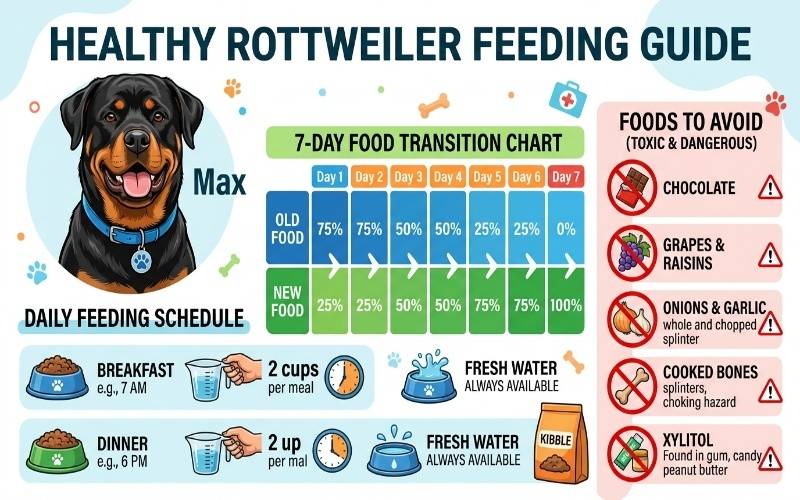
A good Rottweiler feeding guide is about more than choosing the right food. Feeding the correct amount and following a daily routine can help your dog stay healthy. Many owners ask, how much should a Rottweiler eat? The answer depends on your dog’s age, weight, activity level, and the feeding guide on the food pack.
Measure each meal instead of filling the bowl by eye. This helps your dog maintain a healthy weight. Split the daily food into two meals for most adult dogs. Puppies usually need three or four smaller meals each day.
Your dog should always have access to clean, fresh water. This is especially important during hot weather in Pakistan or after exercise.
Extra treats and table scraps can quickly add too many calories. Keep treats small and make sure they are only a small part of a healthy dog diet.
Changing food too quickly can upset your dog’s stomach. A slow change gives the digestive system time to adjust.
A simple 7 day plan works well:
Never feed your Rottweiler:
Keeping these foods away from your dog can help prevent serious health problems and emergency visits to the vet.
Choosing the right Rottweiler Dog Food is one of the most important ways to keep your dog healthy at every stage of life. The best Rottweiler dog food should match your dog’s age, size, and activity level. Look for high quality protein, healthy fats, and ingredients that support strong joints. Always read the ingredient label before buying and change to a new food slowly to avoid stomach problems. A good large breed dog food can help your Rottweiler stay active for years. If your dog has allergies, digestive problems, or other health concerns, speak to your vet before making any changes to its diet.
The best dog food for Rottweiler puppies and adults is a complete and balanced formula made for large breeds. Choose food with high quality protein, healthy fats, and vitamins that support muscles, bones, and joints. Pick a formula that matches your dog’s age and activity level.
As part of a good Rottweiler feeding guide, puppies usually need three or four meals each day. Adult Rottweilers do well with two meals. Feeding at the same times every day can help support healthy digestion and keep your dog’s routine consistent.
Some dogs do well with grain free dog food for Rottweilers, but it isn’t the best choice for every dog. If your Rottweiler has a grain allergy or a sensitive stomach, your vet may suggest it. Otherwise, a balanced diet with healthy grains can also be a good option.
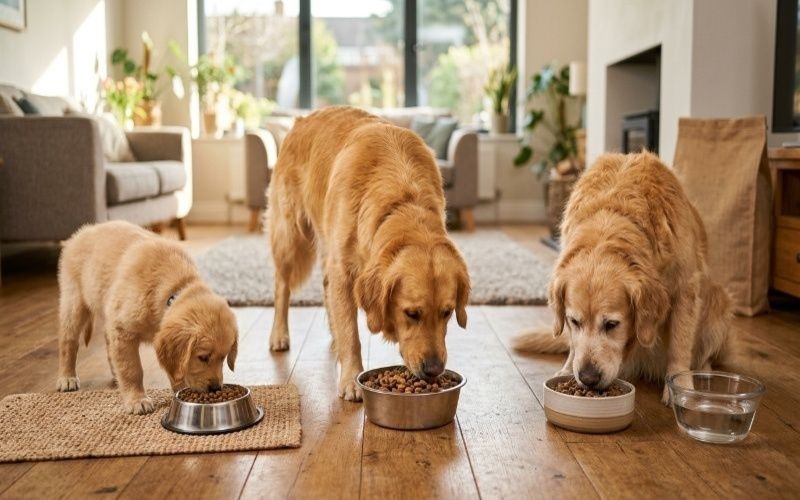
Finding the right Golden Retriever Food is one of the best ways to keep your dog healthy and active. Golden Retrievers are large, energetic dogs, so they need balanced meals to support strong muscles, healthy joints, and a shiny coat. Choosing the best Golden Retriever food in Pakistan doesn’t have to be confusing. This guide will help you understand your dog’s nutritional needs, feeding schedule, and the best food for Golden Retriever puppies, adults, and senior dogs. You’ll also learn what ingredients to look for and which food brands are worth considering for your furry companion
Golden Retrievers are friendly, active, and full of energy. Because they’re a large breed, they need more than just a full bowl of food. A balanced Golden Retriever diet helps them stay strong, maintain a healthy weight, and enjoy an active life. Feeding healthy food for Golden Retriever dogs can also lower the risk of common health problems as they grow. Choosing a quality large breed dog food gives them the nutrients they need from puppyhood to their senior years.
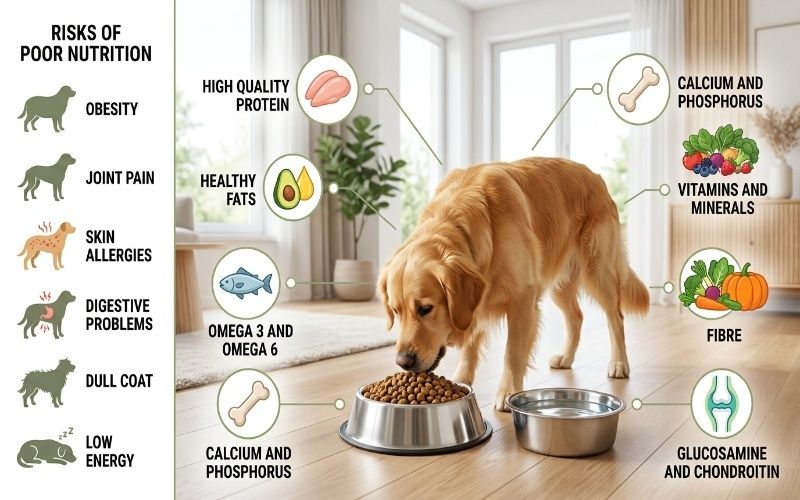
A Golden Retriever needs balanced meals every day. Each nutrient has an important job in keeping your dog healthy.
A good diet should include:
For example, if your Golden Retriever loves long walks, playing fetch, or running around the garden, a balanced diet helps them stay active and recover after exercise.
Poor nutrition can affect your dog’s health over time. Even if your dog eats enough, the wrong food may not provide the nutrients they need.
A poor diet may lead to:
If you live in Pakistan, the hot weather makes fresh drinking water even more important. Always keep a clean bowl of water available, especially during summer. Good hydration works with a healthy diet to help your Golden Retriever stay comfortable, active, and healthy all year round.
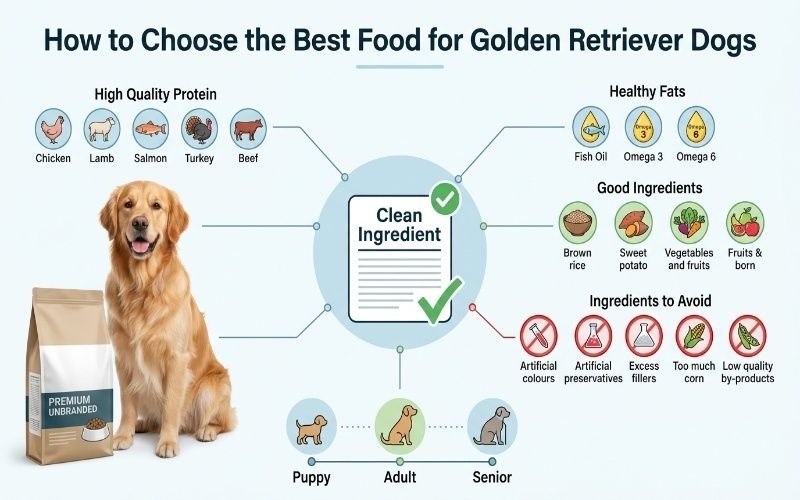
Buying dog food can feel confusing because there are so many choices. Instead of picking the cheapest bag or the most popular brand, take a few minutes to read the label. The best food for Golden Retriever dogs should have real meat, balanced nutrients, and ingredients that match your dog’s age and lifestyle. A good high-protein dog food for Golden Retriever dogs helps keep muscles strong and supports an active life.
Protein is the most important part of your dog’s diet. It helps build muscles, repair body tissues, and keep your Golden Retriever healthy.
When reading the label, look for meat listed as one of the first ingredients. Good protein sources include:
If meat is the first ingredient, it’s usually a good sign that the food provides quality protein instead of unnecessary fillers.
Healthy fats give your dog energy and help keep the skin and coat in great condition. They also support brain function and healthy joints.
Look for foods that contain:
For example, if your Golden Retriever spends lots of time outdoors or enjoys daily walks, healthy fats can help keep its coat soft and shiny.
One of the easiest ways to choose quality Golden Retriever food ingredients is to check the ingredient list before you buy.
Good ingredients to look for:
Ingredients to limit or avoid:
A shorter, clear ingredient list is often easier to understand and may help you make a better choice.
| Good Ingredients | Ingredients to Avoid |
|---|---|
| Chicken, lamb, salmon, turkey or beef | Artificial colours |
| Brown rice | Artificial preservatives |
| Sweet potato | Excess fillers |
| Fish oil | Too much corn |
| Vegetables | Too much soy |
| Fruits | Low quality by-products |
Golden Retrievers need different nutrition as they grow. Feeding the right food at each stage helps support healthy development and long term health.
If you’re shopping in Pakistan, compare the ingredient list before looking at the price. A quality food with better nutrition can support your dog’s health for years and may help reduce future health problems.
A Golden Retriever’s food needs change as it grows. A puppy needs different nutrients than an adult or senior dog. Feeding the right food at the right age helps your dog stay healthy, active, and strong. Choosing the correct diet now can also help prevent health problems later in life.
Golden Retriever puppy food should support fast and healthy growth. Puppies are full of energy and need extra nutrients to build strong bodies.
Look for puppy food that includes:
It’s also a good idea to feed puppies three to four small meals each day until your vet recommends changing their feeding schedule.
Once your dog becomes an adult, its diet should focus on keeping it healthy and active. Golden Retriever adult dog food should provide enough nutrients without adding extra calories.
Choose food that offers:
If your Golden Retriever enjoys daily walks, playtime, or outdoor activities, a balanced diet will help keep its energy levels steady.
Older dogs become less active and may need extra care. Golden Retriever senior dog food should be easy to digest while supporting healthy ageing.
Look for food that contains:
Many senior Golden Retrievers also benefit from softer food or kibble that is easier to chew if they have dental problems.
| Life Stage | Main Nutritional Focus | Feeding Goal |
|---|---|---|
| Puppy | High protein, DHA, calcium, phosphorus | Support healthy growth and strong bones |
| Adult | Balanced protein, healthy fats, fibre, vitamins | Maintain muscles, energy, and healthy weight |
| Senior | Joint support, lower calories, antioxidants, easy to digest ingredients | Support mobility, healthy ageing, and weight control |
No matter your dog’s age, always provide fresh drinking water. In Pakistan, this is especially important during hot weather, when dogs can lose more water throughout the day.
A healthy diet is not only about choosing the right food. It’s also about feeding the right amount at the right time. This Golden Retriever feeding guide will help you build a simple routine that supports your dog’s health and energy every day.
Many owners ask, how much should a Golden Retriever eat? The answer depends on your dog’s age, weight, activity level, and the food you choose. Always check the feeding guide on the food pack and adjust it if your dog gains or loses weight.
A simple Golden Retriever diet plan looks like this:
If you live in Pakistan, it’s a good idea to feed your dog early in the morning or later in the evening during summer. The cooler weather helps many dogs eat more comfortably.
Some everyday foods are not safe for dogs and can make them seriously ill.
Never feed your Golden Retriever:
Keep these foods out of your dog’s reach, even if it only eats a small amount.
Changing food too quickly can upset your dog’s stomach. A slow change gives the digestive system time to adjust.
Follow this simple 7 day plan:
During the change, watch for loose stools, vomiting, or a loss of appetite. If these problems continue, speak with your vet before changing the diet further.
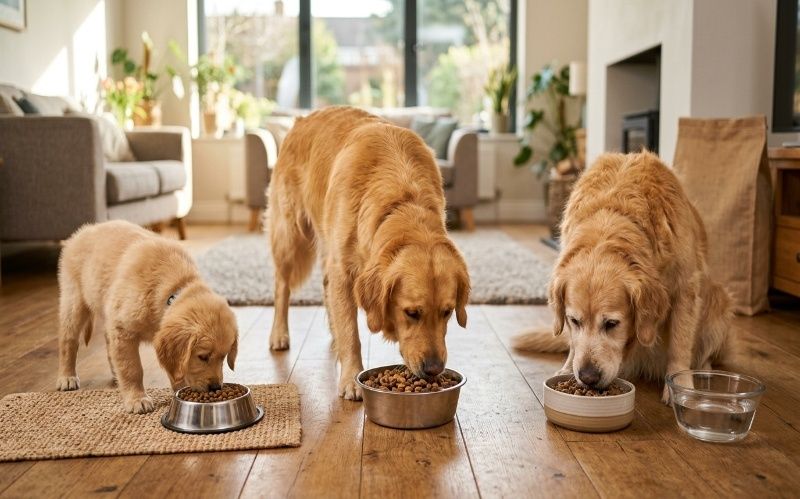
Finding the best Golden Retriever food in Pakistan doesn’t have to be difficult. Many trusted brands offer balanced nutrition for Golden Retrievers at different life stages. Instead of choosing based on price alone, compare the ingredients, protein source, and your dog’s age. A quality diet can help support healthy muscles, joints, digestion, and a shiny coat.
If you’re looking for premium Golden Retriever dog food, these brands are known for using high quality ingredients and balanced recipes.
These premium brands usually cost more, but they provide excellent nutrition. Depending on the pack size and recipe, the Golden Retriever food price in Pakistan can range from about PKR 6,000 to PKR 35,000.
If you want good quality at a lower price, these brands offer solid value.
These foods generally range from PKR 2,500 to PKR 12,000, depending on the bag size.
| Brand | Protein Source | Suitable Age | Key Benefits | Approximate Price | Best For |
|---|---|---|---|---|---|
| Royal Canin | Chicken | Puppy, Adult, Senior | Joint and digestive support | PKR 8,000 to 35,000 | Breed specific nutrition |
| Farmina N&D | Chicken, Lamb, Fish | Puppy, Adult | High quality natural ingredients | PKR 7,000 to 30,000 | Active dogs |
| Acana | Chicken, Fish | Adult | High protein recipe | PKR 9,000 to 32,000 | Active lifestyles |
| Orijen | Fresh meat and fish | Adult | Protein rich formula | PKR 10,000 to 35,000 | Premium nutrition |
| Reflex | Chicken | Puppy, Adult | Good everyday nutrition | PKR 3,000 to 10,000 | Budget friendly choice |
| Bonacibo | Lamb, Chicken | Puppy, Adult | Healthy digestion and coat | PKR 4,000 to 12,000 | Sensitive stomachs |
| Josera | Poultry | Adult, Senior | Balanced nutrition | PKR 5,000 to 14,000 | Daily feeding |
| SmartHeart | Chicken | Puppy, Adult | Affordable complete diet | PKR 2,500 to 8,000 | Everyday value |
These brands are widely available through reputable pet stores and trusted online retailers across Pakistan. Before buying, compare the ingredient list, check the expiry date, and choose a formula that matches your Golden Retriever’s age and activity level rather than selecting food based only on price.
Choosing the right Golden Retriever Food is one of the best ways to help your dog live a healthy and active life. Focus on food made with quality ingredients and feed the right portion for your dog’s age and daily activity. A healthy Golden Retriever diet should change as your puppy grows into an adult and later becomes a senior dog. Keep an eye on your dog’s weight, energy level, and coat to make sure the food is working well. If you’re unsure about the best food for Golden Retriever dogs or your pet has ongoing health concerns, speak with your vet for personalised advice.
The best food for Golden Retriever dogs is a complete and balanced diet made with high quality protein, healthy fats, vitamins, and minerals. Look for food that matches your dog’s age and activity level. A large breed formula is often a good choice because it supports healthy joints and muscles.
The amount depends on your dog’s age, weight, and daily activity. Most adult Golden Retrievers eat two meals each day, while puppies usually need three to four smaller meals. Always follow the feeding guide on the food package and adjust the amount if your vet recommends it.
Yes, but homemade food for Golden Retriever dogs should be balanced and include the right nutrients. Meals made only from chicken or rice are not enough for long term health. If you want to feed homemade food every day, ask your vet to help you create a complete meal plan.
If you’re looking for the best Husky dog food in Pakistan, you’re in the right place. Huskies are active dogs that need the right balance of protein, healthy fats, and nutrients to stay fit, support a shiny coat, and keep their digestion healthy. In this guide, you’ll learn how to choose the right Husky dog food, how much to feed puppies and adults, and which Siberian Husky dog food brands are worth considering in Pakistan. The tips are simple, practical, and easy to follow.
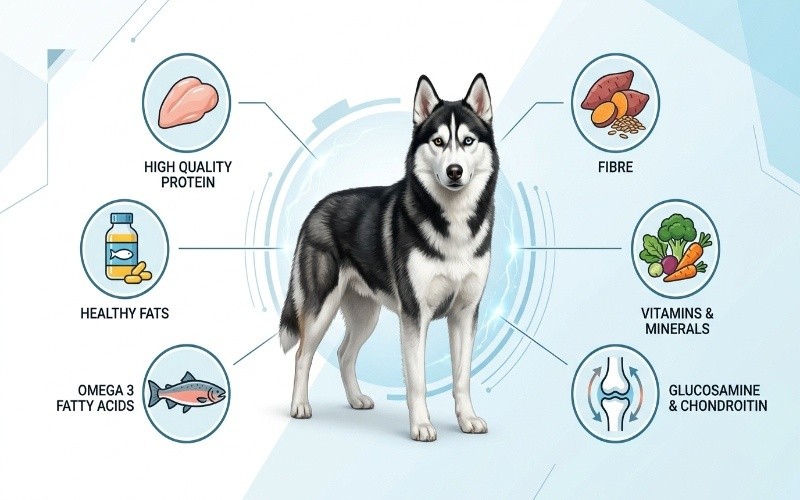
Many people think all dogs can eat the same food. That’s not the case. Huskies are active working dogs that were bred to pull sleds over long distances. Because of this, they burn energy in a different way than many other breeds. They also have a lean body and a thick double coat that needs the right nutrients to stay healthy. Choosing the right Siberian Husky dog food helps your dog stay active, maintain a healthy weight, and enjoy a shiny coat.
If a Husky doesn’t get the right food, you may notice dull fur, low energy, poor digestion, or unhealthy weight gain. That’s why good Husky nutrition is about more than just filling the food bowl. It’s about giving your dog the nutrients it needs every day.
Huskies are known for their energy and stamina. Even a family pet enjoys daily walks, playtime, and outdoor activities. They also have a fast metabolism, so they need food that provides steady energy without adding too many empty calories.
A high protein dog food for Husky is often a good choice because it helps build lean muscles and supports an active lifestyle. It’s also important to choose food that matches your dog’s age, size, and activity level.
A balanced diet should include the following nutrients:
When these nutrients are included in your dog’s daily diet, it’s much easier to keep your Husky healthy, active, and full of energy.
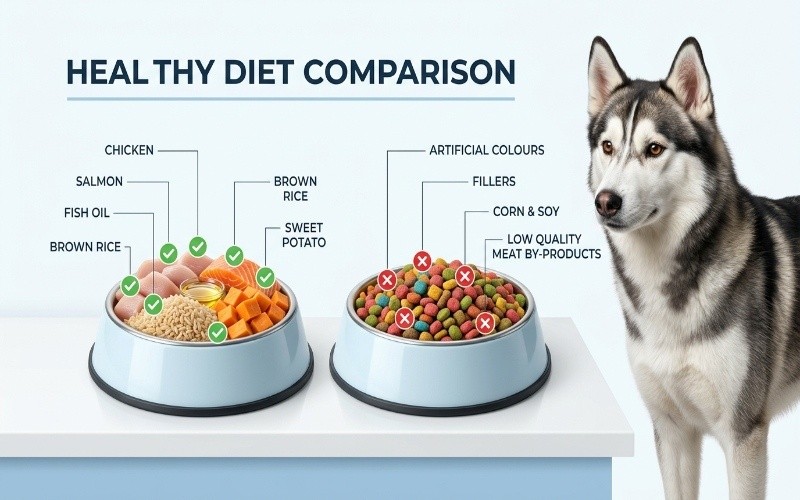
Picking the best Husky dog food can feel confusing because there are so many options. A colourful bag or a low price doesn’t always mean it’s the right choice. The best way to choose food is to read the ingredient list. The first ingredient should be a real meat source because Huskies need protein to stay strong and active.
Also think about your dog’s age, activity level, and any health needs. A Husky puppy, an active adult, and an older dog may all need different nutrition.
Good ingredients help your Husky stay healthy from the inside out. Look for foods that include:
These ingredients are often found in premium dog food for Huskies because they provide balanced nutrition without adding unnecessary fillers.
Some dog foods contain ingredients that add little nutrition. Try to avoid products with:
Reading the label takes only a minute, but it can help you choose healthier food for your Husky.
Both dry and wet food have their benefits, but most owners choose dry dog food for Huskies because it’s easy to store, costs less, and helps keep teeth cleaner.
Wet food can be a good choice for picky eaters or dogs that need extra moisture in their diet. Some owners also mix a small amount of wet food with dry kibble to add flavour.

Finding the right food for your Husky is easier when you compare the ingredients instead of only looking at the price. The best dog food brands for Huskies offer high quality protein, healthy fats, and balanced nutrition for different life stages. In Pakistan, you can find many trusted brands through local pet shops and online marketplaces. The right choice depends on your dog’s age, activity level, and budget.
Farmina N&D is a great option if you want premium nutrition. It uses high quality chicken or fish as the main protein source and includes natural ingredients to support healthy skin, a shiny coat, and strong muscles. The only downside is that it costs more than many other brands.
Josera JosiDog gives good value for money. It provides balanced nutrition for healthy adult Huskies without a high price tag. While it may not have as many premium ingredients as higher priced foods, it’s still a reliable choice for many families.
Growing puppies need extra protein, healthy fats, and vitamins to support healthy bones and muscles. Royal Canin Maxi Puppy and Bonacibo Puppy are both popular Husky puppy food options. They are easy to digest and provide balanced nutrition during the early months of growth.
Adult Huskies enjoy regular exercise and need food that helps maintain their energy. Reflex Plus Adult and Farmina N&D Adult contain high quality protein and healthy fats that support active dogs. If your Husky has a sensitive stomach, Bonacibo Adult Lamb and Rice may be a better choice because it uses gentle ingredients that are easier to digest.
These brands are commonly available through pet stores across Pakistan and trusted online marketplaces. Before buying, compare the ingredients, pack size, and Husky dog food price in Pakistan to find the best value for your budget.
| Brand | Best For | Main Protein | Price Range (PKR) | Rating |
|---|---|---|---|---|
| Farmina N&D | Premium nutrition and active Huskies | Chicken or Fish | Rs. 17,999 to Rs. 19,999 | ⭐⭐⭐⭐⭐ |
| Royal Canin | Husky puppies and adult Huskies | Chicken | Around Rs. 15,000 | ⭐⭐⭐⭐⭐ |
| Bonacibo | Sensitive stomach and balanced nutrition | Chicken or Lamb | Rs. 9,999 for 3 kg | ⭐⭐⭐⭐☆ |
| Reflex Plus | Active adult Huskies | Chicken, Lamb or Salmon | Rs. 3,850 to Rs. 17,787 | ⭐⭐⭐⭐☆ |
| Josera | Daily nutrition and budget friendly premium option | Poultry | Premium range. Prices vary by formula and pack size | ⭐⭐⭐⭐☆ |
Buying the right food is only the first step. You also need to feed the right amount. Feeding too little can leave your Husky low on energy. On the other hand, feeding too much can lead to weight gain. This Husky feeding guide will help you understand how much food your dog needs at different stages of life.
Husky puppies grow quickly during their first year. They need small meals several times a day to support healthy growth.
| Age | Meals Per Day | Daily Food Amount* |
|---|---|---|
| 2 to 3 months | 4 | 150 to 200 g |
| 3 to 6 months | 3 | 200 to 300 g |
| 6 to 12 months | 2 to 3 | 300 to 400 g |
The amount may change depending on your puppy’s weight and activity level. Always check the feeding guide on the dog food bag.
Many owners ask, how much should a Husky eat each day? A healthy adult Husky usually does well with two meals a day. Most adult Huskies need about 300 to 450 grams of dry food daily, depending on their weight, exercise, and the calorie content of the food.
If your Husky enjoys long walks, running, or regular play, it may need a little more food. If it’s less active, reduce the amount slightly to help maintain a healthy weight.
Changing food too quickly can upset your Husky’s stomach. It’s better to make the change slowly over one week.
| Day | Old Food | New Food |
|---|---|---|
| 1 to 2 | 75% | 25% |
| 3 to 4 | 50% | 50% |
| 5 to 6 | 25% | 75% |
| 7 | 0% | 100% |
Watch your dog during the change. If you notice loose stools or a loss of appetite, slow the process for a few more days. A gradual switch helps your Husky adjust comfortably and get the most from its new diet.
Even if you buy good quality dog food, small feeding mistakes can affect your Husky’s health. Many owners don’t notice these problems until their dog starts losing energy, gains too much weight, or develops skin and stomach issues. A healthy feeding routine is just as important as choosing the right food.
Some foods that are safe for people can be harmful to dogs. Never feed your Husky:
If your dog needs food for Husky with sensitive stomach, avoid changing brands too often unless there’s a good reason.
Your dog’s body can tell you when something isn’t right. Watch for these signs:
If these signs continue, speak to your vet and review your dog’s diet.
A few simple habits can make a big difference to your healthy Husky diet and overall Husky dog care.
Following these simple tips can help your Husky stay healthy, active, and enjoy every meal.
Choosing the right Husky dog food is one of the best ways to keep your dog healthy, active, and happy. A balanced diet supports strong muscles, healthy digestion, a shiny coat, and steady energy every day. Whether you have a playful puppy or an active adult Husky, it’s important to choose food that matches your dog’s age, size, and lifestyle.
When buying the best Husky dog food in Pakistan, don’t focus only on the price. Take a few minutes to read the ingredient list, compare the protein source, and pick a trusted brand that meets your dog’s nutritional needs. Feeding the right amount and changing food gradually are just as important as choosing the right formula.
If you’re still unsure which food is right for your dog, speak with your vet before making a change. With the right care and nutrition, your Husky can enjoy a healthy life for many years.
The best food for a Siberian Husky is one that contains high quality protein, healthy fats, vitamins, and minerals. Look for dog food with chicken, lamb, or salmon as the first ingredient. Choose a formula that matches your Husky’s age and activity level for the best results.
The amount depends on your dog’s age, weight, and daily activity. Most adult Huskies eat about 300 to 450 grams of Husky dog food each day, divided into two meals. Puppies need smaller meals more often because they are still growing.
Yes, they can, but homemade meals should be balanced. Your Husky needs the right mix of protein, healthy fats, carbohydrates, vitamins, and minerals. Feeding only meat or rice is not enough. If you want to prepare homemade meals regularly, ask your vet for a balanced meal plan.
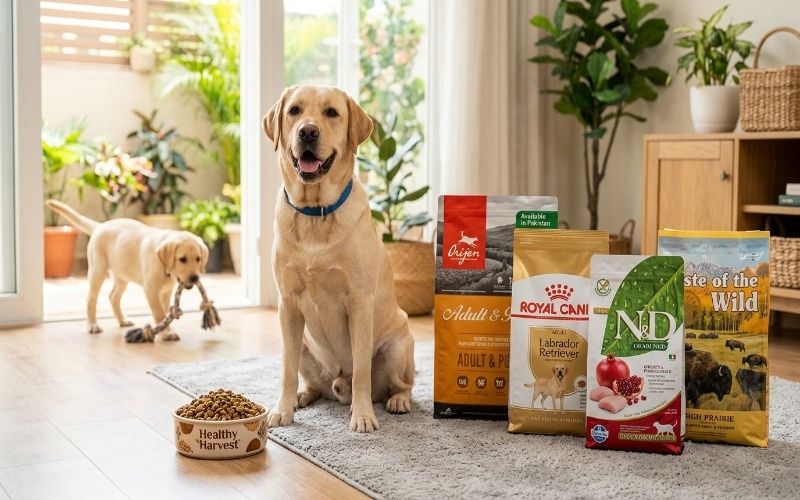
If you’re looking for the best Labrador dog food, you’ve come to the right place. Labradors are friendly, active, and full of energy, but they also have special nutrition needs. Feeding the right food helps your dog stay at a healthy weight, build strong muscles, and keep its joints in good shape. On the other hand, the wrong diet can lead to weight gain, weak bones, poor digestion, and dull skin and coat.
Choosing the right Labrador dog food in Pakistan isn’t always easy. There are many brands and formulas, and not every product is made for Labradors. Puppies need food that supports healthy growth, while adult and senior Labradors need balanced nutrition to match their age and activity level.
In this guide, we’ll explain how to choose the best Labrador dog food for every stage of your dog’s life. You’ll also learn about the nutrients Labradors need, trusted dog food brands available in Pakistan, common feeding mistakes to avoid, and simple tips to keep your Labrador happy and healthy.
Whether you’ve just brought home a playful puppy or you’re caring for an older companion, this breed-specific guide will help you make the right feeding choices with confidence.
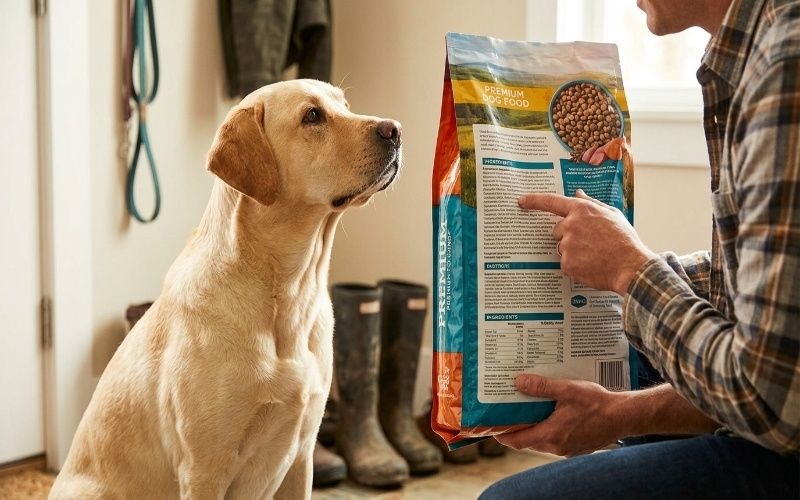
Choosing the best Labrador dog food is about more than picking a popular brand. Labradors are active dogs that need the right mix of nutrients to stay healthy. Before you buy any food, take a few minutes to read the label and check the ingredients. A good dog food for Labrador Retriever should provide complete and balanced nutrition for your dog’s age and activity level.
Labradors need a balanced diet to support their body every day. The right nutrients help them grow, stay active, and avoid common health problems.
Look for these important nutrients:
A premium dog food for Labrador should include these nutrients in the right amounts.
Labradors grow faster than many smaller dog breeds. Their bones and joints need extra support during the first year of life. Large breed puppy food is made to help puppies grow at a steady pace. This can reduce stress on their bones and joints as they get bigger.
Adult Labradors also need balanced calories because they can gain weight easily. Feeding too much, even with good quality food, may lead to obesity.
When you compare dog foods, check the ingredient list first. The first ingredient should be a real source of animal protein.
Look for foods that contain:
If the label says “complete and balanced nutrition,” it means the food is designed to provide all the nutrients your Labrador needs for its life stage.
Not every dog food offers the same quality. Some products use cheap fillers or artificial ingredients that add little nutritional value.
Try to avoid foods that contain:
A simple tip is to compare two or three products before buying. Choose the one with real meat, clear ingredient labels, and nutrients that support your Labrador’s age and lifestyle. Taking a few extra minutes to check the label can help you find the best Labrador dog food and keep your dog healthy for years to come.
| Choose These Ingredients | Avoid These Ingredients |
|---|---|
| Chicken, Lamb, Salmon, Beef | Artificial colours |
| Fish Oil | Artificial flavours |
| Brown Rice or Oats | Excess sugar |
| Sweet Potatoes | Large amounts of corn or wheat |
| Glucosamine and Chondroitin | Low quality meat by products |
| Fruits and Vegetables | Unnamed animal fats |
Choosing the right Labrador puppy food in Pakistan is one of the most important decisions you’ll make as a new dog owner. Labrador puppies grow quickly during their first year, so they need food that supports healthy growth without adding too many calories. A balanced diet helps build strong bones, healthy muscles, and an active body.
The best dog food for Labrador puppy should be made for large breed puppies. These formulas are designed to support steady growth and reduce the risk of bone and joint problems later in life.
Labrador puppies need more nutrients than adult dogs because their bodies are growing every day. The goal is to support healthy growth, not the fastest growth.
A good large breed puppy food should include:
Be careful with foods that contain too many calories or too much calcium. Growing too fast can put extra pressure on a Labrador puppy’s bones and joints.
Many trusted puppy foods are available in Pakistan. The right choice depends on your puppy’s age, activity level, and your budget.
| Brand | Best For | Main Benefits |
|---|---|---|
| Royal Canin Labrador Puppy | Labrador puppies | Breed specific formula with joint and digestive support |
| Farmina N&D Puppy | Active puppies | High quality protein and natural ingredients |
| Purina Pro Plan Puppy Large Breed | Large breed puppies | DHA for brain development and balanced nutrition |
| Josera Kids | Growing puppies | Supports healthy bones and strong muscles |
| Bonacibo Puppy | Everyday feeding | Good nutrition at a budget friendly price |
These products are widely available through pet stores and online shops in Pakistan.
The amount of food your puppy needs depends on its age, weight, and the feeding guide on the food bag. Every brand has slightly different serving sizes, so always check the label.
As a general guide:
Watch your puppy’s body condition instead of feeding extra food just because it seems hungry. Labradors love to eat, but overfeeding can lead to unhealthy weight gain.
Signs your puppy may be eating too much include:
Signs your puppy may not be eating enough include:
If you’re unsure, ask your veterinarian to check your puppy’s weight and growth.
Most Labrador puppies stay on puppy food until they are about 12 to 15 months old. After that, you can slowly change to an adult large breed formula over seven to ten days.
| Puppy Age | Meals Per Day |
|---|---|
| 2 to 3 months | 4 meals |
| 3 to 6 months | 3 meals |
| 6 to 12 months | 2 to 3 meals |
| 12 to 15 months | Slowly switch to adult food |
Changing food slowly helps prevent stomach problems. Mix a little of the new food with the old food each day until your puppy is eating only the new formula
Finding the right dog food brands for Labrador in Pakistan can feel confusing because there are many options. Some foods are made for puppies, while others are better for adult or senior Labradors. The best choice depends on your dog’s age, activity level, and any health needs such as a sensitive stomach.
If you want to buy Labrador dog food online, compare the ingredients, protein source, and life stage before making a decision. The brands below are trusted by many pet owners and are easy to find through pet stores and online retailers across Pakistan.
Royal Canin Labrador Puppy is made especially for Labrador puppies. It contains chicken protein, fish oil, vitamins, and minerals to support healthy growth.
Best for: Labrador puppies up to 15 months
Protein source: Chicken
Key benefits:
Farmina N&D is known for its high quality ingredients and animal protein. Many recipes use chicken, lamb, or fish with fruits and vegetables.
Best for: Active adult Labradors and growing puppies
Protein source: Chicken, lamb, or fish
Key benefits:
Josera offers balanced nutrition for growing puppies and adult dogs. It is a popular choice for owners looking for good quality at a reasonable price.
Best for: Puppies and adult Labradors
Protein source: Poultry
Key benefits:
Bonacibo gives balanced nutrition at an affordable price. It is a good choice for families looking for quality food without spending too much.
Best for: Puppies and adult Labradors
Protein source: Chicken
Key benefits:
Reflex Plus uses quality animal protein with added vitamins and minerals. It is available in puppy and adult formulas.
Best for: Active adult Labradors
Protein source: Chicken and lamb
Key benefits:
Taste of the Wild is a premium food made with unique protein sources such as salmon, bison, or venison. It is a good option for Labradors with food sensitivities.
Best for: Adult Labradors with sensitive stomachs
Protein source: Salmon, bison, venison, and other meats
Key benefits:
Purina Pro Plan is recommended by many veterinarians because it offers balanced nutrition for every life stage.
Best for: Large breed puppies and adult Labradors
Protein source: Chicken or salmon
Key benefits:
| Brand | Best Life Stage | Main Protein | Grain Free | Sensitive Stomach | Price Range |
|---|---|---|---|---|---|
| Royal Canin Labrador Puppy | Puppy | Chicken | No | Yes | Premium |
| Farmina N&D | Puppy and Adult | Chicken, Lamb, Fish | Yes and No | Yes | Premium |
| Josera | Puppy and Adult | Poultry | Mostly No | Yes | Mid Range |
| Bonacibo | Puppy and Adult | Chicken | No | Yes | Budget to Mid Range |
| Reflex Plus | Adult | Chicken, Lamb | Mostly No | Yes | Mid Range |
| Taste of the Wild | Adult | Salmon, Bison, Venison | Yes | Yes | Premium |
| Purina Pro Plan | Puppy and Adult | Chicken, Salmon | Mostly No | Yes | Premium |
The best food depends on your Labrador’s age and needs.
Before you buy Labrador dog food online, compare the ingredients, feeding guide, and your dog’s age. The right food should keep your Labrador active, maintain a healthy weight, and support strong joints throughout every stage of life.
Even if you buy high quality food, small feeding mistakes can affect your dog’s health. Labradors love to eat, so it’s easy to give them more food than they need. Following a proper Labrador feeding guide can help your dog stay active, maintain a healthy weight, and avoid common health problems.
Labradors are known for having a big appetite. They may act hungry even after eating a full meal. Giving extra food every day can lead to weight gain, which puts more pressure on their joints and increases the risk of health problems.
To support Labrador weight management, follow the feeding guide on the food package and adjust the amount based on your dog’s age, weight, and activity level. Check your Labrador’s body shape every few weeks instead of guessing if it needs more food.
Treats are useful for training, but too many can add extra calories. In many homes in Pakistan, owners also share table scraps like roti, rice, chicken bones, or oily leftovers. While it may seem harmless, these foods can upset your dog’s stomach and lead to unhealthy weight gain.
Choose healthy dog treats and keep treats to a small part of your Labrador’s daily diet.
Changing dog food overnight can cause stomach problems such as vomiting, gas, or loose stools. If you’re changing to a new brand, do it slowly over 7 to 10 days.
A simple transition plan looks like this:
This gradual change gives your Labrador’s digestive system time to adjust.
Many owners fill the food bowl without measuring it. This often leads to overfeeding. Use a measuring cup or kitchen scale to serve the right amount at every meal.
Remember that food is only one part of a healthy diet for Labrador Retriever. Daily walks, playtime, and exercise are just as important. A Labrador that eats the right portions and stays active is more likely to maintain a healthy weight and enjoy a long, healthy life.
| Common Mistake | Better Choice |
|---|---|
| Giving extra meals | Follow the feeding guide |
| Feeding table scraps | Offer healthy dog treats |
| Changing food in one day | Switch food over 7 to 10 days |
| Guessing portion sizes | Measure every meal |
| Little daily exercise | Walk and play every day |
Choosing the right Labrador dog food is one of the best ways to support your dog’s health and happiness. Labradors need balanced nutrition at every stage of life, from playful puppies to active adults and senior companions. The right food helps maintain a healthy weight, supports strong joints, improves digestion, and keeps their skin and coat in great condition.
When comparing different dog food brands for Labrador in Pakistan, don’t focus only on the price. Take a few minutes to read the ingredient list, check the protein source, and choose a formula that matches your Labrador’s age, size, and activity level. A high quality diet, the right portion sizes, and regular exercise work together to keep your dog healthy for years to come.
If you’re looking for trusted products, Petalicious Store offers a wide range of premium and everyday Labrador dog food brands, making it easier to find the right option for your puppy, adult, or senior Labrador.
Whether you’re buying Labrador puppy food for a growing puppy or looking for the best dry food for Labrador adults, making informed choices today can help prevent health problems in the future.
We hope this guide has made it easier to understand your Labrador’s nutritional needs. With the right food, a regular feeding routine, and plenty of love and exercise, your Labrador can enjoy a long, active, and healthy life.
The best dry food for Labrador is one that matches your dog’s age, size, and activity level. Look for food with real meat as the first ingredient, healthy fats, vitamins, minerals, and joint support. Large breed formulas are usually the best choice because they are made for Labradors and other large dogs.
Yes, Labradors can eat homemade food if it’s balanced and provides all the nutrients they need. Plain cooked chicken, lean beef, rice, carrots, and pumpkin are common choices. However, homemade meals should not replace a complete diet unless they are planned with advice from your veterinarian.
The right amount depends on your Labrador’s age, weight, activity level, and the food you choose. Always follow the feeding guide on the food package and adjust portions if your dog gains or loses weight. Fresh drinking water should always be available.

If you have a German Shepherd, Labrador, Golden Retriever, Rottweiler, or another large dog, choosing the right food is one of the best things you can do for its health. Large dogs grow differently from small breeds, so they need the right balance of protein, healthy fats, vitamins, and minerals. The wrong diet can lead to weight gain, weak joints, or slow growth over time.
Finding the best large breed dog food can feel confusing because there are so many brands and formulas available. That’s why this guide is here to help. We’ll explain what makes large breed dog food different, which ingredients matter most, and how to pick the right option for your dog’s age and activity level.
If you’re looking for large breed dog food Pakistan, you’ll also find practical tips, trusted brands, and feeding advice that fits the needs of dog owners across the country. By the end of this guide, you’ll know how to choose a food that helps your dog stay healthy, active, and strong for years to come.
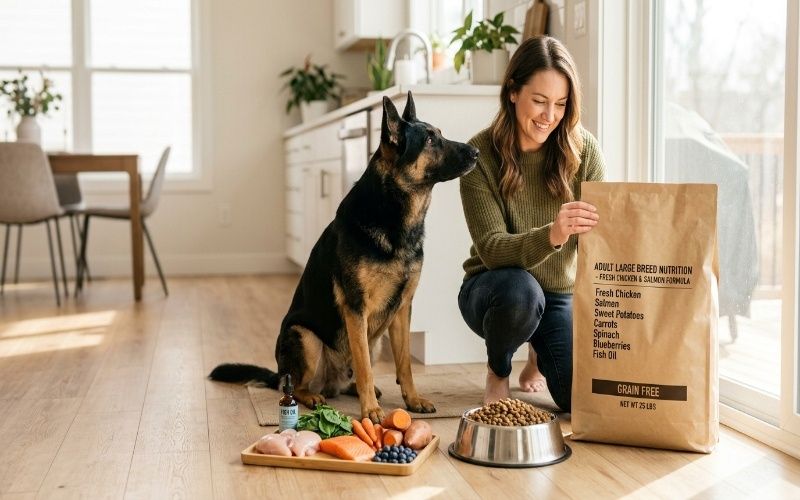
Choosing the best food for large breed dogs is about more than keeping your dog full. Large dogs grow at a slower pace than small breeds, and their bones and joints carry much more weight. That’s why they need the right balance of nutrients from puppyhood to adulthood. Good large breed dog nutrition helps support healthy growth, strong muscles, and active joints. It can also lower the risk of health problems later in life.
A large breed dog usually weighs more than 50 pounds as an adult. Some dogs can even grow beyond 90 pounds. In Pakistan, many families keep large breeds because they are loyal, smart, and good guard dogs.
Common large breed dogs include:
These dogs need food made for their size instead of a regular formula.
Large breed puppies grow for a longer time than small dogs. While a small breed may become an adult in about a year, many large breeds continue growing for up to 18 to 24 months. During this time, their bones and joints are still developing.
That’s why large breed puppy food is made with controlled calories and balanced minerals. It helps puppies grow at a steady pace instead of growing too fast. Slow and healthy growth puts less stress on their joints and supports strong bones.
| Small Breed | Large Breed |
|---|---|
| Faster maturity | Slower growth |
| Higher calorie needs | Controlled calorie intake |
| Smaller kibble | Larger kibble |
The wrong diet can affect a large dog’s health over time. Feeding too much food or choosing a formula that isn’t made for large breeds may lead to avoidable problems.
Some common issues include:
Giving your dog the right food from the start is one of the simplest ways to support a healthy and active life.
Choosing the right food isn’t just about buying a popular brand. The best formula gives your dog the nutrients it needs to stay healthy every day. When comparing products, always read the label and check the dog food ingredients. A good recipe supports strong muscles, healthy joints, and easy digestion.
Protein helps build and repair muscles. Since large dogs have bigger bodies, they need enough protein to stay strong and active.
Look for foods that list real meat as the first ingredient, such as:
A good high protein dog food should use real animal protein instead of meat by products or unnamed meat sources.
Healthy fats give your dog energy and help keep its skin and coat in good shape. Omega 3 fatty acids also support the brain and may help reduce joint discomfort as dogs get older.
Good sources of healthy fat include:
If your dog spends a lot of time outdoors or has a dry coat, foods with Omega 3 can be a smart choice.
Large breed puppies need the right amount of calcium and phosphorus while they grow. Too much calcium can cause bones to grow too quickly, while too little may not support healthy development.
A balanced formula helps bones become strong at a steady pace. This is one reason large breed foods are different from regular dog food.
As large dogs age, their joints carry more weight. Ingredients like glucosamine and chondroitin help support healthy joints and comfortable movement.
A good joint support dog food often includes these nutrients to help keep your dog active during adulthood and later years.
Kibble made for large breeds is usually bigger than regular dog food. Bigger pieces encourage dogs to chew instead of swallowing food too quickly.
This can help with:
Not every dog food offers the same quality. Some products include ingredients that add little nutrition or may not be the best choice for long term health.
Try to avoid foods with:
Before buying any dog food, compare the ingredient list instead of only looking at the front of the bag. A well balanced recipe with quality ingredients is more important than attractive packaging or marketing claims.
Finding the right large breed dog food Pakistan doesn’t have to be difficult. Many trusted brands are available through pet stores and online shops. The best choice depends on your dog’s age, activity level, health, and your budget. A premium natural dog food often uses better ingredients and offers balanced nutrition, but there are also good value options that provide quality without costing too much.
Royal Canin is one of the best dog food brands for large dogs. Its recipes are made to support healthy bones, joints, and digestion. The kibble size is also designed for bigger dogs.
Pros
Cons
Suitable Breeds
Farmina N&D is known for using high quality meat and carefully selected ingredients. Many formulas are grain free or made with low grain recipes. It’s a good choice for active dogs that need quality nutrition.
Pros
Cons
Suitable Breeds
Josera offers balanced nutrition at a price that many dog owners find reasonable. It supports healthy digestion and is suitable for daily feeding.
Pros
Cons
Suitable Breeds
Reflex Plus is a popular choice among pet owners looking for quality at a mid range price. Many recipes include vitamins, minerals, and Omega 3 to support overall health.
Pros
Cons
Suitable Breeds
Bonacibo has become a trusted option for many families in Pakistan. Its recipes are made to support muscle growth, digestion, and healthy energy levels.
Pros
Cons
Suitable Breeds
Besides the brands above, you may also find good options from brands such as Hill’s Science Diet, Acana, Orijen, Taste of the Wild, and Brit Care. Before buying, make sure the formula matches your dog’s life stage and body size.
| Brand | Protein | Best For | Price Range | Rating |
|---|---|---|---|---|
| Royal Canin | High | Joint support and balanced nutrition | Premium | ⭐⭐⭐⭐⭐ |
| Farmina N&D | High | Active large dogs | Premium | ⭐⭐⭐⭐⭐ |
| Josera | Medium to High | Daily nutrition | Mid to Premium | ⭐⭐⭐⭐☆ |
| Reflex Plus | Medium to High | Everyday feeding | Mid Range | ⭐⭐⭐⭐☆ |
| Bonacibo | Medium to High | Balanced nutrition | Mid Range | ⭐⭐⭐⭐☆ |
A Labrador living in Lahore may need a different feeding routine during the hot summer months than in winter. In warmer weather, many dogs become less active during the day and may burn fewer calories. Instead of increasing the food amount, keep fresh water available at all times and adjust meal portions based on your dog’s activity level and body condition. If you’re unsure, ask your veterinarian for feeding advice that matches your dog’s age and weight.
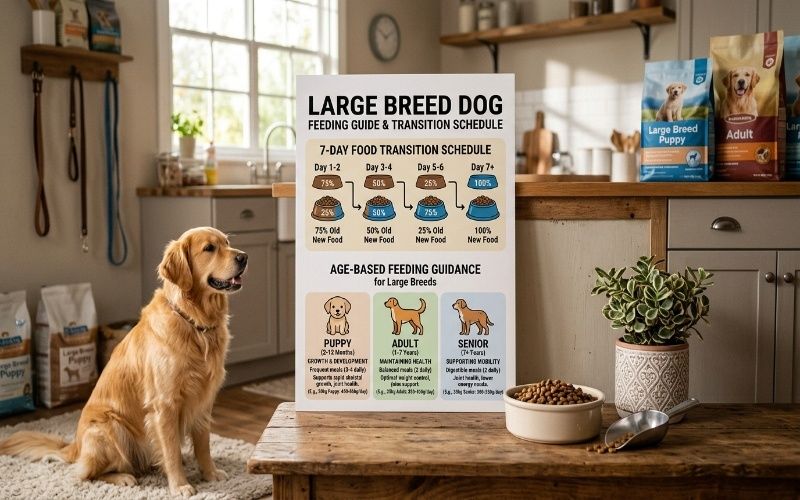
Every large dog is different. A food that works well for one dog may not be the best choice for another. Your dog’s age, weight, activity level, and overall health all play a part. This dog feeding guide will help you choose the right food with confidence.
Dogs need different nutrition at each stage of life.
Always choose a formula that matches your dog’s life stage.
Think about how active your dog is every day.
For example:
Choose food that matches your dog’s daily activity instead of feeding the same amount all year.
Your dog’s body condition is a better guide than the number on the food bag.
Your dog should:
If your dog is gaining weight, reduce meal portions a little and increase daily exercise. If your dog is losing weight without a clear reason, speak with your veterinarian.
Before buying any dog food, spend a minute reading the ingredient list.
Look for:
Avoid foods with too many artificial additives or unnecessary fillers. A simple and balanced recipe is often the best choice.
Changing food too quickly can upset your dog’s stomach. A slow transition gives your dog time to adjust.
Follow these simple steps:
A six month old German Shepherd puppy in Karachi was changing from a regular puppy formula to large breed puppy food. Instead of switching overnight, the owner mixed the new food with the old food over seven days. The puppy continued eating well, had normal digestion, and showed no signs of stomach upset. This gradual approach made the change smooth and stress free.
Choosing the right large breed dog food is one of the best ways to help your dog live a healthy and active life. A balanced diet supports strong muscles, healthy joints, good digestion, and steady energy. It also helps your dog maintain a healthy weight, which is especially important for large breeds.
When comparing products, focus on quality ingredients instead of attractive packaging. Look for real meat, healthy fats, vitamins, and minerals that support large breed dog nutrition. It’s also important to choose food that matches your dog’s life stage. A growing puppy, an active adult, and an older dog all have different nutritional needs.
Keep an eye on your dog’s weight, energy level, and overall health. Small changes in appetite or body condition can be a sign that it’s time to adjust the diet. If your dog has allergies, ongoing stomach problems, or a medical condition, talk to your veterinarian before changing foods.
The best large breed dog food is the one that fits your dog’s age, size, activity level, and health needs. Take a little time to compare your options, read the ingredient list, and choose a formula that supports your dog for years to come.
Small dogs can eat large breed food once in a while, but it shouldn’t be their regular diet. Large breed recipes are made for bigger dogs with different nutrition needs and larger kibble. Small breeds may have trouble chewing the bigger pieces and may not get the right balance of nutrients for their size.
Most large breed puppies should switch from large breed puppy food to adult food between 12 and 24 months of age. The right time depends on the breed and how your puppy is growing. Larger breeds usually take longer to reach full size. If you’re unsure, ask your veterinarian for advice.
There isn’t one amount that fits every dog. The right portion depends on:
Age
Weight
Activity level
Health condition
Always check the feeding guide on the food bag and adjust the amount if your dog starts gaining or losing weight. Fresh, clean water should also be available at all times.
Not always. Some dogs do well on grain free food, while others stay healthy with recipes that include grains like rice or oats. The best food for large breed dogs is one that provides complete and balanced nutrition and suits your dog’s individual needs. Unless your veterinarian recommends a grain free diet, there’s no need to avoid grains.
As dogs get older, their bodies start to change. They may sleep more, move more slowly, and need extra care at mealtime. That’s why choosing the right senior dog food is so important. A balanced diet can help support healthy joints, keep muscles strong, improve digestion, and help your dog stay active for longer.
If you’re looking for senior dog food in Pakistan, you’ll find many local and imported brands. While having more choices is helpful, it can also make buying the right food more difficult. Every older dog has different needs based on its age, breed, size, weight, and overall health. A food that works well for one dog may not be the best choice for another.
In this guide, you’ll learn how to choose the best dog food for older dogs with confidence. We’ll explain when a dog should switch to senior food, which nutrients matter most, and how to compare different products available in Pakistan. You’ll also discover practical feeding tips, trusted brands, and simple advice to help your dog stay healthy and comfortable as it grows older.
By the end of this guide, you’ll have the knowledge you need to choose a senior dog food that fits your dog’s needs and your budget.
As dogs grow older, their bodies don’t work the same way they did when they were young. They may become less active, burn fewer calories, and need more support to stay healthy. That’s why senior dog nutrition is different from the food given to younger adult dogs. The right diet can help your dog stay active, maintain a healthy weight, and enjoy a better quality of life.
A balanced senior dog diet includes high quality protein, healthy fats, fiber, vitamins, and minerals. These nutrients help support muscles, digestion, joints, and the immune system. Choosing the right nutrition for older dogs can also lower the risk of common age related problems and help your dog feel its best every day.
As your dog gets older, its metabolism becomes slower. This means it burns fewer calories, even if it eats the same amount of food. If meals are not adjusted, your dog may gain extra weight over time.
Older dogs also become less active. They may spend more time resting and less time running or playing. Because of this, they need food that provides balanced nutrition without too many calories.
Another common change is muscle loss. Senior dogs can lose muscle as they age, especially if they don’t get enough protein. Foods made for older dogs often contain high quality protein to help maintain lean muscles while still being easy to digest.
Many senior dog food develop health problems that affect their daily life. Joint pain and arthritis can make it harder to walk, climb stairs, or play. Foods with glucosamine, chondroitin, and omega 3 fatty acids may help support healthy joints and improve mobility.
Digestion can also become slower. A diet with added fiber and easy to digest ingredients helps support a healthy stomach and regular bowel movements.
Dental problems are another common concern. Older dogs may have weak teeth or sensitive gums, making it harder to chew hard food. In some cases, wet food or softened dry food can make eating more comfortable.
Weight gain is also common because older dogs burn fewer calories. Feeding the right portion size and choosing a balanced senior formula can help your dog maintain a healthy weight.
By understanding these age related changes, you can choose a diet that gives your dog the nutrition and support it needs during its senior years.
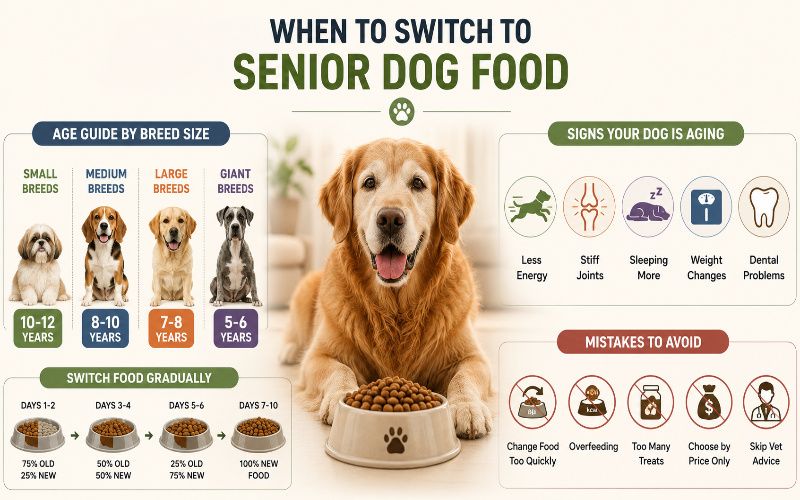
Many dog owners wonder when should dogs start senior food. The answer depends on your dog’s breed, size, and overall health. Not all dogs become seniors at the same age. Larger breeds usually age faster than smaller breeds, so they often need a senior diet sooner.
Changing to dog food for older dogs at the right time can help support healthy joints, maintain a healthy weight, and provide the nutrients your dog needs as it gets older. Instead of waiting until your dog has health problems, it’s better to watch for signs of aging and talk to your veterinarian during regular checkups.
Different breeds age at different speeds. As a general guide:
These ages are only a guide. Some dogs may age faster or slower depending on their lifestyle, diet, and overall health.
Your dog’s behavior can tell you when it may be time to switch to senior food. Watch for these common signs:
If you notice one or more of these signs, your dog may benefit from a food made for senior dogs.
Changing your dog’s food too quickly can upset its stomach. A slow change gives your dog time to adjust and helps reduce digestive problems.
Here are a few mistakes to avoid:
Making the switch at the right senior dog age and choosing a balanced diet can help your dog stay healthy, active, and comfortable for many years.
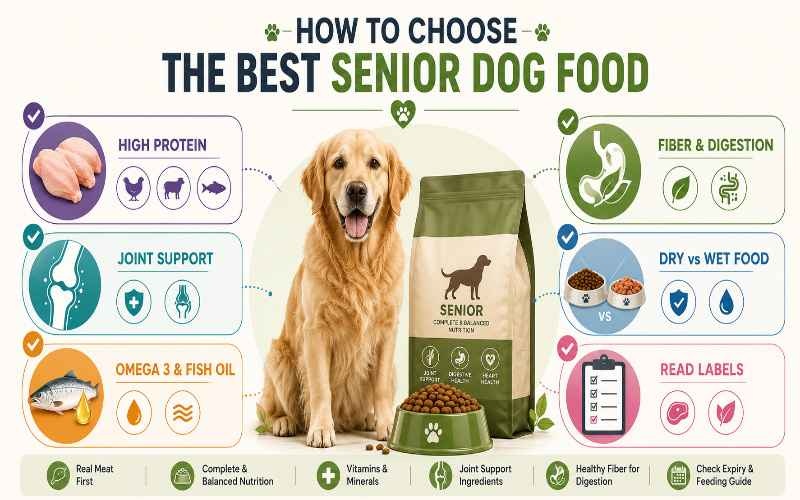
Choosing the right food for an older dog can feel confusing because there are many brands and formulas available. Instead of picking the first product you see, take a few minutes to compare the ingredients and nutrition. The best senior dog food Pakistan offers is one that matches your dog’s age, breed, size, activity level, and health needs.
Many pet owners prefer premium dog food Pakistan because it often contains better quality ingredients and balanced nutrition. However, a higher price does not always mean a better product. The most important step is to read the label and choose food that provides complete and balanced nutrition for senior dogs.
If you plan to buy senior dog food online Pakistan, always shop from trusted pet stores that provide clear product details, expiry dates, and genuine brands.
Protein is one of the most important nutrients for senior dogs. As dogs age, they can lose muscle if they do not get enough protein in their diet. Look for foods that list real meat such as chicken, lamb, salmon, or beef as the first ingredient.
Good protein sources help:
Avoid foods that rely mainly on fillers instead of animal protein.
Many older dogs develop stiff joints as they age. The right ingredients can help support comfortable movement and an active lifestyle.
Look for senior dog food that contains:
These nutrients help support healthy joints and may improve mobility, especially for larger breeds that are more likely to develop joint problems.
Digestion often becomes slower as dogs grow older. A balanced amount of fiber can help keep the digestive system working well and support regular bowel movements.
Choose foods that include:
These ingredients can also help dogs with sensitive stomachs and improve nutrient absorption.
Both dry and wet food have benefits. The right choice depends on your dog’s needs.
Dry food is a good option if your dog has healthy teeth and enjoys crunchy food. It is easy to store, usually costs less, and can help reduce plaque buildup.
Wet food contains more moisture and is often easier to chew. It can be a better choice for dogs with dental problems, poor appetite, or those who need extra hydration during Pakistan’s hot weather.
Some owners combine both dry and wet food to give their dogs variety while still providing balanced nutrition.
Learning to read the ingredient label helps you choose better food for your dog. A few simple checks can make a big difference.
Before buying, look for:
Also check the feeding guide, manufacturing date, expiry date, and storage instructions. If you’re buying online, choose trusted sellers with genuine products and clear customer reviews.
Taking a little extra time to compare products will help you find a senior dog food that supports your dog’s health for years to come.
Finding the right food for an older dog is easier when you compare trusted brands. The best senior dog food is not the same for every dog. Some formulas are better for joint support, while others focus on digestion, weight control, or sensitive stomachs.
Many senior dog food brands are available in Pakistan through pet stores and online shops. Before buying, compare the ingredients, protein source, and nutrients instead of choosing a product based only on the brand name. It’s also a good idea to compare the senior dog food price in Pakistan with the ingredients and benefits you get.
Royal Canin is one of the most popular choices for senior dogs. Its formulas are made for different breed sizes and age groups. Many recipes include nutrients that support healthy joints, digestion, and overall body condition.
Best for:
Key benefits:
Hill’s Science Diet is known for using science based nutrition. Many senior formulas contain antioxidants, omega 3 fatty acids, and quality protein to support healthy aging.
Best for:
Key benefits:
Purina Pro Plan offers complete nutrition for older dogs with high quality protein and added vitamins. Some formulas also include ingredients that help support brain health and mobility.
Best for:
Key benefits:
NOW Fresh uses fresh meat and natural ingredients in many of its recipes. Several senior formulas are made without artificial colors or preservatives and include ingredients that support healthy aging.
Best for:
Key benefits:
There are several other quality brands available in Pakistan that may suit your dog’s needs. Depending on availability, you may also find brands such as Farmina, Josera, Taste of the Wild, Acana, Orijen, and Reflex Plus. Each brand offers different recipes for senior dogs, so always compare the ingredient list and feeding guide before making your choice.
If your dog has arthritis, kidney disease, diabetes, or another health condition, ask your veterinarian before changing its food. A diet that works well for one dog may not be suitable for another.
Choosing the right senior dog food is about more than buying a well known brand. Look for quality ingredients, balanced nutrition, and a formula that matches your dog’s age, breed, size, and health. Taking a little extra time to compare products can help your dog stay healthy and active throughout its senior years.
A healthy diet is only one part of caring for an older dog. The way you feed your dog also matters. This senior dog feeding guide shares simple tips that can help your dog maintain a healthy weight, digest food more easily, and stay active. Every dog is different, so keep an eye on your dog’s body condition, energy level, and appetite. If you notice sudden changes, speak with your veterinarian. If you’re looking for quality senior dog food and trusted pet care products, you can also explore the selection available at Petalicious Store to compare options that suit your dog’s needs.
As dogs grow older, they usually become less active. This means they burn fewer calories than they did when they were younger. Feeding the same amount of food can lead to weight gain, which puts extra pressure on the joints.
When changing to a senior formula, do it slowly. A sudden change can upset your dog’s stomach.
A simple way to switch food is:
This slow change helps your dog’s digestive system adjust more comfortably.
Some foods that people eat are not safe for dogs. Avoid giving your senior dog:
Fresh water should always be available, especially during Pakistan’s hot summer months.
Many owners ask, how often should senior dogs eat? Most senior dogs do well with two balanced meals each day. Dogs with certain health conditions may need smaller meals more often, but this should be based on your veterinarian’s advice.
Try to feed your dog at the same times every day. A regular routine can support better digestion and make it easier to notice changes in appetite.
Small feeding mistakes can affect senior dog health over time. Try to avoid these common problems:
With the right routine, balanced meals, and regular checkups, you can help your senior dog stay healthy, comfortable, and happy for many years.
Choosing the right senior dog food is one of the best ways to support your dog’s health as it gets older. A balanced diet with high quality protein, healthy fats, fiber, and joint support nutrients can help your dog stay active, maintain a healthy weight, and enjoy a better quality of life.
Every dog is different, so take time to choose food that matches your dog’s age, breed, size, and health needs. Read the ingredient label, compare different brands, and make changes slowly to avoid stomach problems. If your dog has a medical condition such as arthritis, kidney disease, or diabetes, it’s always a good idea to speak with your veterinarian before changing its diet.
If you’re looking for trusted products, Petalicious Store offers a range of quality dog food and pet care essentials to help you find the right option for your senior dog. Comparing products carefully will help you make a more informed choice.
With the right nutrition, regular exercise, fresh water, and routine veterinary checkups, your senior dog can continue to live a healthy, comfortable, and happy life. Small changes today can make a big difference in your dog’s well being for years to come.
Choosing the right senior dog food can raise many questions, especially if it’s your first time caring for an older dog. Below are simple answers to the questions pet owners in Pakistan ask most often. This senior dog nutrition guide will help you make better feeding decisions and choose the best food for senior dogs based on their age and health.
Yes, in many cases it is. Senior dog food is made to support the changing needs of older dogs. It usually contains balanced protein, fewer calories, added fiber, and nutrients that support healthy joints and digestion. If your dog is healthy and entering its senior years, switching to a senior formula can be a good choice.
It depends on your dog’s breed and size. Small breeds often become seniors between 10 and 12 years of age. Medium breeds usually become seniors at 8 to 10 years, while large breeds may need senior food from around 7 years. Your veterinarian can help you decide the right time.
Not every senior dog needs a grain free diet. Many dogs digest grains without any problems. Grain free food may only be helpful if your dog has a grain allergy or a medical condition that requires a special diet. Always choose food based on your dog’s individual needs.
Most senior dogs do well with two meals each day. Feeding at the same times every day helps support healthy digestion. Some dogs with medical conditions may need smaller meals more often, depending on your veterinarian’s advice.