Shopping Cart (0)
Close


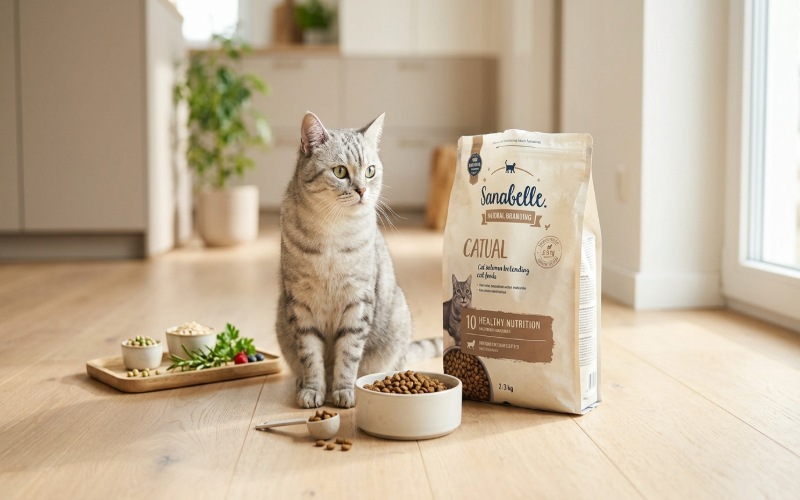
Choosing the right food for your cat can be tricky, especially when there are many recipes to compare. Sanabelle Cat Food includes options for kittens, adult cats, senior cats, and cats with specific needs. The range also includes different recipes based on ingredients, nutrition, and lifestyle.
In this guide, we’ll look closely at Sanabelle cat food ingredients, key nutrients, and the main food types. You’ll also learn how the Life and Care ranges differ, which recipes may suit different cats, and how to use feeding guidelines correctly.
For cat owners in Pakistan, it’s useful to check the exact recipe before buying. Ingredients and feeding amounts can vary between products. By the end of this guide, you’ll have a clearer way to compare the range and choose a recipe that fits your cat’s age, activity, and daily needs.
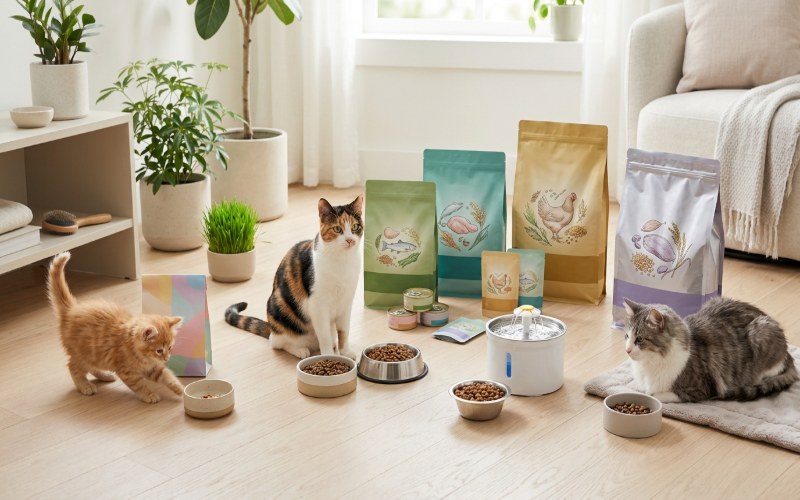
Sanabelle isn’t one single recipe. Its range is divided into different product groups, with each one serving a different purpose. Looking at these groups first can make the product list much easier to understand.
Sanabelle Life cat food covers recipes made for different stages of a cat’s life. The range includes food for kittens, adult cats, and senior cats. This gives owners options that are linked to the cat’s stage instead of treating every age in the same way.
The recipes can also differ in their main ingredients and added nutrients. Some include fresh animal ingredients, while others use ingredients such as berries or selected cereals. The exact details depend on the individual product.
Sanabelle Care cat food takes a more targeted approach. Its recipes include options made around needs such as sterilisation, sensitive digestion, urinary support, dental care, and hair and skin care.
The purpose of these foods is different from simply choosing a standard recipe. For example, a sterilised formula may be designed with weight control in mind, while a dental recipe may focus on the way the food is eaten. Cats with diagnosed health problems should still have their diet discussed with a vet.
There can be clear differences between individual Sanabelle products. Some Sanabelle cat food recipes are grain-free, while others contain selected cereals. Protein sources, fat levels, fibre, and other ingredients can also change from one formula to another.
Because of this, it’s better to check the individual product rather than assume the whole range has the same recipe. The product label can tell you what ingredients and nutritional values apply to the food you’re considering.
| Range | Main Focus | Examples |
| Sanabelle Life | Life-stage feeding | Kitten, adult, senior |
| Sanabelle Care | Specific needs | Sterilised, sensitive, urinary, dental |
| Individual recipes | Different nutritional profiles | Grain-free and cereal-containing options |
Cats don’t need the same type of nutrition throughout their lives. Their energy needs, growth rate, activity, and body condition can change with age. Feeding an age-appropriate recipe can help provide nutrients that fit each stage.
Sanabelle kitten food can be considered when a young cat needs nutrition suited to growth. Kittens use more energy as they develop, and their food needs to support growing muscles, bones, and other body tissues.
Protein is an important part of this stage. Kittens also need a suitable balance of essential nutrients, vitamins, and minerals. Giving them a food made for growth is generally more suitable than relying on an adult recipe.
Small kittens also have smaller stomachs, so their daily food may need to be divided into several meals. Fresh water should always be available.
Sanabelle adult cat food is intended for cats that have finished growing. Once a cat reaches adulthood, its food needs are more about maintaining a healthy body and supporting normal daily activity.
An active cat may use more energy than one that spends most of the day sleeping. This is why the feeding amount shouldn’t be based on age alone. Weight, body shape, exercise, and lifestyle all matter.
Keep an eye on your cat’s body condition as well. A gradual increase in weight can be easy to miss, especially when meals are not measured.
Sanabelle senior cat food can be useful for older cats whose nutritional needs may change over time. Senior cats often become less active, which can lower their daily energy needs.
Age can also bring changes in appetite, digestion, weight, and general behaviour. Regular checks can help you spot these changes instead of assuming they’re simply part of getting older.
If an older cat has a sudden change in eating, weight, thirst, or digestion, it’s better to speak with a vet. A senior diet should support the cat’s needs, but it shouldn’t replace proper medical care.
Not every cat has the same daily challenges. Some may have a sensitive digestive system, while others need closer control of their food intake after sterilisation. There are also recipes that focus on areas such as urinary function, dental care, or the condition of the coat.
Sanabelle cat food for sensitive stomach is intended for cats that may not handle every recipe equally well. For these cats, it’s useful to look at how the complete recipe is made rather than judging it from one ingredient.
A steady feeding routine can also help. Introduce any new food slowly and watch for changes in stool, appetite, or behaviour. This can give you a clearer idea of how your cat responds to the recipe.
Digestive problems shouldn’t always be blamed on food. If vomiting, diarrhoea, poor appetite, or weight loss continues, a vet should check the cat before further diet changes are made.
Sanabelle sterilised cat food is intended for cats whose food intake may need closer attention after sterilisation. Some cats become less active after the procedure, which can make excess weight easier to gain.
The daily portion is just as important as the recipe. Measure meals rather than filling the bowl by eye, and remember that treats add extra calories. Checking your cat’s body shape regularly can also help you notice gradual weight gain.
A suitable food can make weight control easier, but it works best alongside sensible portions and regular movement.
Sanabelle also includes recipes aimed at particular areas of cat care. Sanabelle urinary cat food is intended to provide nutritional support for urinary needs. Dental recipes focus on oral care, while hair and skin options are aimed at maintaining a healthy-looking coat.
These purposes shouldn’t be mixed together. A dental-focused recipe isn’t designed to solve every dietary concern, and a urinary-focused food shouldn’t be chosen simply because a cat has a different problem.
| Sanabelle Care Option | Main Purpose | Key Point |
| Sterilised | Weight control | Portion size still matters |
| Sensitive or Gastrointestinal | Digestive care | Monitor how the cat responds |
| Urinary | Urinary nutrition | Best matched to the cat’s needs |
| Dental | Oral care | Supports a dental care routine |
| Hair and Skin | Coat care | Works alongside overall nutrition |
If a cat has a diagnosed health condition, specialised food should be chosen with proper veterinary guidance. Food can support a care plan, but it shouldn’t replace medical treatment.
The ingredient label is one of the best places to start when comparing cat food. It shows what goes into the recipe and gives useful numbers about its nutritional makeup. Since Sanabelle has different recipes, these details can change from one product to another.
Sanabelle cat food ingredients can include different animal sources depending on the recipe. Fresh poultry, for example, is used in some products, while other recipes use different meat or fish ingredients.
Protein is especially important in a cat’s diet because it helps maintain muscles and supports normal body functions. However, a higher protein number doesn’t automatically make one food better than another. It’s also important to consider where that protein comes from and what other ingredients are included.
This means you shouldn’t judge the whole Sanabelle range from a single recipe. Always check the label of the exact product you’re buying.
Sanabelle cat food taurine is an important point to check because cats need taurine as part of their diet. It supports normal vision, heart function, and other important body processes.
Fats provide energy and can supply essential fatty acids. These fats also play a role in maintaining normal skin and coat condition. Fibre has a different purpose and can help support healthy digestion.
The label may also list vitamins and minerals added to the recipe. Looking at these nutrients together gives you a better picture than focusing on one number alone.
When reading Sanabelle cat food protein levels, don’t stop at the percentage shown on the packet. Start with the ingredient list, then look at the analytical constituents. These may include protein, fat, fibre, and ash.
Ingredients are generally listed by weight when they are added to the recipe. This makes the first part of the list useful when you want to see which ingredients are present in larger amounts.
It’s also worth checking whether the product is a complete food and reading the feeding information for that specific recipe. Two foods from the same brand can have different ingredients and nutritional values.
| Label Area | What It Tells You |
| Ingredient list | Main ingredients used in the recipe |
| Protein | Amount of crude protein |
| Fat | Fat level and energy source |
| Fibre | Fibre content of the food |
| Taurine | Important nutrient for cats |
| Analytical constituents | Measured nutrient levels |
Feeding instructions are useful, but they work best when you use them as a starting point. A measured portion gives you a better idea of how much your cat is eating each day. This is more reliable than filling the bowl whenever it looks empty.
The Sanabelle feeding guide gives the recommended daily amount for the specific food you’re using. These instructions are based on the recipe, so you shouldn’t copy a portion from another Sanabelle product.
Use kitchen scales when possible. Measuring food by weight is more accurate than using a cup or guessing by eye. If you change to another recipe, check its feeding instructions again rather than keeping the old portion.
It’s also useful to split the daily amount into smaller meals if your cat prefers eating little and often.
The amount printed on the packet isn’t always the perfect amount for every cat. Watch your cat’s weight and body shape over time. If your cat is slowly gaining weight, the daily portion may need a small adjustment.
Don’t make large changes at once. A small reduction or increase can be easier to manage while you watch how your cat responds.
Treats should also be included in the day’s total food intake. Giving several treats without adjusting meals can add more calories than you expect.
Cats eating Sanabelle dry cat food should have clean, fresh water available throughout the day. Keep the water bowl clean and place it somewhere your cat can reach easily.
A regular feeding routine can also make portions easier to control. Some cats do well with two measured meals, while others prefer several smaller meals.
If you’re combining wet and dry food, count both towards the daily intake. Adding a full serving of wet food without reducing the dry food can result in overfeeding.
The following Sanabelle cat food feeding amounts are an example from a specific recipe. They aren’t a standard guide for every Sanabelle product.
| Cat Weight | Example Daily Amount |
| 2 to 3 kg | 40 to 55 g |
| 4 to 5 kg | 65 to 75 g |
| 6 to 7 kg | 85 to 95 g |
| 8 kg | Around 105 g |
Always check the instructions on your own pack before using these amounts. If your cat’s weight or eating habits change, review the portion rather than continuing with the same amount automatically.
There isn’t one Sanabelle recipe that will suit every cat. The best choice depends on your cat’s age, daily routine, body condition, and any specific needs. A useful Sanabelle cat food review should therefore look at the exact product rather than judge the whole range from one recipe.
Before buying, take a few minutes to check the label. Look at the Sanabelle cat food ingredients, nutritional information, and feeding instructions for that particular product. This can help you avoid choosing a food simply because its name sounds suitable.
It’s also worth watching how your cat responds after a food change. Appetite, weight, stool, and general behaviour can all give you useful clues. Introduce a new recipe gradually instead of changing food suddenly.
If you’re comparing available options, Petalicious Store can be one place to check the products on offer. Most importantly, choose based on your cat’s actual needs and follow professional advice when a health concern is involved.